A group of living things
Eudicots
Eudicotyledoneae
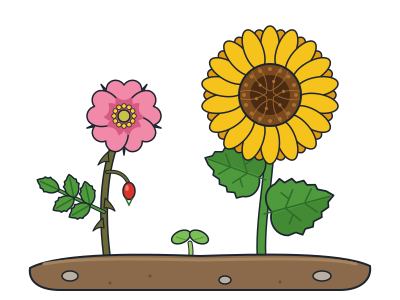
Roses, beans and sunflowers all belong to this one huge branch.
This branch is shown at about 130 million years ago; its age is a rough estimate.
You and eudicots meet in the Eukaryotes branch, shown at about 1.8 billion years ago (on 28 July, in a calendar from life's shared ancestor to today).
Walk through a garden or a vegetable patch, and many of the flowering plants you see belong to this one enormous branch. Roses, beans, sunflowers, tomatoes, potatoes, apples and cacti are all relatives here. Together they make up about seven in every ten kinds of flowering plant.
Most of them sprout with two seed leaves, the first little pair of leaves on a seedling. But that is not what makes the group. Water lilies and magnolias also have two seed leaves, yet they sit outside this branch. The real family badge is tiny. Their pollen grains have three grooves running from end to end, or a changed shape that evolved from that three-grooved kind. Grasses, lilies and other monocots usually have pollen with just one opening.
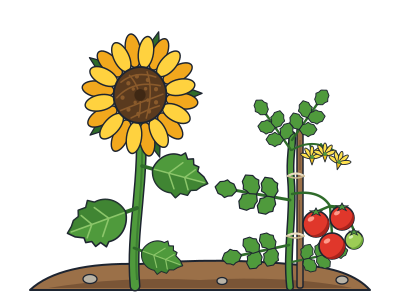
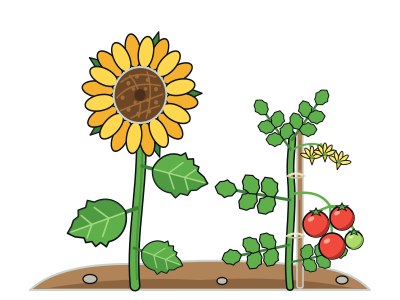
Many members also have net-like leaf veins, flower parts in fours or fives and a main taproot, but not every member follows these rules. Most wild roses show the pattern well, with five petals and five sepals. A sunflower is sneakier. What looks like one flower is really a head packed with many tiny flowers. Each little flower in the middle has five petals joined into a tube.
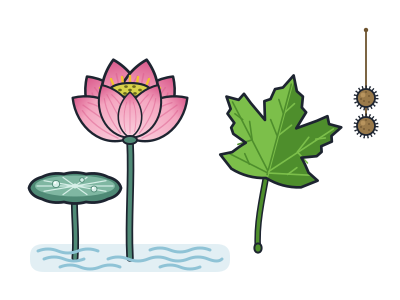
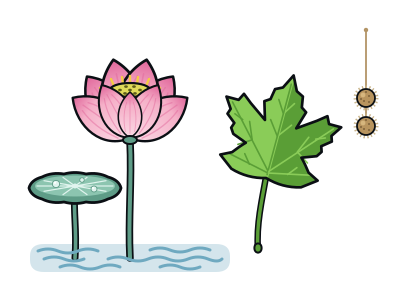
The branch has a few early offshoots, such as buttercups and the sacred lotus. The lotus looks like a water lily, but its closest living relatives are plane trees and proteas.
Giant of the family
The mountain ash, a eucalypt from Tasmania and Victoria, is the tallest flowering plant in the world. Some living trees are just under 100 metres tall, about as tall as a 30-storey building.
Facing the morning
Young sunflower buds follow the sun, but grown flower heads stop moving and usually face east. The morning sun warms them, which helps attract pollinators.
Ancient pollen
The oldest known pollen from this group was found in rocks in Portugal. It is about 123 million years old, from the time of the dinosaurs.
Inside eudicots
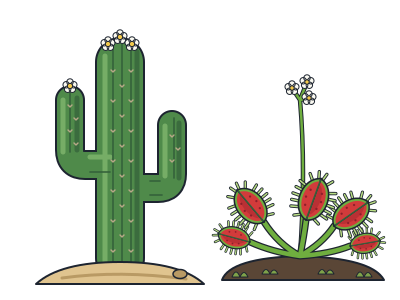
- Cacti, carnations and carnivoresOne branch holds cacti, beetroot and carnations, and also most meat-eating plants.
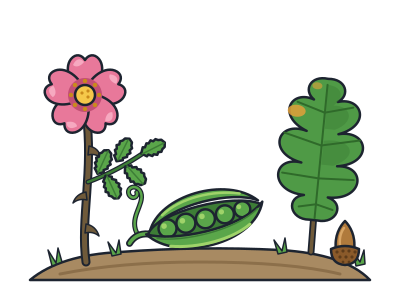
- RosidsA vast branch of eudicots including roses, beans, oaks, cabbages and eucalyptus.
- AsteridsSunflowers, tomatoes, mint and coffee all belong to this big branch.
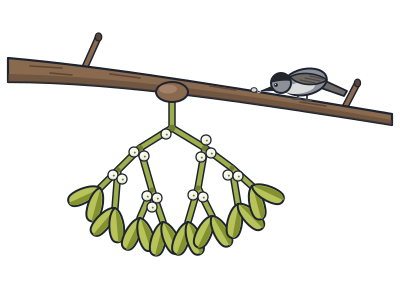
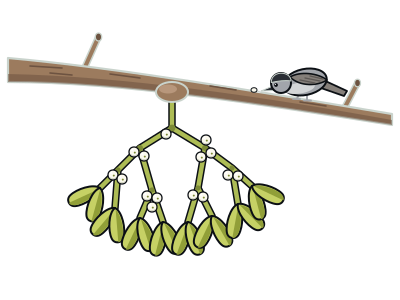
- MistletoeA half-parasite that grows on tree branches, planted there by birds wiping their beaks.
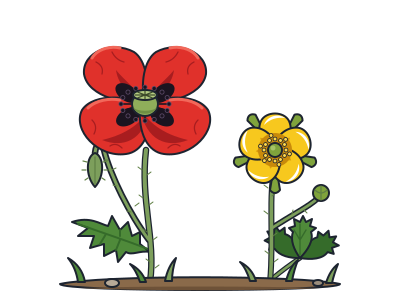
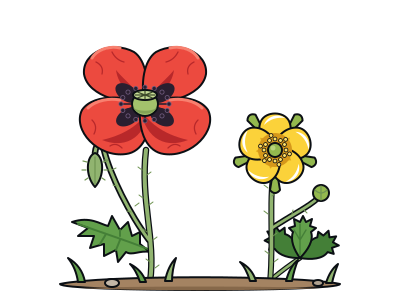
- Buttercups and poppiesThe earliest branch of the eudicots, with buttercups, poppies and columbines.
- Lotuses, proteas and planesA water lotus, a South African protea and a city plane tree turn out to be cousins.
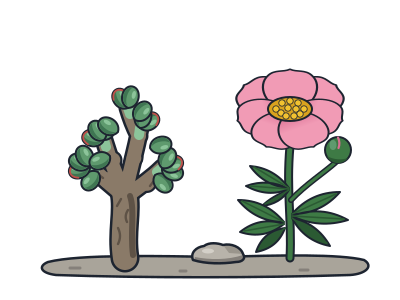
- Stonecrops and peoniesJade plants, peonies and currants: a branch rich in succulents and rock plants.
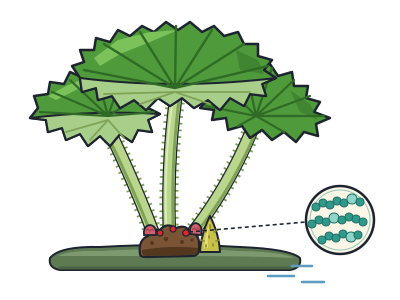
- Giant rhubarbLeaves big enough to shelter under, with partner microbes living in its stems.
Next to it on the tree
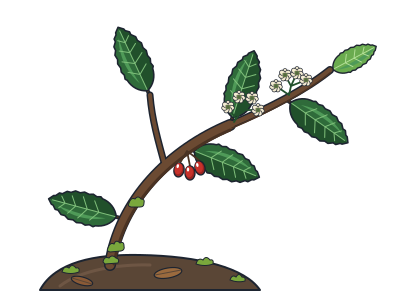
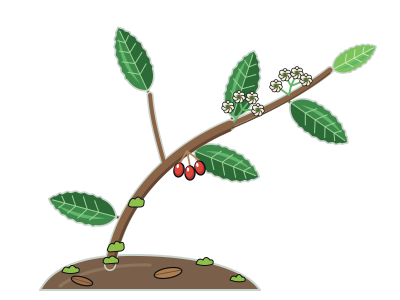
- AmborellaA shrub found only in New Caledonia: the sister of every other flowering plant.
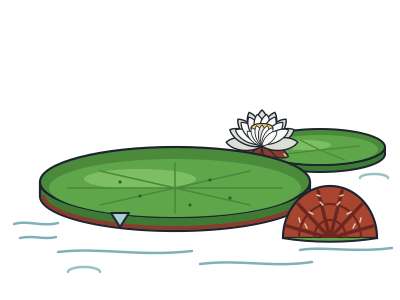
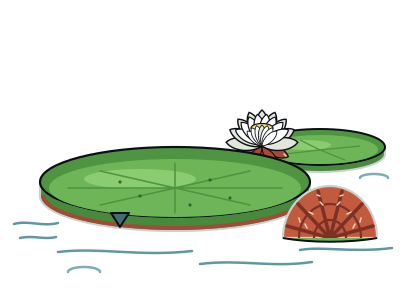
- Giant water lilyLily pads strong enough to hold a small child, from one of the oldest flower lineages.
- ArchaefructusA 125-million-year-old water plant from China with some of the earliest known flowers.
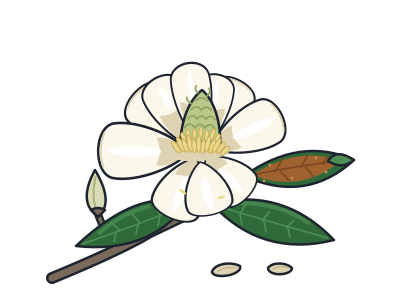
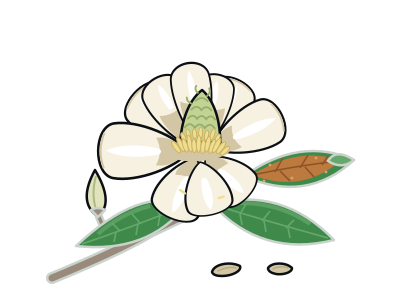
- Magnolias and kinBig, simple flowers and aromatic trees, including spices and avocados.
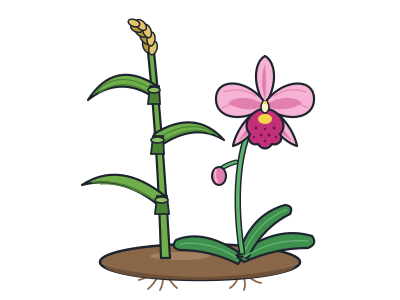
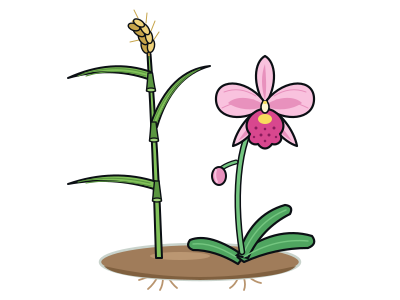
- MonocotsPlants that sprout one seed-leaf, from grasses and orchids to palms and bananas.
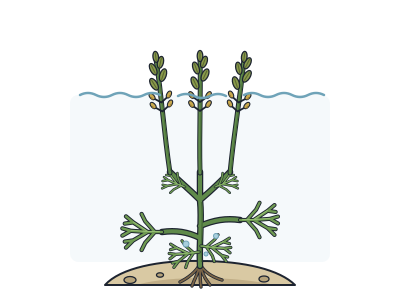
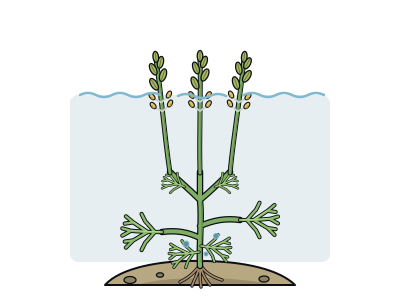
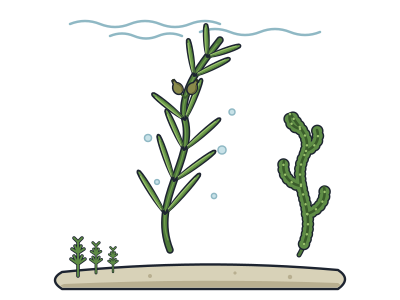
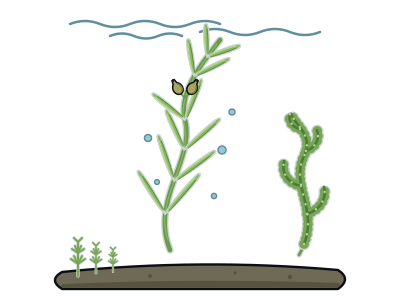
- MontsechiaA 130-million-year-old underwater flowering plant from Spain, among the oldest known.
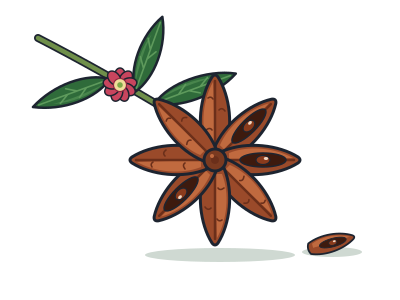
- Star aniseA spice shaped like an eight-pointed star, from one of the oldest flowering-plant branches.