A group of living things
Lotuses, proteas and planes
Proteales
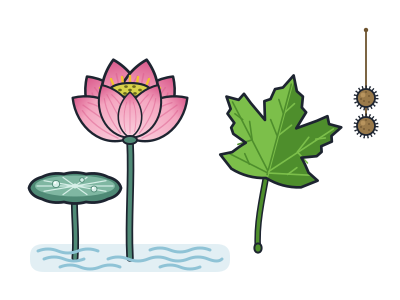
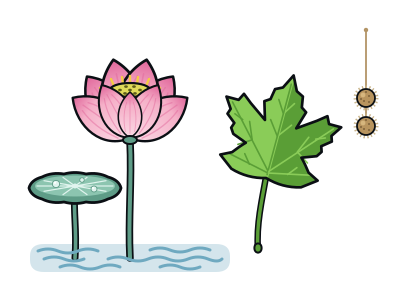
A pond lotus, a spiky protea and a street tree, all in one plant group
This branch is shown at about 115 million years ago; its age is a rough estimate.
You and lotuses, proteas and planes meet in the Eukaryotes branch, shown at about 1.8 billion years ago (on 28 July, in a calendar from life's shared ancestor to today).
A pink lotus in a pond, a king protea from South Africa and a plane tree on a city street look nothing alike. Yet they are cousins in one group of flowering plants, which also includes Australian banksias. Scientists put them together mainly because of DNA. No one has yet found a clear body feature that all of them share.
The lotus is the biggest surprise. For a long time it was grouped with water lilies because the two look so alike. DNA showed that the likeness evolved separately, and that the lotus is actually closer to plane trees and proteas. Within this group, plane trees and the protea family are each other's closest relatives. The lotus is a more distant member.
In the wild, these cousins mostly live on opposite halves of the globe. The protea family grows mainly in the Southern Hemisphere, while wild plane trees and lotuses are Northern Hemisphere plants. They also come in very different sizes. A London plane can grow about 20 to 40 metres tall, and the tallest are higher than a ten-storey building. It copes with polluted air and packed-down soil, so people plant it along city streets in places with warm summers and cool winters all over the world.
Nuts from the family
Macadamia nuts come from a member of this group. That makes them relatives of proteas, banksias and plane trees.
Only two lotuses
There are only two living kinds of lotus: the sacred lotus of Asia and the American lotus of North America.
A tree made by crossing
The London plane is a cross between the oriental plane and the American sycamore. It arose in the 1600s, probably in Spain or southern France.
Inside lotuses, proteas and planes
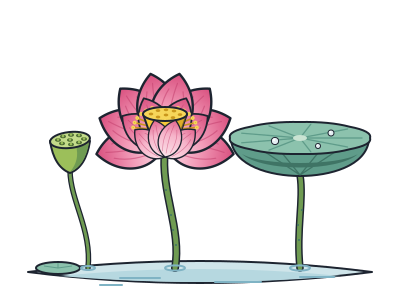
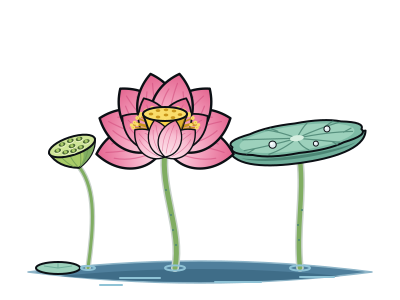
- Sacred lotusLooks like a water lily but is actually closer to plane trees; its seeds can sprout after 1,300 years.
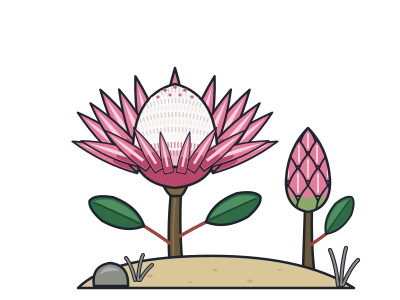
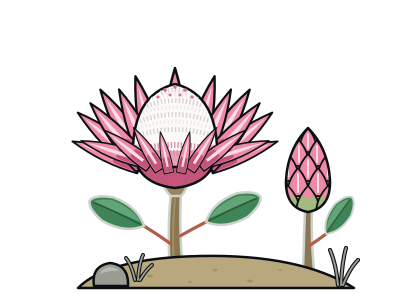
- King proteaA giant artichoke-like flower and South Africa's national flower, a cousin of the lotus.
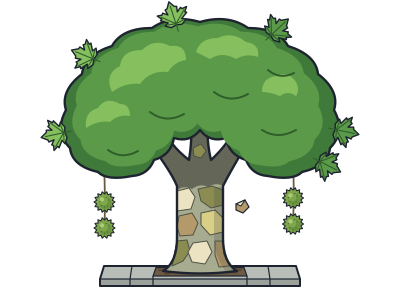
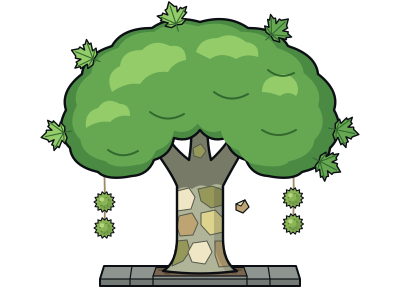
- London planeA tough city tree that sheds its bark in jigsaw patches and shrugs off pollution.
Next to it on the tree
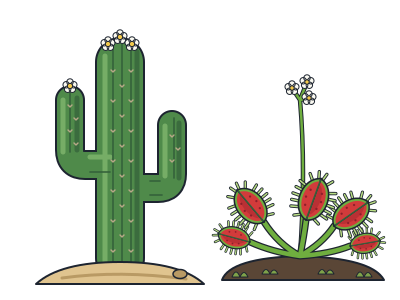
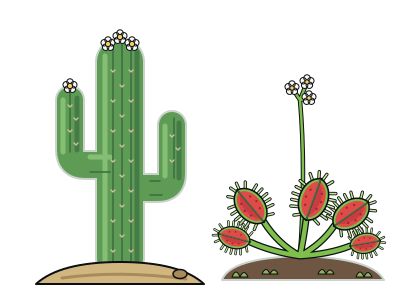
- Cacti, carnations and carnivoresOne branch holds cacti, beetroot and carnations, and also most meat-eating plants.
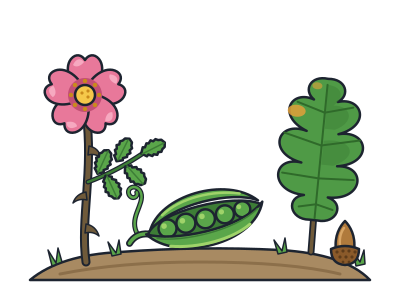
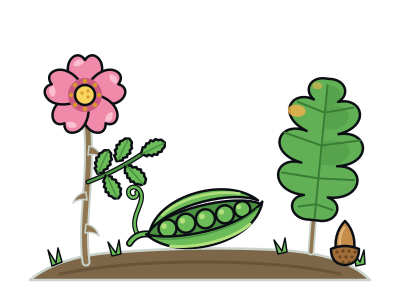
- RosidsA vast branch of eudicots including roses, beans, oaks, cabbages and eucalyptus.
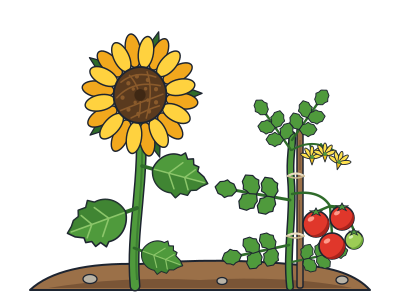
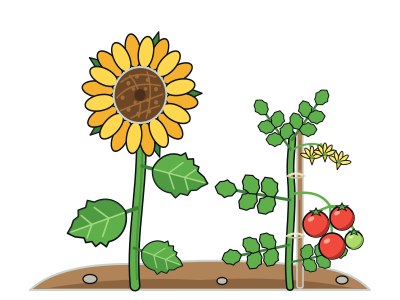
- AsteridsSunflowers, tomatoes, mint and coffee all belong to this big branch.
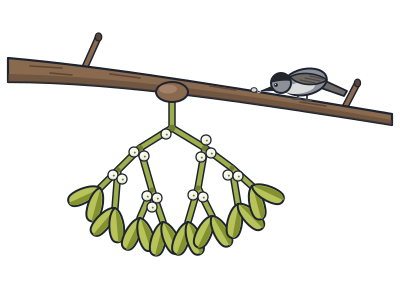
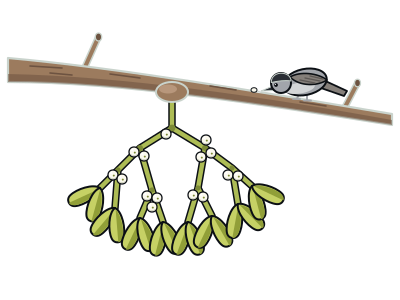
- MistletoeA half-parasite that grows on tree branches, planted there by birds wiping their beaks.
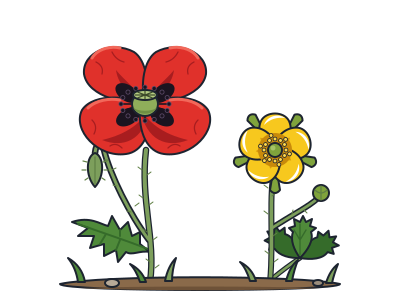
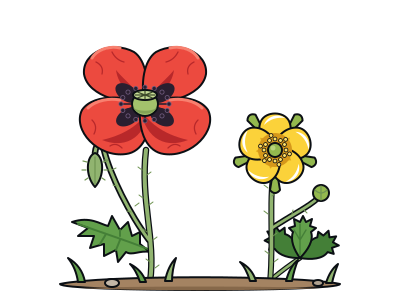
- Buttercups and poppiesThe earliest branch of the eudicots, with buttercups, poppies and columbines.
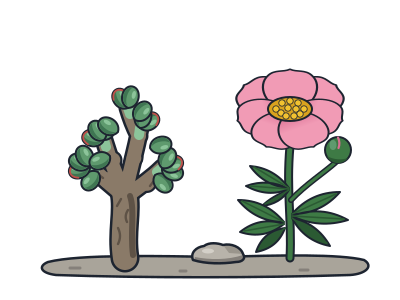
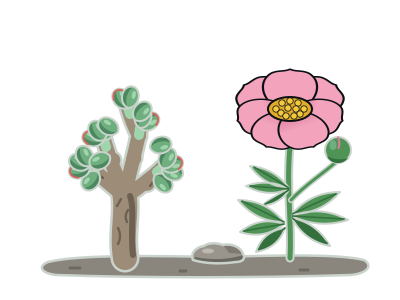
- Stonecrops and peoniesJade plants, peonies and currants: a branch rich in succulents and rock plants.
- Giant rhubarbLeaves big enough to shelter under, with partner microbes living in its stems.