A group of living things
Starfish, sea squirts and us
Deuterostomia
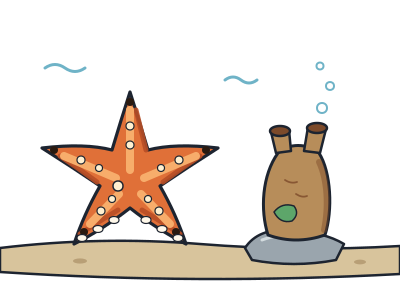
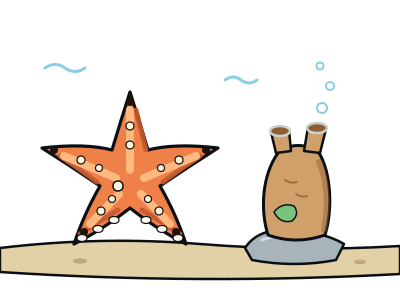
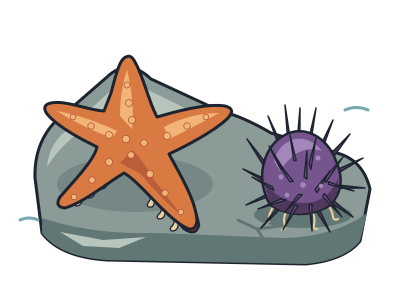
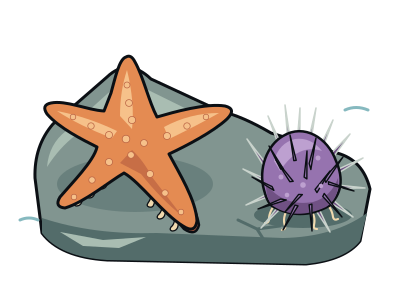
A starfish is a closer cousin to you than any insect.
This branch is shown at about 560 million years ago; its age is a rough estimate.
You are part of this group. See how.
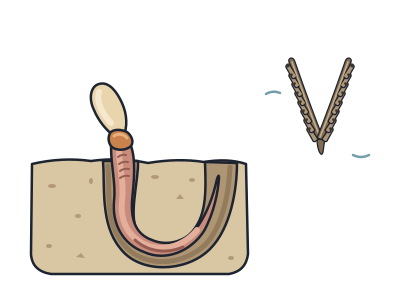
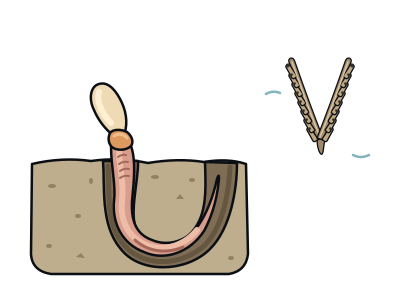
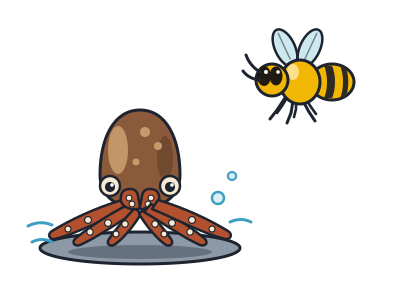
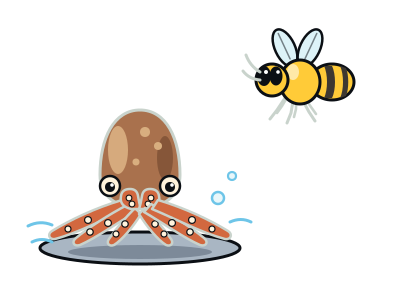
You are looking at your own branch of the tree of life. A starfish in a rockpool is a closer relative of yours than any insect or octopus. Two-sided animals include two great groups. This group includes starfish and sea squirts as well as people. The other holds mouth-first animals such as bees, octopuses and earthworms.
One thing that links you to a starfish is how bodies first form. In this group the first opening in the tiny embryo usually becomes the back passage, and the mouth forms second. Adult shapes look very different. A starfish is a flat star with arms and no head. Many sea squirts are leathery bags fixed to hard surfaces.
Almost all members without backbones live in the sea, from rockpools to the deep ocean. Only the backboned members of the group have spread to fresh water, land and air. Sizes run from tiny sea creatures to the blue whale, about as long as two to three buses parked end to end.
Grows its arms back
Many starfish can regrow a lost arm in up to about a year. Some kinds can even heal fully if one arm and about a fifth of the middle disc stay together.
Light spots on each arm tip
In most starfish, each arm ends in a tiny spot that senses light. Some kinds move towards the light and others move away from it.
A sea squirt that squirts
The cunjevoi grows to about 30 centimetres, about as long as a school ruler. It squirts out a jet of water when squeezed or stepped on at low tide.
Inside starfish, sea squirts and us
- ChordatesAnimals with a stiff rod down the back at some stage of life: the blueprint of a backbone.
- EchinodermsSpiny-skinned sea animals built in fives, with no brain and water plumbing that works their feet.
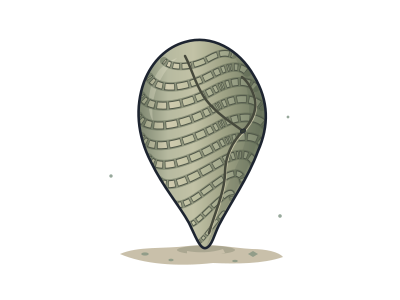
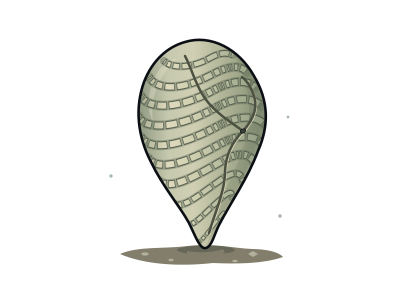
- HelicoplacusA small Cambrian relative of starfish with spiral plates and three feeding tracks inside its body wall.
- Acorn worms and kinSeabed worms and tiny colonies with gill slits like ours, closer kin of starfish than of us.
Next to it on the tree
- Mouth-first animalsInsects, snails, worms and octopuses: most animal species alive are on this branch.
- KimberellaA slug-like Ediacaran grazer that left scratch marks as it fed on microbial mats.
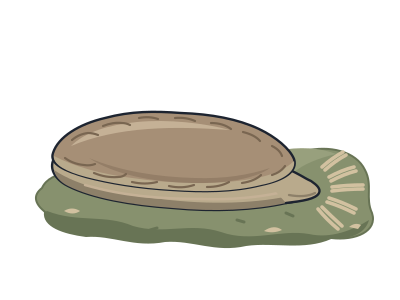
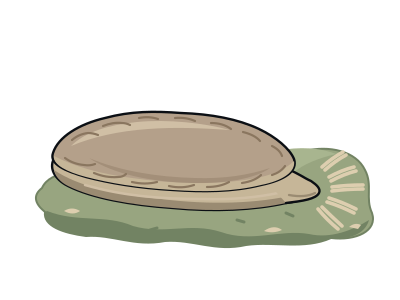
- IkariaA rice-grain-sized burrower that may be the oldest known two-sided animal.
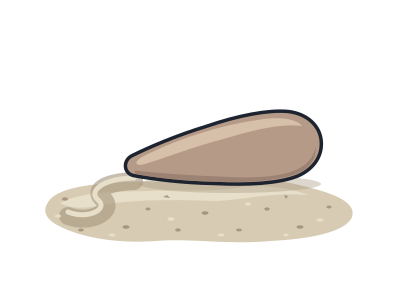
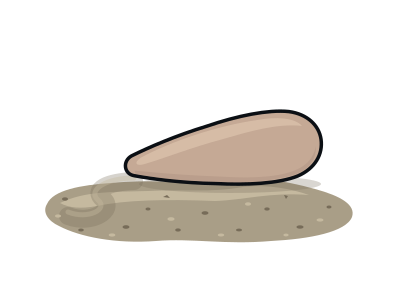
- Xenacoelomorph wormsSimple soft worms with no anus and barely a brain, whose place near the root of two-sided animals is still argued.