A group of living things
Acorn worms and kin
Hemichordata
Worm-shaped relatives of starfish, with a link to our throats
This branch is shown at about 510 million years ago; its age is a rough estimate.
You and acorn worms and kin meet in the Starfish, sea squirts and us branch, shown at about 560 million years ago (on 13 November, in a calendar from life's shared ancestor to today).
These seabed worms and tiny colony-builders are closer kin to starfish and sea urchins than to us. Yet acorn worms have gill slits with a surprising connection to our own throats. They share genes involved in building this body region with humans and other backboned animals. That does not mean humans have working gills. Nor does every member of this family have gill slits.
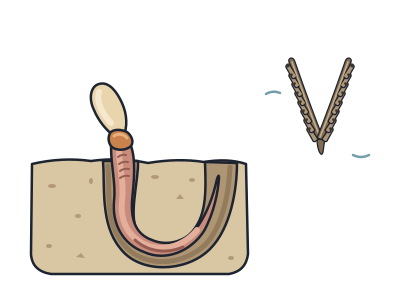
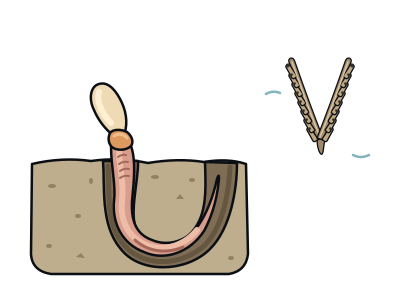
The two main living branches look very different. Acorn worms live alone. Their bodies have a fleshy front end, a short collar and a long trunk. Many burrow through seabed mud or sand, collecting food particles with sticky mucus on their front end. The other branch contains tiny tube-dwellers that catch particles from seawater using tentacled feeding arms.
The fossil graptolite colony pictured here shows another version of family life: many small animals sharing connected tubes, rather than one branching worm. Some colonies had two branches shaped like a tuning fork. Their fossils often look like shiny pencil marks on rock, preserving the colony’s housing.
A fresh front end
Some acorn worms can regrow their entire front projection and collar from a surviving piece of trunk.
Growing a colony
Living tube-dwelling colonies can expand by budding: an existing animal produces a new individual without a fertilised egg.
Clues to a rock’s age
Graptolite fossils help geologists date rocks because many species changed rapidly and can be recognised in widely separated places.
Inside acorn worms and kin
- Acorn wormA soft worm with an acorn-shaped snout and gill slits: a living clue to how our throat began.
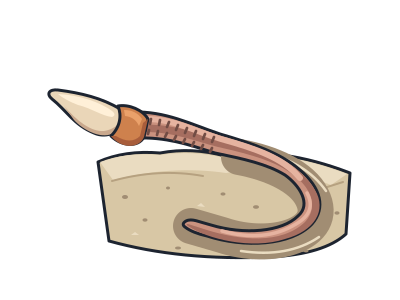
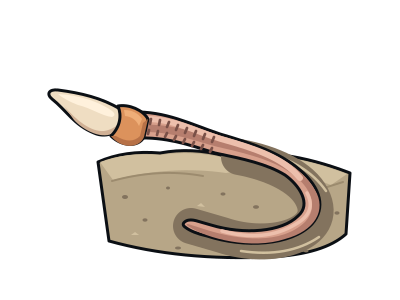
- GraptolitesDrifting colonies that look like pencil marks on rock, so common they are used to date it.
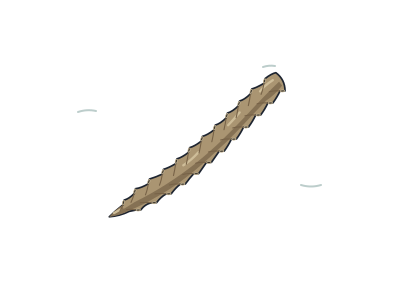
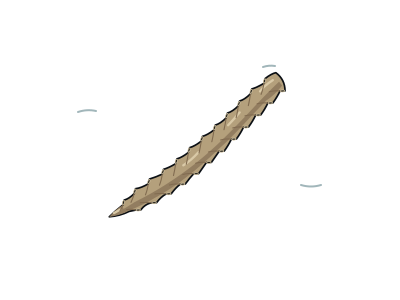
- RhabdopleuraTiny tube-building animals that turn out to be living graptolites, a group thought long extinct.
Next to it on the tree
- ChordatesAnimals with a stiff rod down the back at some stage of life: the blueprint of a backbone.
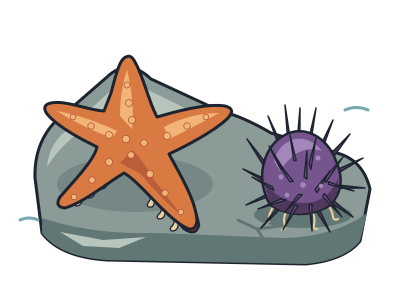
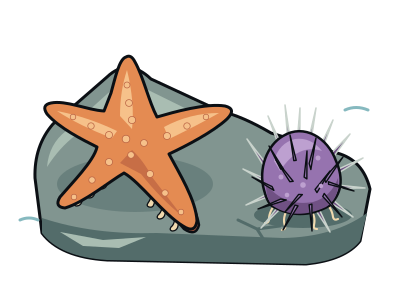
- EchinodermsSpiny-skinned sea animals built in fives, with no brain and water plumbing that works their feet.
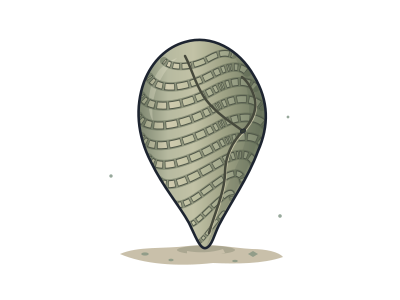
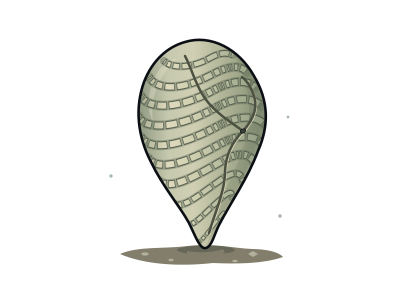
- HelicoplacusA small Cambrian relative of starfish with spiral plates and three feeding tracks inside its body wall.