A species
Common poppy
Papaver rhoeas
A red flower that waits underground for the soil to be turned
You and the common poppy meet in the Eukaryotes branch, shown at about 1.8 billion years ago (on 28 July, in a calendar from life's shared ancestor to today).
The common poppy knows how to wait. Each plant sheds huge numbers of tiny seeds, and many stay buried in the soil. This store of buried seeds is called a seed bank. The seeds can stay alive there for years, and botanists think some last for decades. When the ground is dug or ploughed, the seeds sprout. That is why red poppies suddenly appear on building sites, waste ground and freshly turned fields.
This habit made the poppy famous. In the First World War, fighting churned up the soil on battlefields and buried seeds burst into flower. After John McCrae's poem 'In Flanders Fields', wearing poppies to remember soldiers who died became a custom in Britain, Australia and other Commonwealth countries.
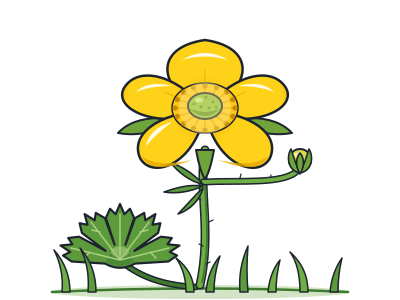
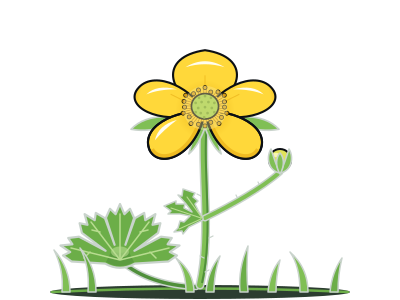
On the tree, the poppy sits in the buttercups and poppies branch, next to the meadow buttercup. A scarlet poppy and a yellow buttercup look very different, but they are relatives in the same larger group of flowering plants.
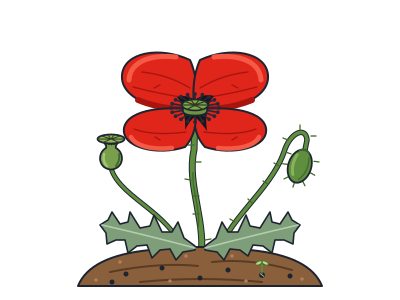
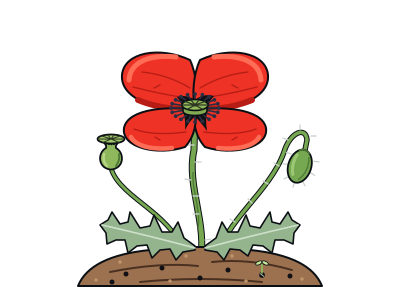
The common poppy lives for only one year and grows up to about 70 to 80 cm tall. Its four thin, silky red petals often have a black spot at the base. Weedkillers have nearly wiped it out of farm fields in some areas, so today it is found mostly on roadsides and disturbed ground.
Here today, gone tomorrow
Each flower lasts only one day, but in a warm season a single plant can open up to about 400 flowers, one after another.
Seeds like dust
The seeds are so small that about 10,000 of them weigh just one gram. A big, healthy plant can carry hundreds of seed pods, and each pod can hold more than 1,000 seeds.
A hidden signal for bees
Bees barely see red, if at all. In Central Europe, poppy petals also reflect ultraviolet light, which bees can see. That helps bees find the flowers.