A group of living things
Stonecrops and peonies
Saxifragales
Jade plants, peonies and currants: a branch rich in succulents and rock plants
This branch is shown at about 100 million years ago; its age is a rough estimate.
You and stonecrops and peonies meet in the Eukaryotes branch, shown at about 1.8 billion years ago (on 28 July, in a calendar from life's shared ancestor to today).
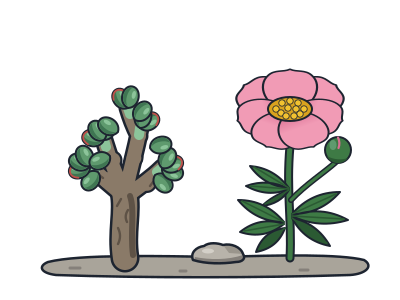
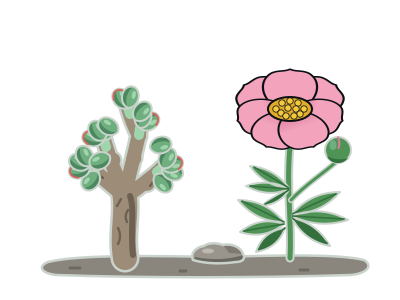
A jade plant on a windowsill, a pink peony in a vase and a currant bush in a fruit garden look as if they have nothing in common. Yet all three sit on the same branch of flowering plants. Other members include stonecrops, saxifrages, gooseberries, witch hazel and sweetgum trees.
The plants on this branch look very different from one another. There are trees, shrubs, garden flowers, succulents and even water plants. Scientists recognise the group mainly from DNA, not from shared looks. Peonies were long placed in the buttercup family because they look similar, but DNA studies showed that they belong here instead.
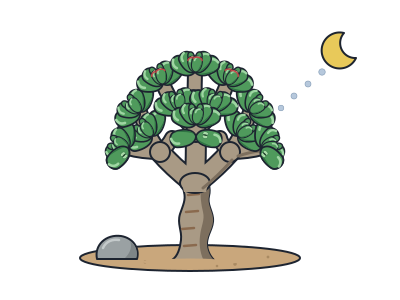
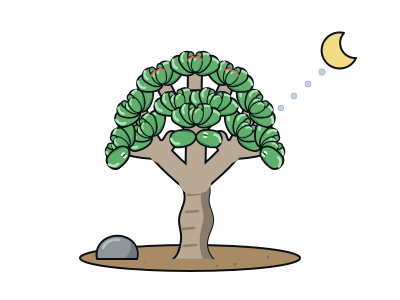
Plenty of members are tough plants of dry ground and rock. The stonecrop family alone has over 1,800 species, including the jade plant. To save water, a jade plant keeps its leaf pores shut in the heat of the day. It opens them at night to take in carbon dioxide, a gas it needs to make food. Saxifrage means 'stone-breaker', probably from an old use as a remedy for kidney stones. The plants do not really break rock. Many grow in existing rock cracks, as high as about 4,000 metres in the Alps.
The group grows around the world, mostly in cool to warm regions. It rarely grows wild in the tropics.
A plant from a single leaf
A new jade plant can grow from a broken-off piece of stem, or even from one fallen leaf. In the wild, this is how new plants spring up around the parent.
Short flowers, long life
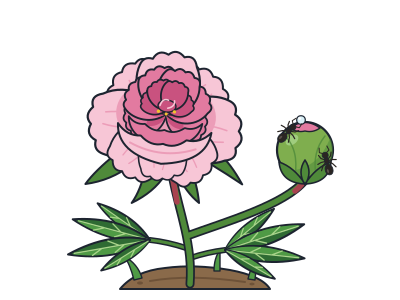
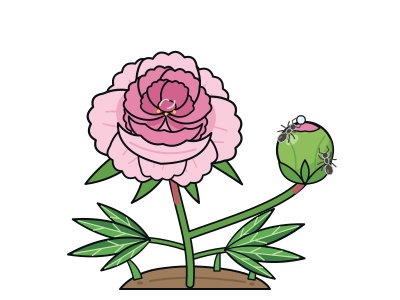
Each peony flower lasts only about 7 to 10 days, but an established plant can flower every year for decades.
An Arctic emblem
Purple saxifrage grows in the Arctic. It is the official flower of Nunavut in Canada and of County Londonderry in Northern Ireland.
Inside stonecrops and peonies
Next to it on the tree
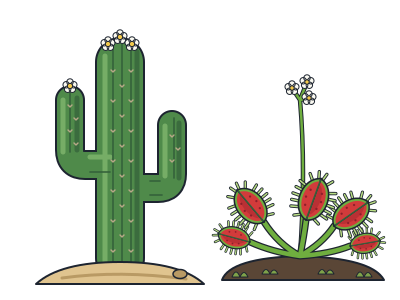
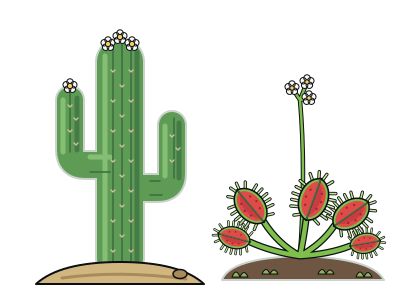
- Cacti, carnations and carnivoresOne branch holds cacti, beetroot and carnations, and also most meat-eating plants.
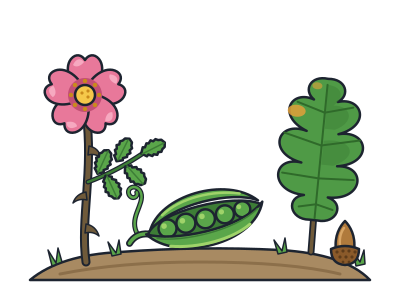
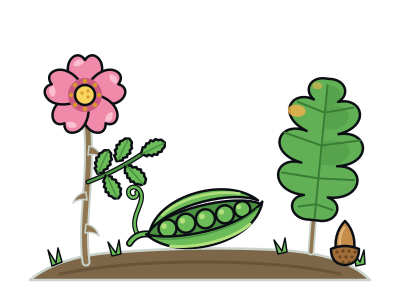
- RosidsA vast branch of eudicots including roses, beans, oaks, cabbages and eucalyptus.
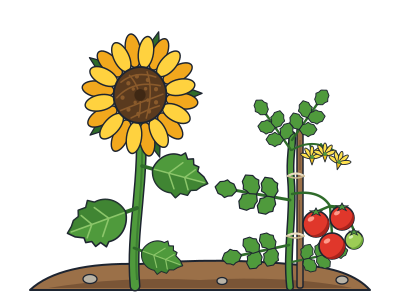
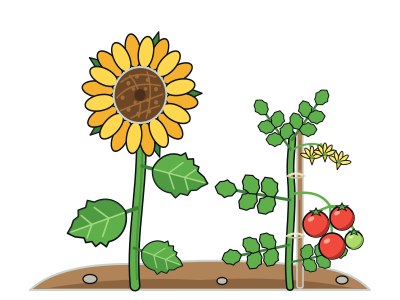
- AsteridsSunflowers, tomatoes, mint and coffee all belong to this big branch.
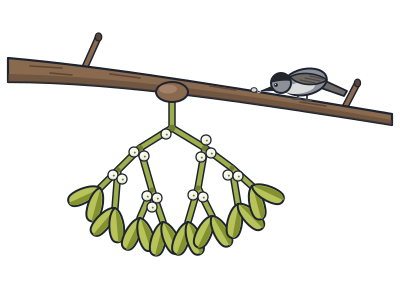
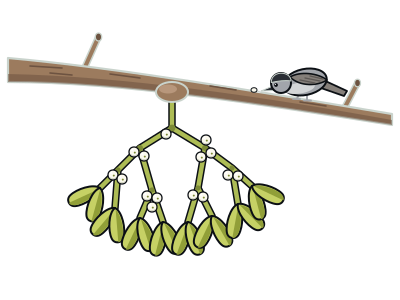
- MistletoeA half-parasite that grows on tree branches, planted there by birds wiping their beaks.
- Buttercups and poppiesThe earliest branch of the eudicots, with buttercups, poppies and columbines.


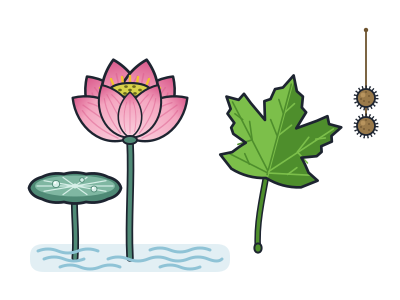
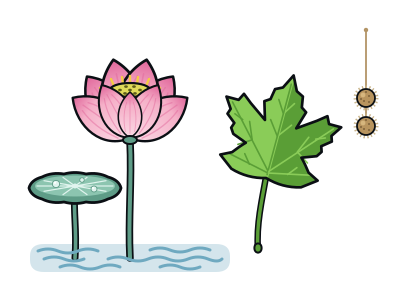
- Lotuses, proteas and planesA water lotus, a South African protea and a city plane tree turn out to be cousins.
- Giant rhubarbLeaves big enough to shelter under, with partner microbes living in its stems.