A species
Peony
Paeonia lactiflora
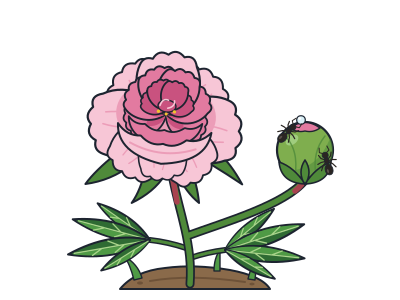
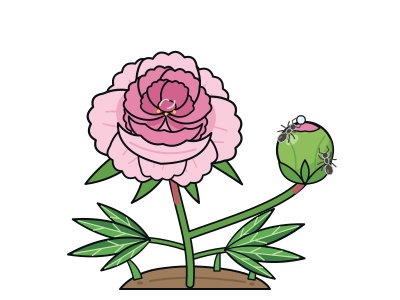
Huge ruffled flowers with sweet buds that ants love.
You and the peony meet in the Eukaryotes branch, shown at about 1.8 billion years ago (on 28 July, in a calendar from life's shared ancestor to today).
This peony has been grown in Chinese gardens for its flowers since about the 7th century. That's roughly 1,400 years. In China it is called the 'Minister of Flowers'. Its woody relative, the tree peony, gets the grander title 'King of Flowers'.
Before they open, the buds are firm, round balls, often dotted with shiny drops. The drops come from tiny sugar glands on the outside of the bud, and ants come to drink them. Many people believe ants are needed to open the flowers, but that's a myth. The buds open on time without them. Instead, the ants may act as bodyguards. In one test, a caterpillar was put near ants feeding on a bud, and they quickly chased it off the plant.
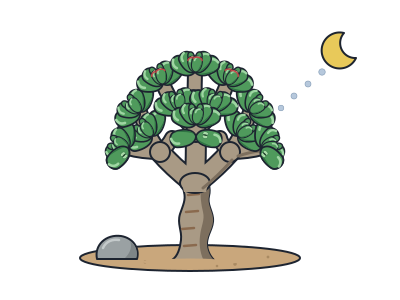
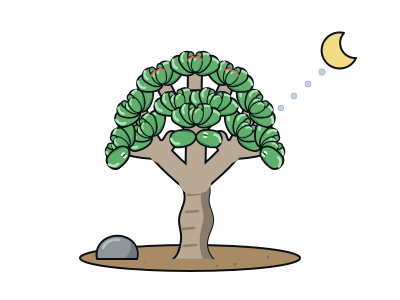
Peonies were once grouped with buttercups because their flowers look alike. DNA studies told a different story. They belong to the same large plant group as stonecrops and the jade plant, even though they look nothing alike.
In the wild, this peony grows in woods and grasslands in northern China, Mongolia, Korea, Japan and the Russian Far East. Wild flowers are white or pink, with a golden ring of stamens. In many garden kinds, called 'doubles', the stamens have turned into extra petals. That gives them their huge, ruffled pom-pom look.
Named for milk-white flowers
Its scientific name means 'with milk-white flowers'. It reached England in the mid-1700s and is the parent of most modern garden peonies.
A painter's favourite
In the late 1800s, famous painters such as Renoir, Van Gogh, Monet and Manet all painted peonies.
A goodbye gift
In China, people traditionally gave peonies when saying goodbye to a friend, as a promise to meet again.