A species
Jade plant
Crassula ovata
A plump-leaved succulent that breathes at night to save water.
You and the jade plant meet in the Eukaryotes branch, shown at about 1.8 billion years ago (on 28 July, in a calendar from life's shared ancestor to today).
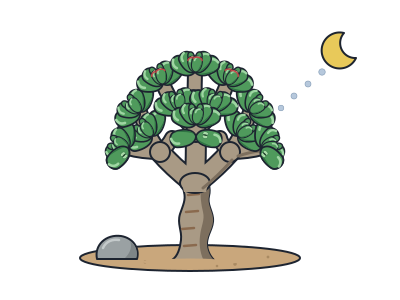
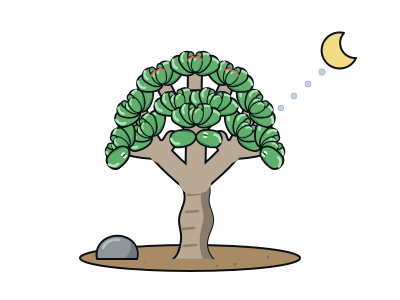
On a hot afternoon, a jade plant keeps its leaf pores shut tight. It opens them at night, when the air is cooler and damper, and takes in carbon dioxide. It stores this gas in its leaves as a sour acid. The next day, with its pores still closed, it uses sunlight to turn the stored gas into sugar.
This trick saves a lot of water. Ordinary plants can lose about 97% of the water their roots take up, mostly through open pores. Cacti and some ferns use the same night-time trick, but they evolved it separately. The jade plant is not a cactus, and it has no spines.
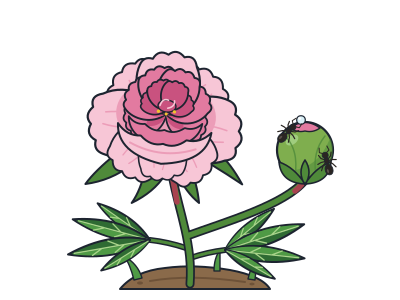
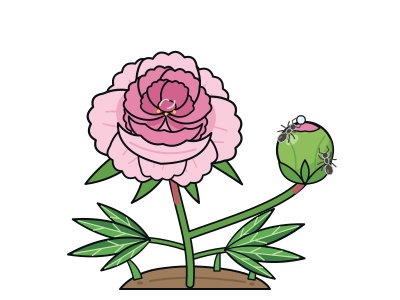
One of its surprising relatives is the peony, with its big, soft garden flowers. DNA studies put both plants in the same larger group, along with currants, gooseberries and witch-hazel. Before those studies, botanists had split these very different plants into three or four separate groups.
In the wild, the jade plant is a rounded succulent shrub on dry, rocky hillsides in South Africa and Mozambique. Its plump, glossy leaves are about thumb-sized and often have red edges in bright sun.
A leaf can become a plant
A single fallen leaf can grow roots and turn into a whole new jade plant. Roots start to appear about four weeks after the leaf drops off.
Holding its breath in drought
In a very bad drought, it can keep its pores shut even at night. It reuses the carbon dioxide already inside its cells. It stops growing but stays alive until the rain returns.
Sour in the morning
In 1812, the botanist Benjamin Heyne noticed that some leaves in India tasted sour in the morning and had no taste by the afternoon. It was an early clue that plants like this store acid overnight.