A group of living things
Cacti, carnations and carnivores
Caryophyllales
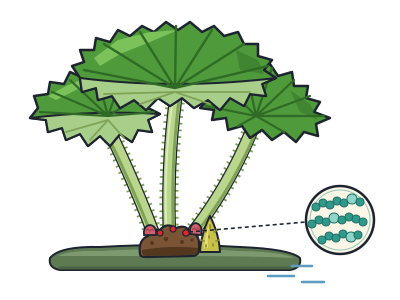
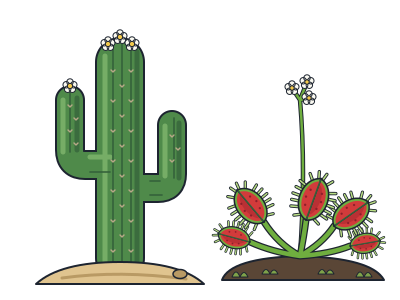
Cacti, beetroot and carnations share a branch with the Venus flytrap.
This branch is shown at about 90 million years ago; its age is a rough estimate.
You and cacti, carnations and carnivores meet in the Eukaryotes branch, shown at about 1.8 billion years ago (on 28 July, in a calendar from life's shared ancestor to today).
A spiky desert cactus, a bunch of carnations and a jar of beetroot don't look like family. Yet they all sit on one branch of the flowering plants. The same branch also holds many of the best-known meat-eating plants: sundews, the Venus flytrap and tropical pitcher plants. Spinach, quinoa and buckwheat belong here too.
It is a big group, with about 12,000 species. Many members are succulents. They store water in fleshy stems or leaves, which helps them survive in dry places. Cacti and ice plants are good examples.
The meat-eaters live in a very different way. Most grow in wet places with poor soil. They still make most of their food from sunlight, like other plants. Insects simply add nitrogen and other nutrients that the soil is missing.
Many plants in this group get their reds and purples from a special kind of pigment, the one that makes beetroot red. Among plants, only this group makes it. Not every member does, though. Carnations are one of the exceptions. They use the ordinary pigments that colour most other flowers.
Count to two
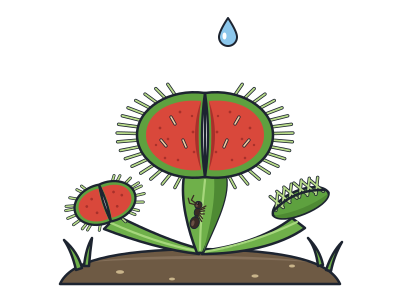
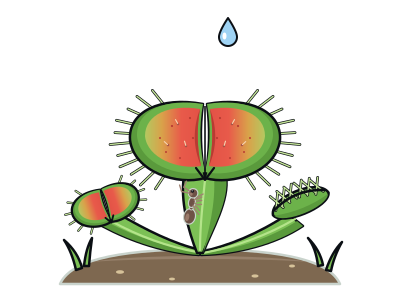
A Venus flytrap only snaps shut if its trigger hairs are touched twice within about 20 seconds. That stops it wasting energy on raindrops. Once triggered, it closes in about a tenth of a second.
A tiny home range
Venus flytraps are sold all over the world, but in the wild they grow only within about 120 km of Wilmington, North Carolina, in the USA.
Snap traps from sticky ones
The Venus flytrap belongs to the same family as the sundews. Scientists think its snapping traps evolved from sticky traps like the ones sundews still use.
Inside cacti, carnations and carnivores
- Venus flytrapSnaps its leaf shut on an insect, but only after two touches, so raindrops do not fool it.
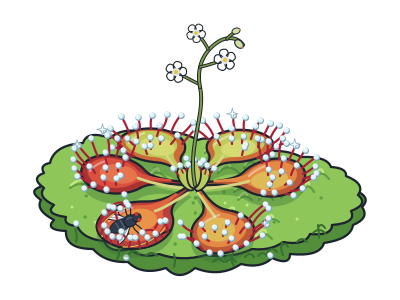
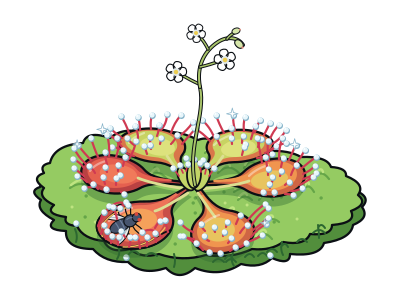
- Round-leaved sundewSticky glittering hairs trap insects, then the leaf slowly curls around its meal.
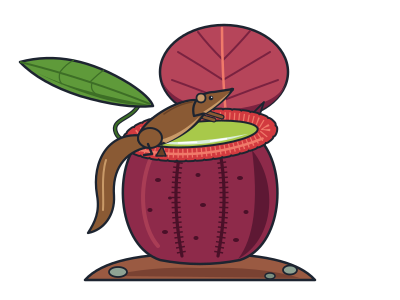
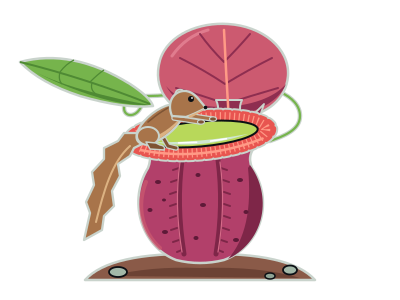
- Giant pitcher plantPitchers big enough to hold two litres; tree shrews use them as toilets, feeding the plant.
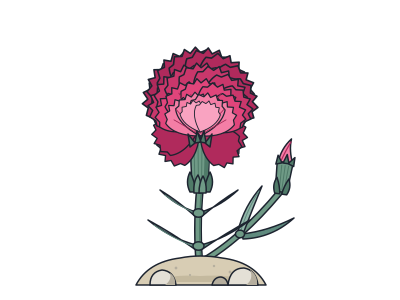
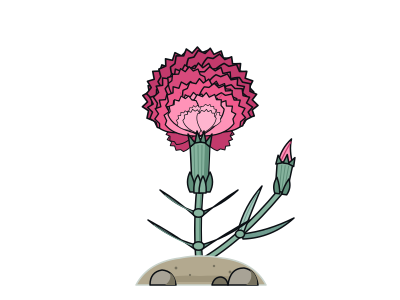
- CarnationA frilly garden flower whose family name gave this whole group its name.
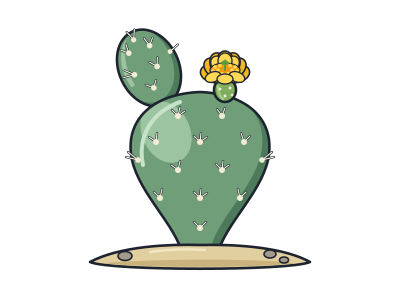
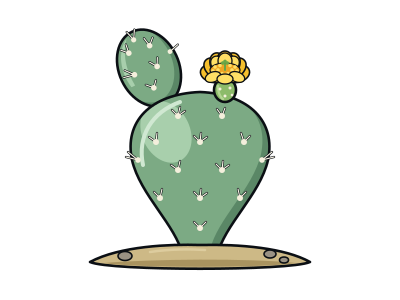
- CactiAbout 1,800 spiny succulents of the Americas, where spines are leaves and stems do the work.
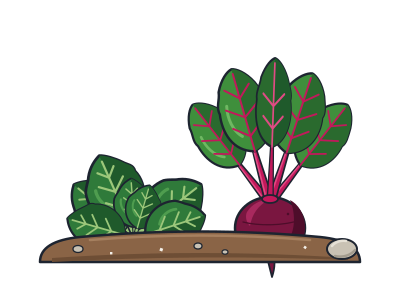
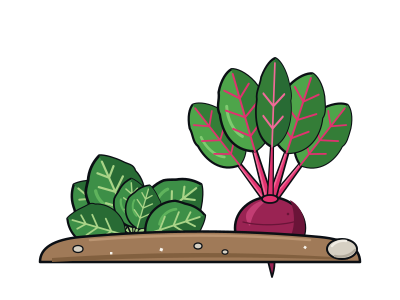
- Amaranth familyBeetroot, spinach and quinoa belong to one family of tough, salt-tolerant plants.
- Living stonesTwo fat leaves disguised as pebbles to hide from grazing animals.
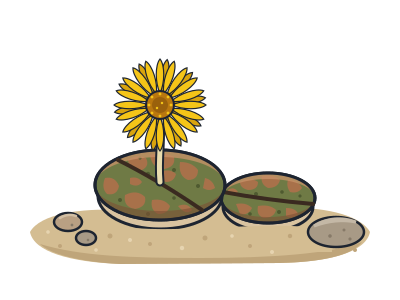
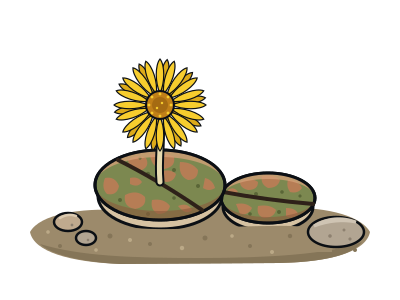
- RhubarbWe eat its sour stalks as a fruit, but its leaves are poisonous.
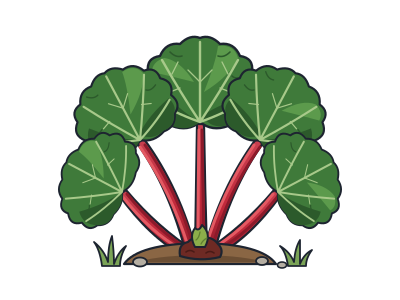
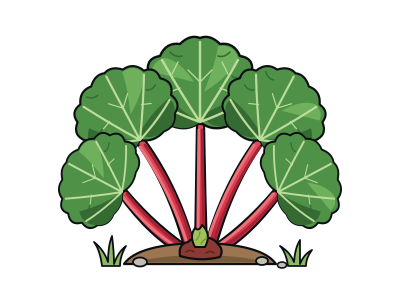
Next to it on the tree
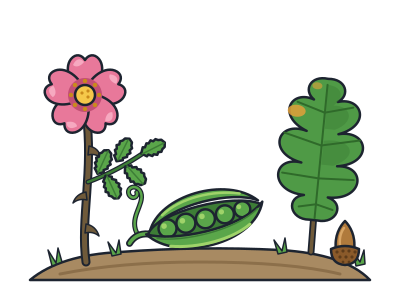
- RosidsA vast branch of eudicots including roses, beans, oaks, cabbages and eucalyptus.
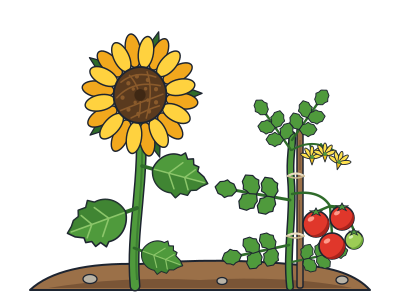
- AsteridsSunflowers, tomatoes, mint and coffee all belong to this big branch.
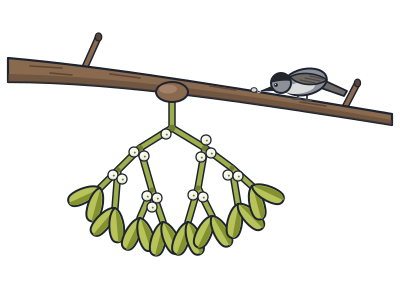
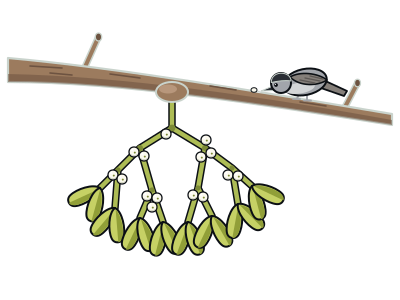
- MistletoeA half-parasite that grows on tree branches, planted there by birds wiping their beaks.
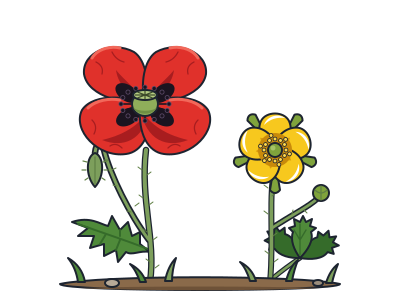
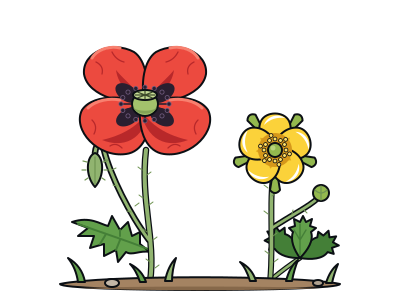
- Buttercups and poppiesThe earliest branch of the eudicots, with buttercups, poppies and columbines.
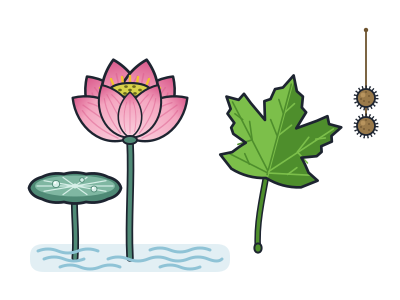
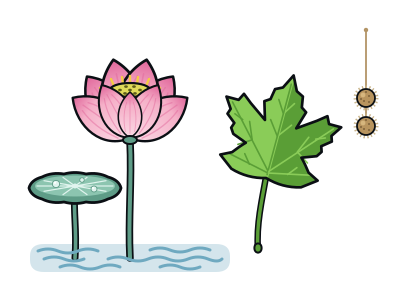
- Lotuses, proteas and planesA water lotus, a South African protea and a city plane tree turn out to be cousins.
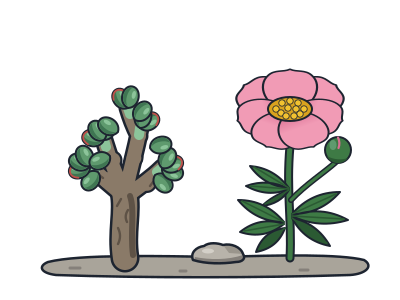
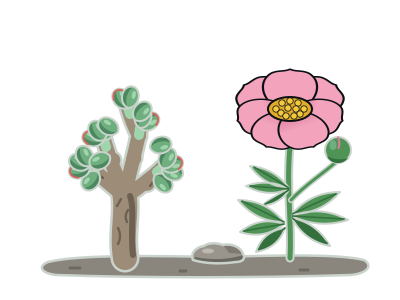
- Stonecrops and peoniesJade plants, peonies and currants: a branch rich in succulents and rock plants.
- Giant rhubarbLeaves big enough to shelter under, with partner microbes living in its stems.