A species
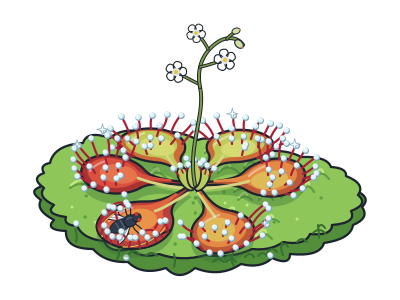
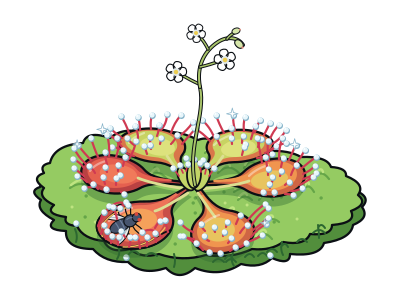
Round-leaved sundew
Drosera rotundifolia
A tiny bog plant with glittering, sticky leaves that slowly fold over insects.
You and the round-leaved sundew meet in the Eukaryotes branch, shown at about 1.8 billion years ago (on 28 July, in a calendar from life's shared ancestor to today).
Each tiny leaf of this bog plant bristles with red hairs, often around 200 of them. Every hair ends in a drop of sticky goo that glitters in the sun, and that sparkle gave the plant its name. When an insect lands, it gets stuck. The hairs sense it and start to bend inwards, sometimes within about 10 seconds. Over the next few hours, more hairs fold over the meal, and the leaf itself can slowly cup around it.
The plant then digests the insect and takes in nutrients such as nitrogen. It still makes its own food from sunlight, like other green plants. Insects add extra nutrients, because the wet, acidic bogs where it lives have very few. After about one to seven days, the leaf opens out again, ready for its next catch.
Here is the surprising family link. The sundew is in the same family as the Venus flytrap. Scientists think the family's first traps were sticky leaves like this one, and the flytrap's snapping trap came later. Its wider family is surprising too: the sundew is related to cacti, carnations and even beetroot.
A leafy larder
One large leaf studied by Charles Darwin held the remains of 13 separate insects.
Winter hideaway
In autumn the plant shrinks into a tight bud of curled-up leaves at ground level. It opens again in spring.
Busy hunters
When Darwin checked 56 leaves from 12 plants, more than half of them (31) had insects or insect remains stuck to them.
Next to it on the tree
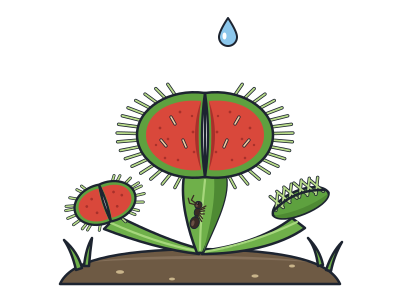
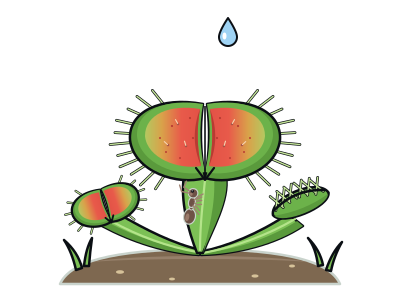
- Venus flytrapSnaps its leaf shut on an insect, but only after two touches, so raindrops do not fool it.
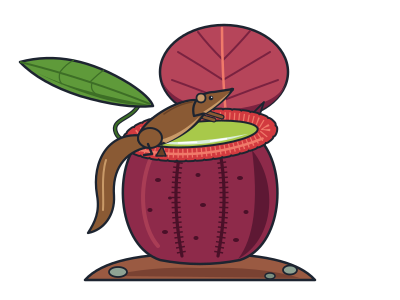
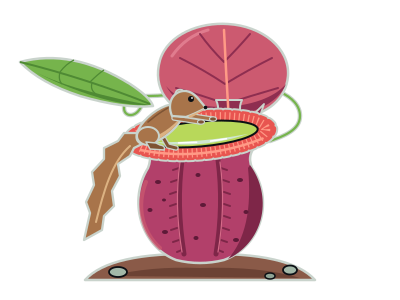
- Giant pitcher plantPitchers big enough to hold two litres; tree shrews use them as toilets, feeding the plant.
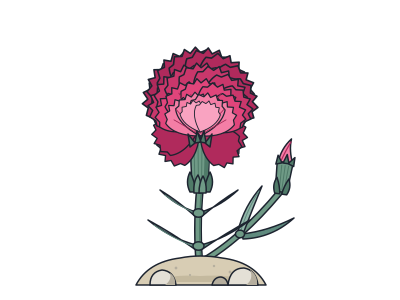
- CarnationA frilly garden flower whose family name gave this whole group its name.
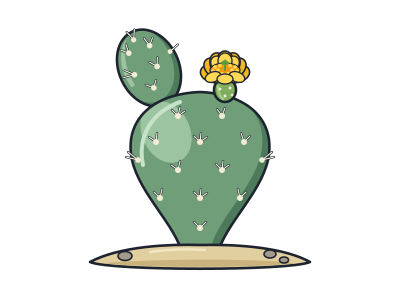
- CactiAbout 1,800 spiny succulents of the Americas, where spines are leaves and stems do the work.
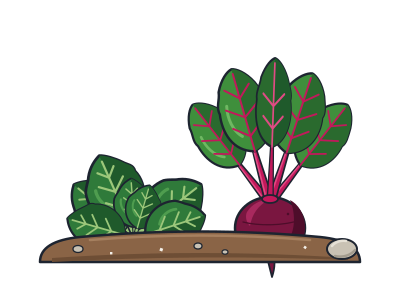
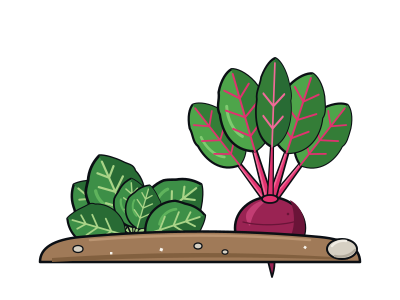
- Amaranth familyBeetroot, spinach and quinoa belong to one family of tough, salt-tolerant plants.
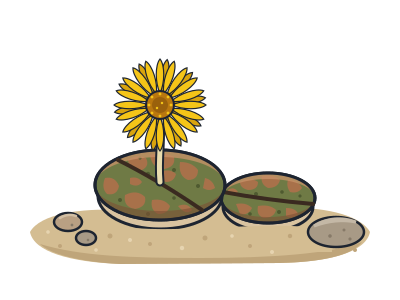
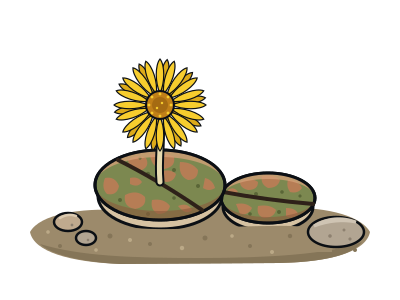
- Living stonesTwo fat leaves disguised as pebbles to hide from grazing animals.
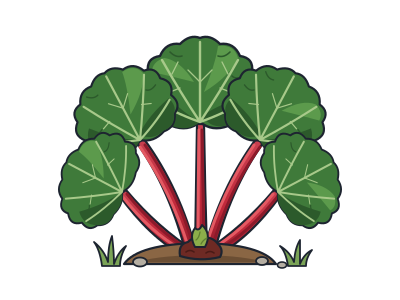
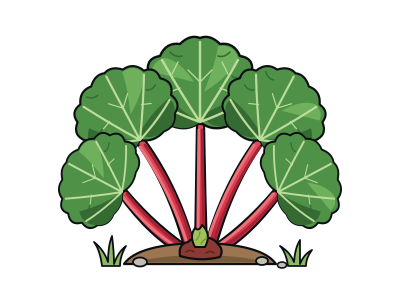
- RhubarbWe eat its sour stalks as a fruit, but its leaves are poisonous.