A species
Venus flytrap
Dionaea muscipula
A plant that counts to two before it snaps
You and the venus flytrap meet in the Eukaryotes branch, shown at about 1.8 billion years ago (on 28 July, in a calendar from life's shared ancestor to today).
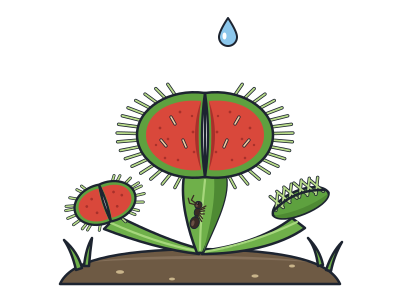
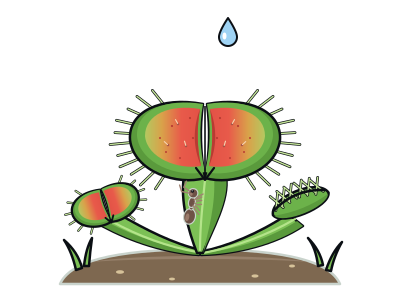
A Venus flytrap can count, in a way. Each trap is a leaf with two lobes, and inside are a few tiny trigger hairs. One touch does not shut the trap, because it could be a false alarm, such as a raindrop or a falling leaf. If one hair is touched twice, or two hairs are touched, within about 20 to 30 seconds, the trap snaps shut in a fraction of a second. That is one of the fastest movements in the plant world.
Shutting is only the start. A struggling insect keeps brushing the hairs, and after about five touches the trap begins to release digestive juices. Then it works like a green stomach. Most of what it catches is ants and spiders, not flies. Like other plants, it makes its food from sunlight. Insects add nutrients that its poor soil lacks.
Its family is surprising. It belongs to the sundew family, alongside sticky-leaved sundews, and its snap trap is thought to have evolved from a sticky trap like theirs. It also belongs to the same large plant group as cacti, carnations and even beets.
In the wild it grows only in a small part of coastal North and South Carolina, USA. It lives in sunny, wet bogs and pine savannas that need a fire every few years to clear away taller plants.
A sweet trick
Hungry flytraps give off a fruity scent that draws in insects and spiders.
Slow dinner
Digestion takes about ten days. Only the insect's hard outer shell is left, and then the trap can open and be used again.
Flowers kept out of reach
Its white flowers grow on a stalk about 15 cm tall, well above the traps. Sweat bees and some beetles pollinate them.
Next to it on the tree
- Round-leaved sundewSticky glittering hairs trap insects, then the leaf slowly curls around its meal.
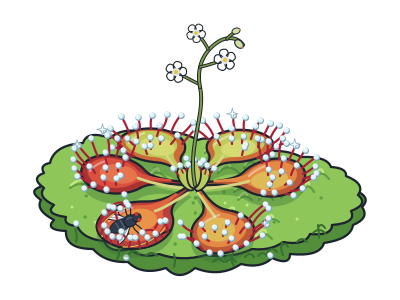
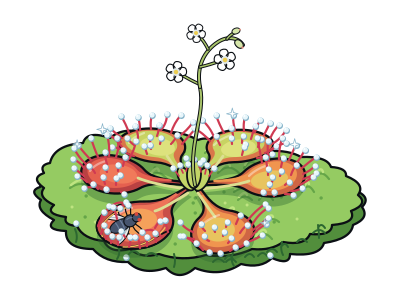
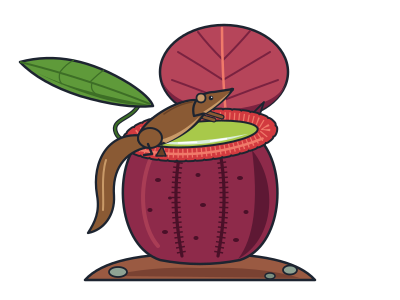
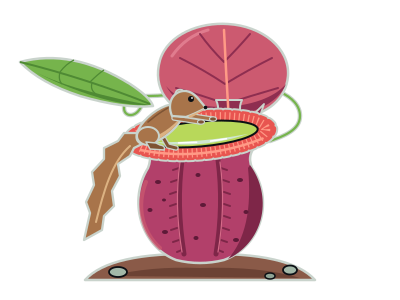
- Giant pitcher plantPitchers big enough to hold two litres; tree shrews use them as toilets, feeding the plant.
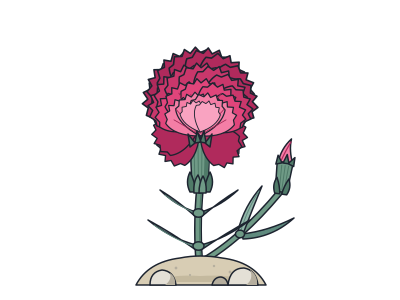
- CarnationA frilly garden flower whose family name gave this whole group its name.
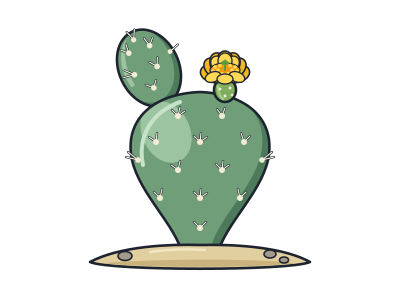
- CactiAbout 1,800 spiny succulents of the Americas, where spines are leaves and stems do the work.
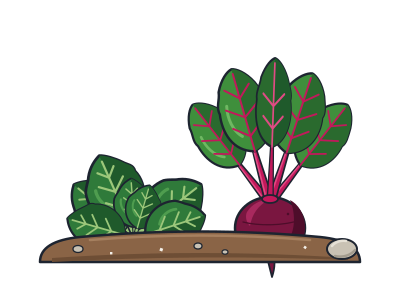
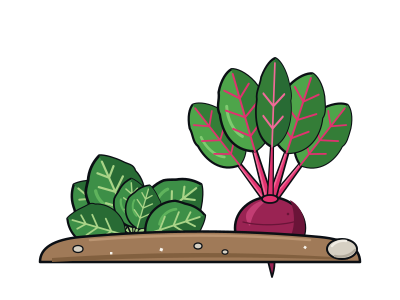
- Amaranth familyBeetroot, spinach and quinoa belong to one family of tough, salt-tolerant plants.
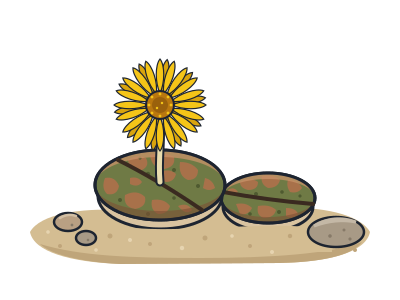
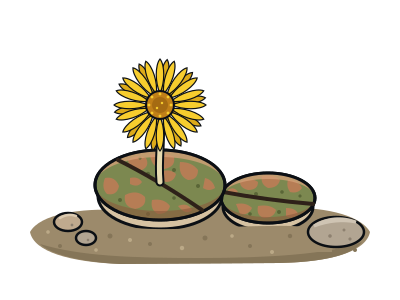
- Living stonesTwo fat leaves disguised as pebbles to hide from grazing animals.
- RhubarbWe eat its sour stalks as a fruit, but its leaves are poisonous.