A group of living things
Amaranth family
Amaranthaceae
Beetroot, spinach and quinoa: one family of tough, salt-tolerant plants
This branch is shown at about 55 million years ago; its age is a rough estimate.
You and amaranth family meet in the Eukaryotes branch, shown at about 1.8 billion years ago (on 28 July, in a calendar from life's shared ancestor to today).
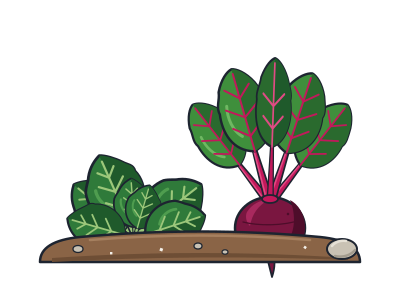
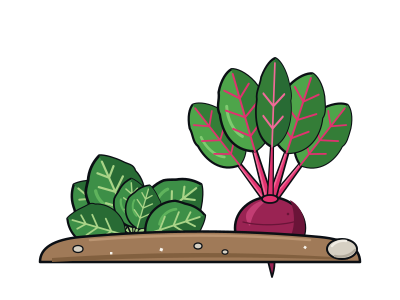
Beetroot, spinach and quinoa look nothing alike on your plate, but they all belong to one plant family. It is a big family, with more than 2,000 species, from small herbs to shrubs. It sits in the same larger group as cacti, carnations and meat-eating plants such as sundews.
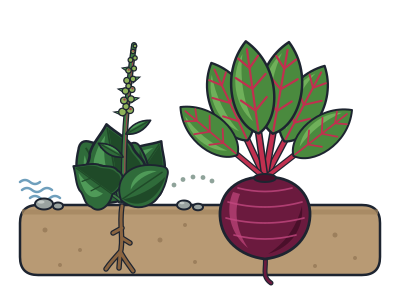
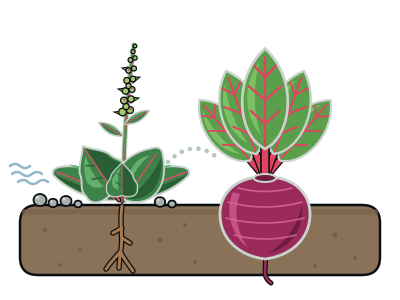
Many members are tough survivors. Lots of them can live in salty soil, and others grow in dry grasslands and semi-deserts. The wild ancestor of beetroot is called sea beet. It still grows on seaside cliffs, shingle beaches and salt marshes, from Western Europe and the Mediterranean to the Middle East. Quinoa also copes well with salty soil.
Beetroot has an unusual colour secret. Many plants in this family make colourings called betalains instead of the ones most other plants use. Betalains give beetroot its deep red-purple colour. Surprisingly, beetroot, sugar beet and silverbeet (Swiss chard) are not separate species. They are all one species, bred for different parts of the plant.
Quinoa is not a true cereal like wheat or rice, which are grasses. It comes from the Andes mountains of South America. People around Lake Titicaca ate it about 3,000 to 4,000 years ago.
Rolling weeds
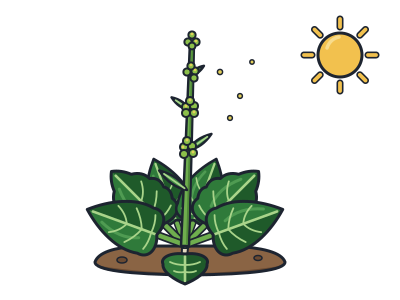
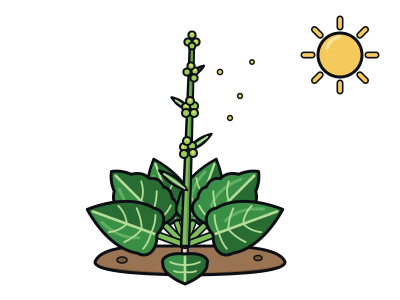
Several tumbleweeds, the dried plants that roll across open country in old Western films, belong to this family.
Sugar from a root
In the early 1800s, wars cut France off from cane sugar, so Napoleon promoted sugar from beet. By 1840, beet supplied about 5% of the world's sugar, and by 1880 it supplied over half.
A soapy shield
Quinoa seeds have a bitter, soapy coating that puts birds off eating them. It is washed off before people cook the seeds.
Inside amaranth family
Next to it on the tree
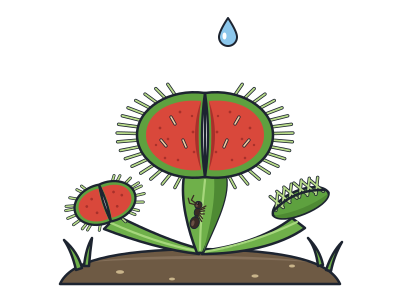
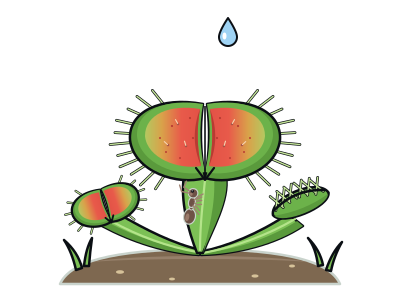
- Venus flytrapSnaps its leaf shut on an insect, but only after two touches, so raindrops do not fool it.
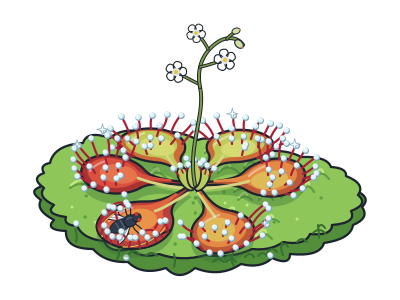
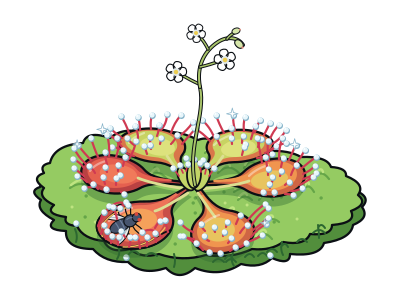
- Round-leaved sundewSticky glittering hairs trap insects, then the leaf slowly curls around its meal.
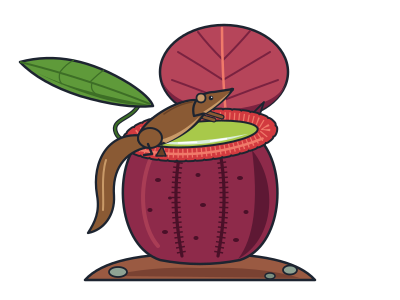
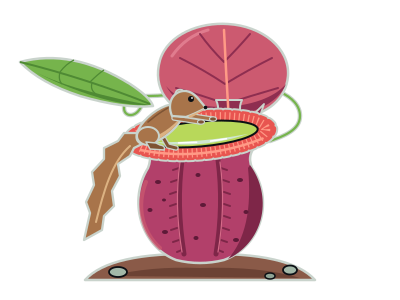
- Giant pitcher plantPitchers big enough to hold two litres; tree shrews use them as toilets, feeding the plant.
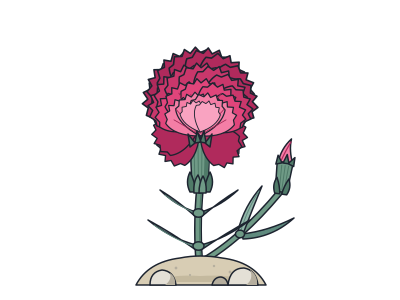
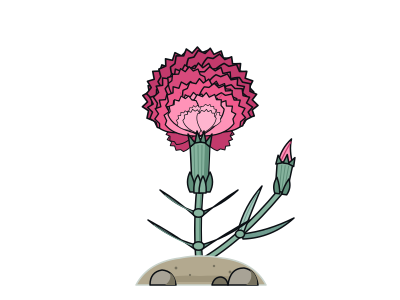
- CarnationA frilly garden flower whose family name gave this whole group its name.
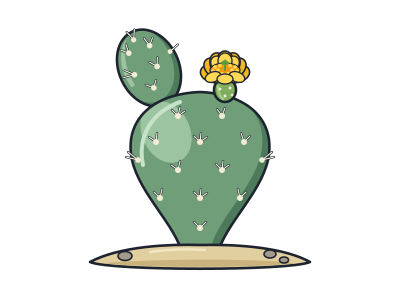
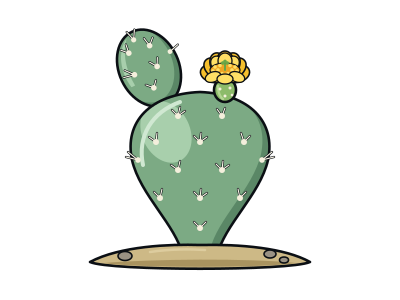
- CactiAbout 1,800 spiny succulents of the Americas, where spines are leaves and stems do the work.
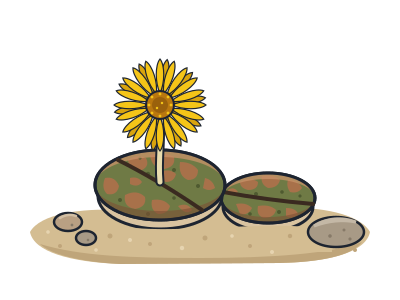
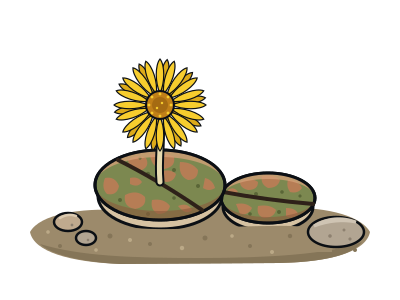
- Living stonesTwo fat leaves disguised as pebbles to hide from grazing animals.
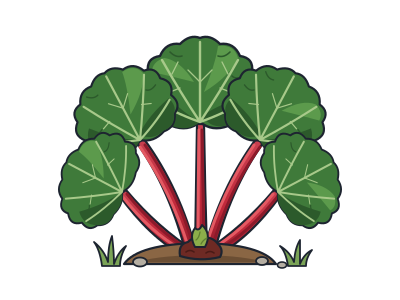
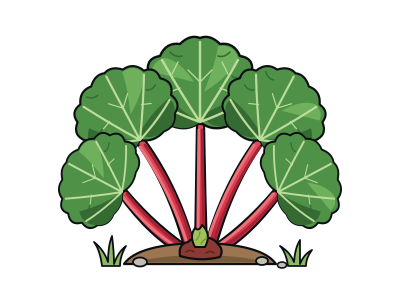
- RhubarbWe eat its sour stalks as a fruit, but its leaves are poisonous.