A species
Rhubarb
Rheum rhabarbarum
A sour stalk we treat as a fruit, under leaves that are poisonous
You and the rhubarb meet in the Eukaryotes branch, shown at about 1.8 billion years ago (on 28 July, in a calendar from life's shared ancestor to today).
We bake rhubarb into pies and crumbles as if it were a fruit, but the part we eat is really a leaf stalk. The huge leaves on top of those stalks are poisonous. The stalks taste sour mainly because of malic acid. A different chemical, oxalic acid, is found all through the plant, but the leaves hold far more of it than the stalks, along with other harmful compounds. Eating the leaves can cause a burning mouth, stomach pain and vomiting.
Rhubarb's family is surprising too. It belongs to the buckwheat family, along with sorrel, docks and Japanese knotweed. That family is part of a bigger group of flowering plants that also includes cacti, carnations, beetroot and meat-eating plants such as sundews.
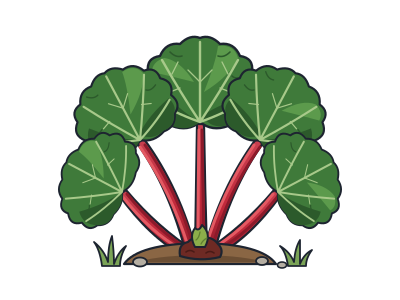
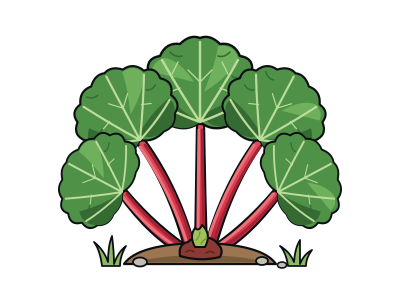
Wild rhubarb comes from southern Siberia, Mongolia and northern China. There it grows on the edges of dry grasslands, in open woods and on sandy slopes. It needs a cold winter to grow well. A big clump stands about 1 to 1.5 metres tall, taller than a kitchen bench. Its wavy-edged leaves can be about 60 centimetres long, and they sit on thick, reddish stalks. It grows back from the same roots year after year.
A fruit by law
In 1947 a US customs court ruled that rhubarb counts as a fruit because people mostly eat it in desserts. The ruling also lowered its import tax.
Worth more than spice
For thousands of years, people in China, Greece and Rome used dried rhubarb root as a medicine. In medieval times it cost more than cinnamon or saffron.
Picked by candlelight
In Yorkshire's 'Rhubarb Triangle', roots are moved into dark, heated sheds. There they grow pale pink stalks, which are traditionally picked by candlelight because bright light stops them growing.
Next to it on the tree
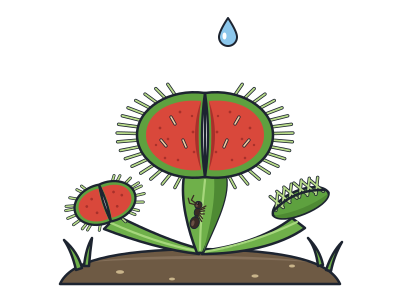
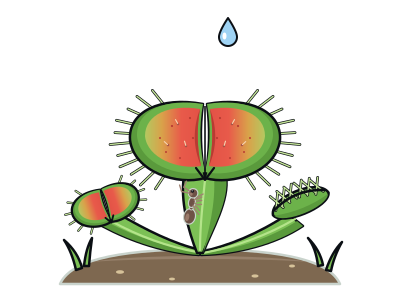
- Venus flytrapSnaps its leaf shut on an insect, but only after two touches, so raindrops do not fool it.
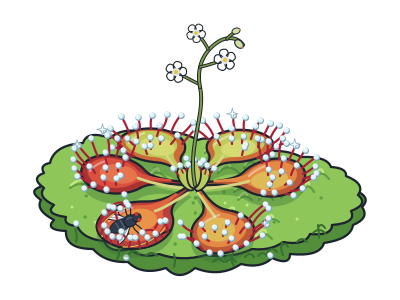
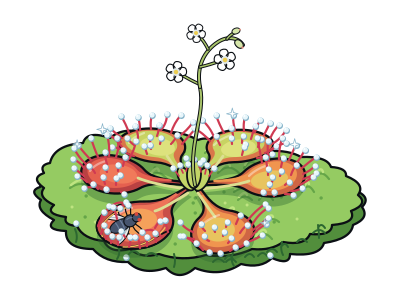
- Round-leaved sundewSticky glittering hairs trap insects, then the leaf slowly curls around its meal.
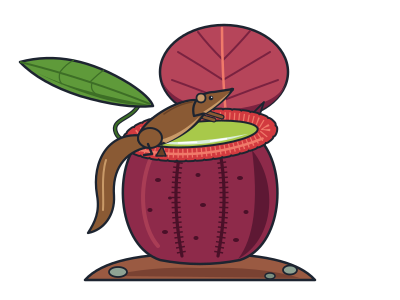
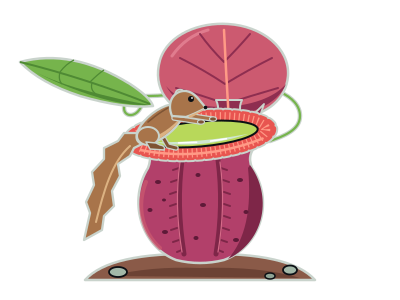
- Giant pitcher plantPitchers big enough to hold two litres; tree shrews use them as toilets, feeding the plant.
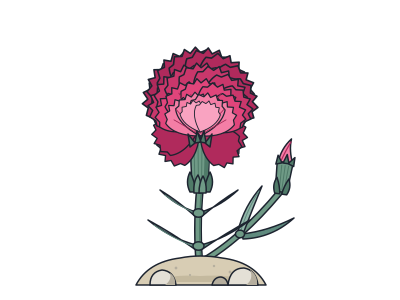
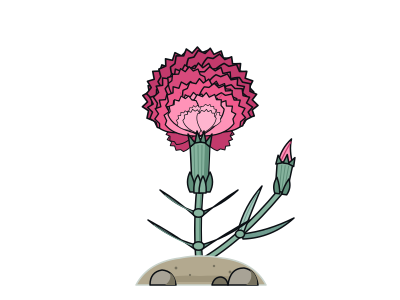
- CarnationA frilly garden flower whose family name gave this whole group its name.
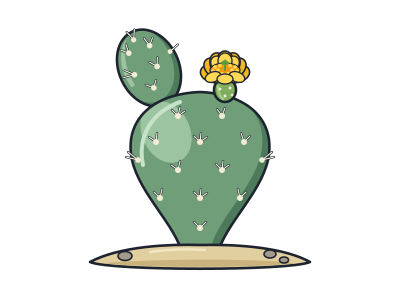
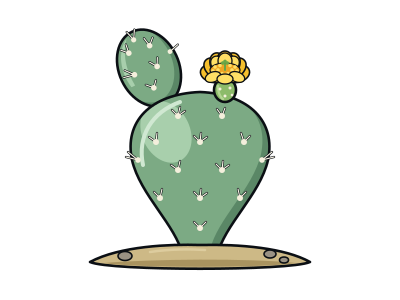
- CactiAbout 1,800 spiny succulents of the Americas, where spines are leaves and stems do the work.
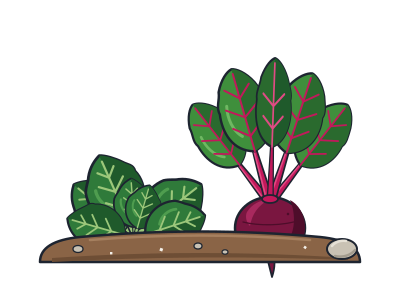
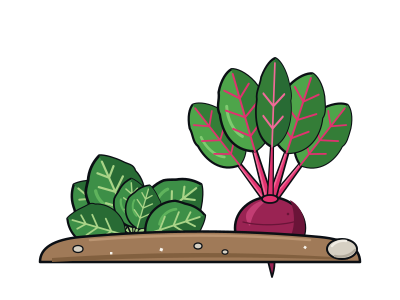
- Amaranth familyBeetroot, spinach and quinoa belong to one family of tough, salt-tolerant plants.
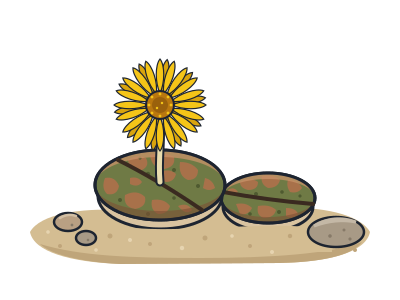
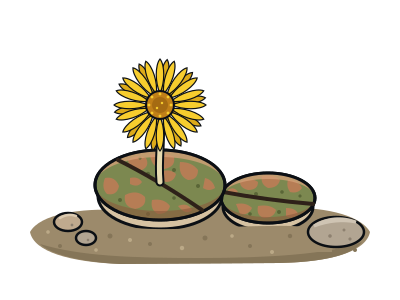
- Living stonesTwo fat leaves disguised as pebbles to hide from grazing animals.