A species
Carnation
Dianthus caryophyllus
The frilly flower that gave its name to the big plant group of cacti, sundews and beetroot
You and the carnation meet in the Eukaryotes branch, shown at about 1.8 billion years ago (on 28 July, in a calendar from life's shared ancestor to today).
The carnation is a frilly garden flower with a surprising claim to fame. An old name for it was used to name its whole family, often called the pink family. The same name was later given to a much bigger group of about 11,600 plant species. So this florist's favourite gave its name to the group that holds prickly cacti, meat-eating sundews, tropical pitcher plants, beetroot, spinach, quinoa and rhubarb.
But the carnation does not share one famous trick of some of its relatives. Cacti and beetroot get their reds and yellows from special pigments that no flowering plants outside this group make. The carnation family uses a different kind of pigment, the kind most other flowering plants use.
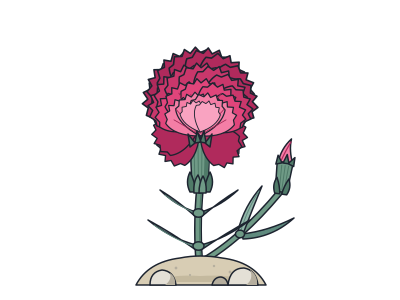
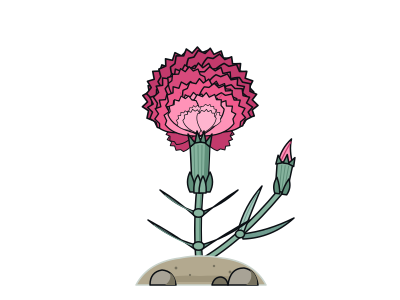
Wild carnations grow on sunny, rocky ground around the Mediterranean. They grow up to about 80 cm tall, almost as high as a kitchen bench. They have narrow, blue-green leaves in pairs. The wild flower is bright pinkish-purple. It has five petals with zigzag edges and a spicy smell like cloves. That smell gave it the old name 'clove pink'. But it is not related to the clove tree that gives us the spice.
People have grown carnations for about 2,000 years. An ancient Greek scholar named their group of flowers with words meaning 'divine flower'. Florist types are often puffy pom-poms in red, pink, white, yellow or even green.
The Mother's Day flower
In 1908, Anna Jarvis sent 500 white carnations to a church service in memory of her mother. This helped make the carnation the flower of Mother's Day.
A carnation with petunia genes
No carnation bred the ordinary way is truly blue. In 1997, the Australian company Florigene first grew 'Moondust' for sale. It is a small purple-mauve carnation, made by adding a colour gene from petunias.
A relative in Antarctica
The carnation's family includes the Antarctic pearlwort. It is one of only two flowering plants native to Antarctica.
Next to it on the tree
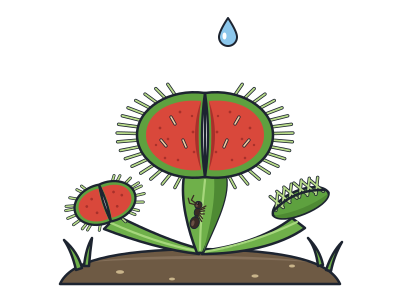
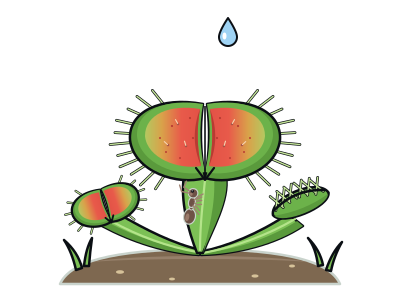
- Venus flytrapSnaps its leaf shut on an insect, but only after two touches, so raindrops do not fool it.
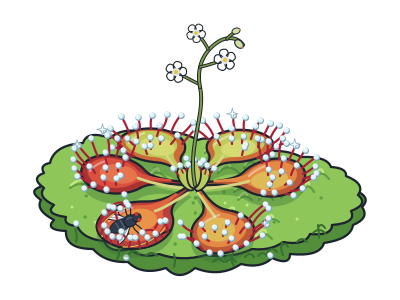
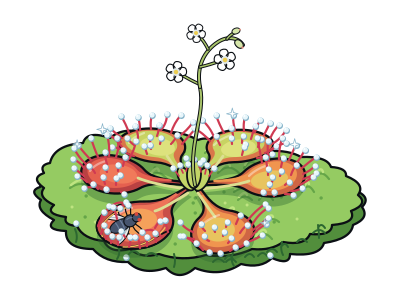
- Round-leaved sundewSticky glittering hairs trap insects, then the leaf slowly curls around its meal.
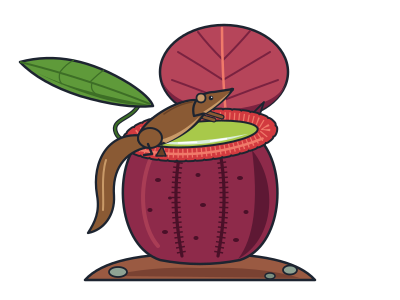
- Giant pitcher plantPitchers big enough to hold two litres; tree shrews use them as toilets, feeding the plant.
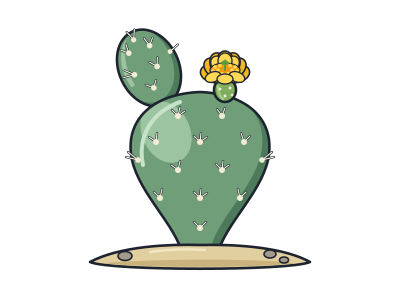
- CactiAbout 1,800 spiny succulents of the Americas, where spines are leaves and stems do the work.
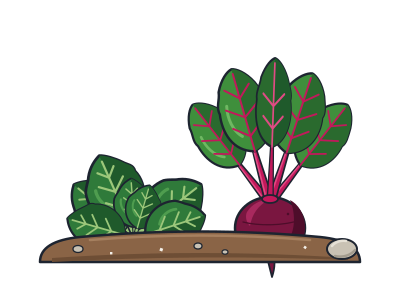
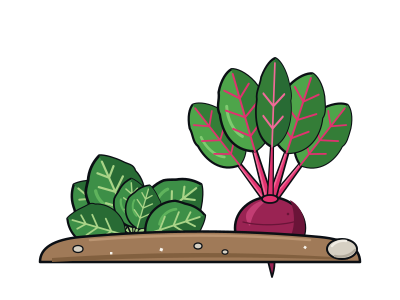
- Amaranth familyBeetroot, spinach and quinoa belong to one family of tough, salt-tolerant plants.
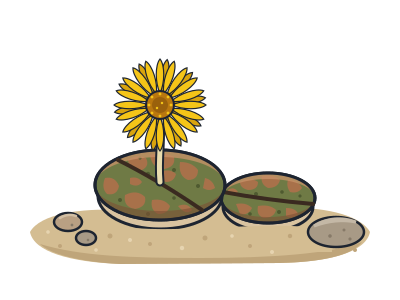
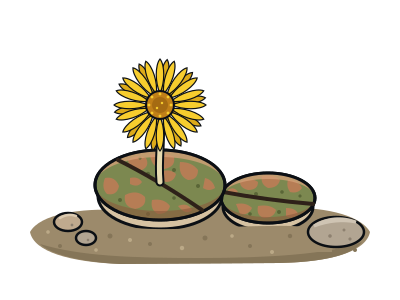
- Living stonesTwo fat leaves disguised as pebbles to hide from grazing animals.
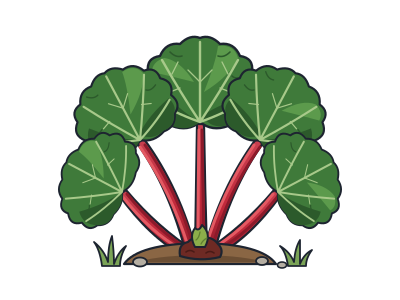
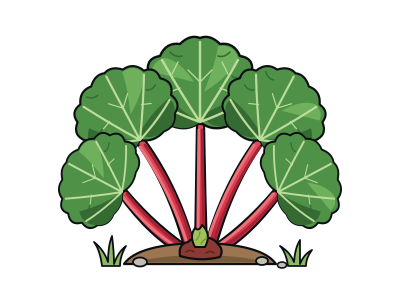
- RhubarbWe eat its sour stalks as a fruit, but its leaves are poisonous.