A species
Giant pitcher plant
Nepenthes rajah
A giant leafy jug that turns animal droppings into plant food
You and the giant pitcher plant meet in the Eukaryotes branch, shown at about 1.8 billion years ago (on 28 July, in a calendar from life's shared ancestor to today).
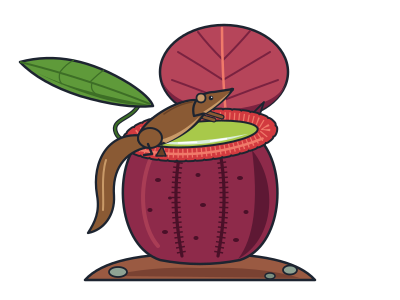
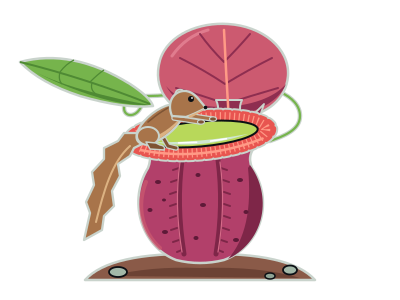
This plant grows leafy jugs, called pitchers, that are big enough to hold about two litres of liquid or more. That is about as much as a large bottle of soft drink. Its most surprising trick, though, has nothing to do with catching prey. Small, squirrel-like animals called mountain tree shrews climb onto the rim to lick sweet syrup from the underside of the lid. While they feed, their droppings fall into the jug, and the plant takes in nutrients from them.
The fit is remarkably neat. The distance from the lid's sweet spots to the front of the opening matches the length of a tree shrew's head and body. That means a feeding shrew sits with its bottom right over the pitcher. At night a rat does the same job, so the plant has a day shift and a night shift of visitors.
It still catches insects too, mostly ants, which slip into its digestive juices. On the tree of life it sits in the same big group as the Venus flytrap and sundews. That group also includes carnations, beets and cacti, which are surprising relatives for a meat-eating plant.
It grows wild only on two mountains in Malaysian Borneo. It lives high up on rocky soils with few nutrients, where it scrambles along the ground as a vine.
A fruity perfume
The pitcher lids give off a fruity, flowery smell made of 44 different chemicals. This probably helps draw in the mammals.
Visitors, not victims
In one survey of 42 large pitchers, only one held a drowned tree shrew. The mammals are mostly guests, not prey.
Named for a 'White Rajah'
It was collected in 1858 and named the next year after James Brooke, a British man known as the 'White Rajah' of Sarawak.
Next to it on the tree
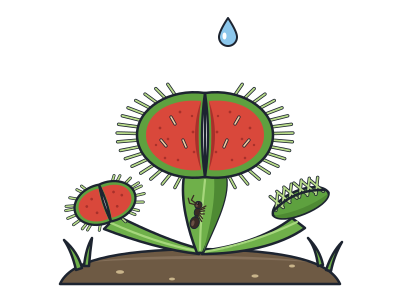
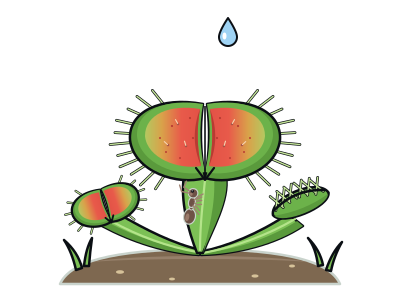
- Venus flytrapSnaps its leaf shut on an insect, but only after two touches, so raindrops do not fool it.
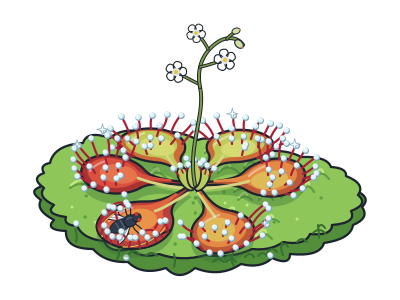
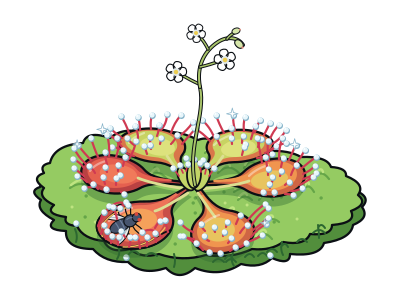
- Round-leaved sundewSticky glittering hairs trap insects, then the leaf slowly curls around its meal.
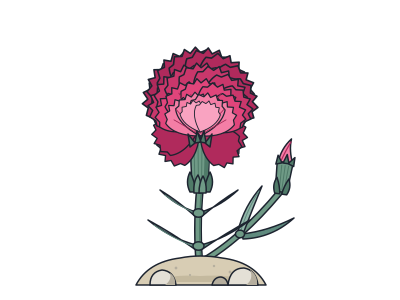
- CarnationA frilly garden flower whose family name gave this whole group its name.
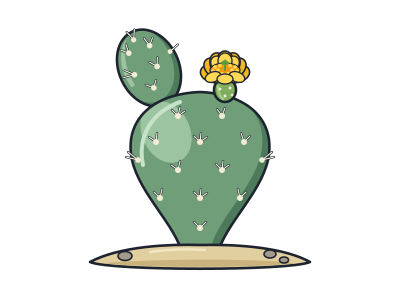
- CactiAbout 1,800 spiny succulents of the Americas, where spines are leaves and stems do the work.
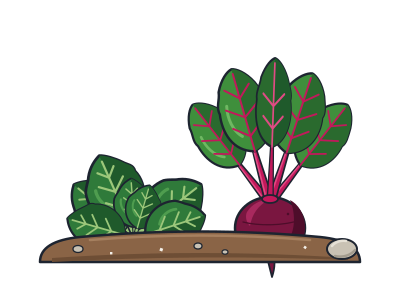
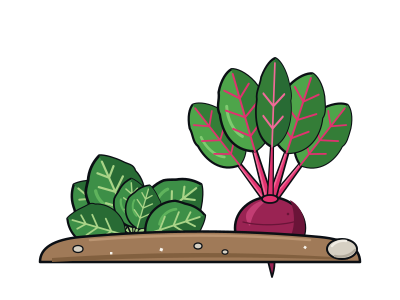
- Amaranth familyBeetroot, spinach and quinoa belong to one family of tough, salt-tolerant plants.
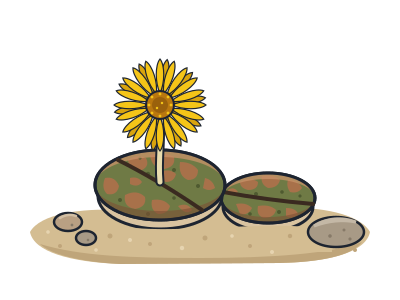
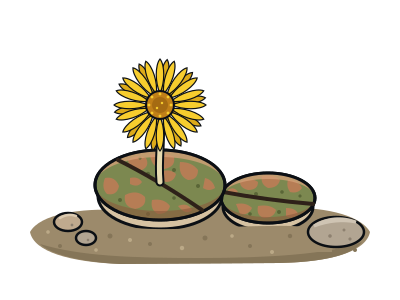
- Living stonesTwo fat leaves disguised as pebbles to hide from grazing animals.
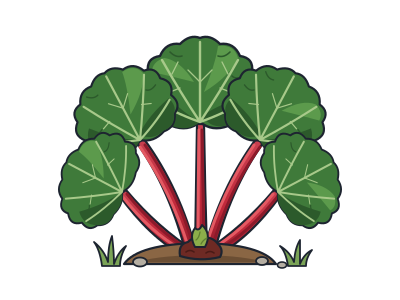
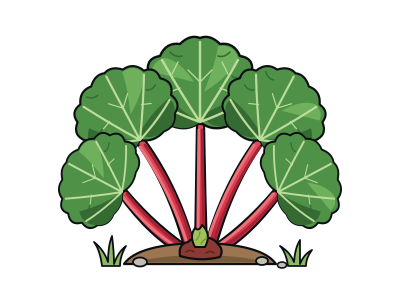
- RhubarbWe eat its sour stalks as a fruit, but its leaves are poisonous.