A group of living things
Cacti
Cactaceae
Spiny water-savers of the Americas, where the spines are leaves and the stems do the work
This branch is shown at about 35 million years ago; its age is a rough estimate.
You and cacti meet in the Eukaryotes branch, shown at about 1.8 billion years ago (on 28 July, in a calendar from life's shared ancestor to today).
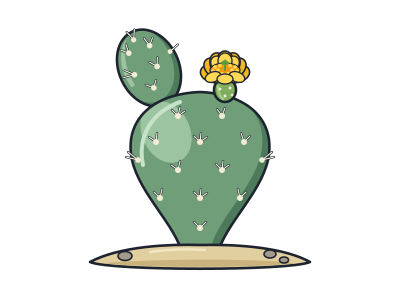
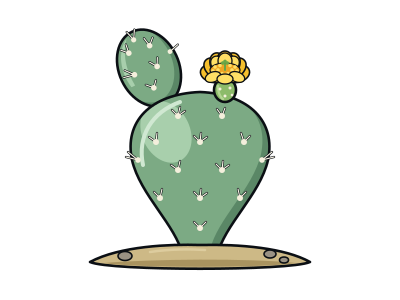
Cacti are a family of about 1,850 spiny succulents. All but one kind grow wild only in the Americas, from Patagonia in the far south up to western Canada. A cactus's spines are actually leaves, changed over time into hard, sharp points. Most cacti have no flat leaves, so the green stems take over. They store water and make the plant's food.
To save water, most cacti open the tiny breathing pores on their stems at night, when it is cool. They take in carbon dioxide in the dark and use it to make food in the daytime sun. Every cactus also has areoles. These are small fuzzy cushions where spines, flowers and new stems grow, and no other plant family has them.
Areoles help you spot a lookalike. Many African spurges look almost exactly like cacti because they evolved in similar dry places, but they have no areoles. On the tree, cacti share a bigger branch with carnations, rhubarb and meat-eating plants such as the Venus flytrap.
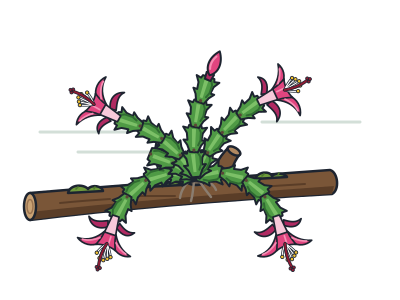
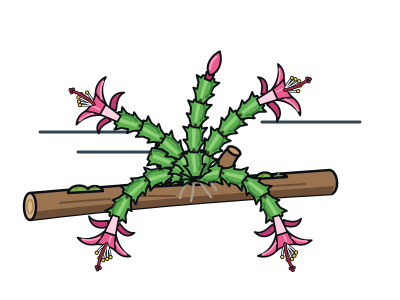
Not every cactus lives in a desert. The holiday cactus grows on mossy tree branches in shady, damp mountain forests near the coast of south-eastern Brazil.
Slow giants
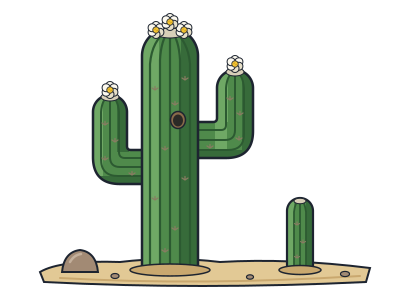
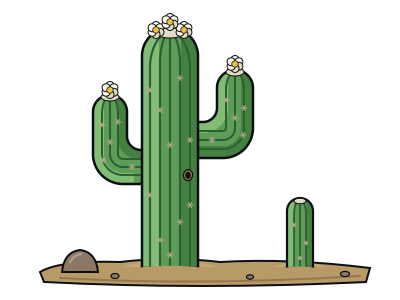
A saguaro usually flowers for the first time at about 35 years old and may not grow its first arm until it is 50 to 70. Many live 150 to 175 years.
A moth saved Australian farms
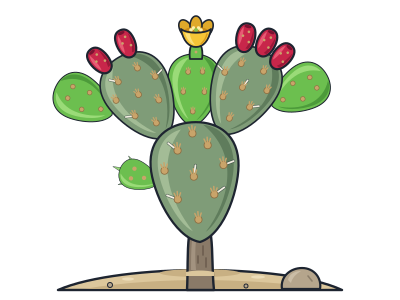
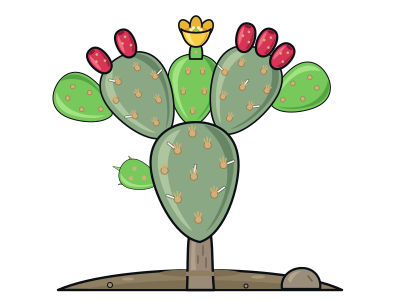
Prickly pears spread so badly in Australia that they ruined about 40,000 square kilometres of farmland. In 1925 a moth from Argentina, whose caterpillars eat prickly pear, was brought in and almost wiped out the outbreak.
Some still have real leaves
A small group of about ten cacti still grow ordinary broad leaves, up to about 11 cm long. Their stems are not fleshy, but their spines on areoles show they are true cacti.
Inside cacti
Next to it on the tree
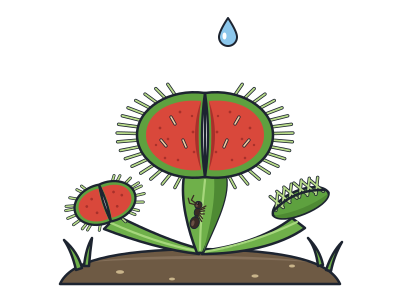
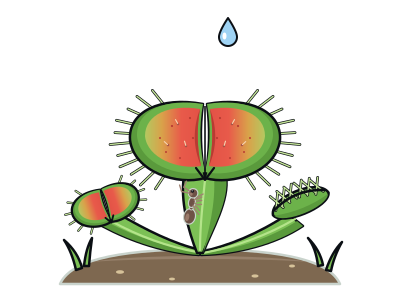
- Venus flytrapSnaps its leaf shut on an insect, but only after two touches, so raindrops do not fool it.
- Round-leaved sundewSticky glittering hairs trap insects, then the leaf slowly curls around its meal.
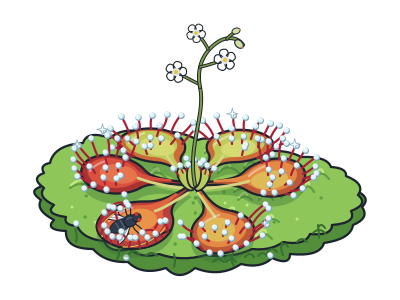
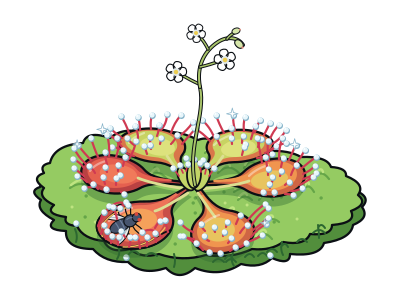
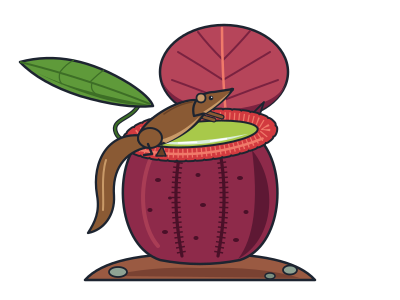
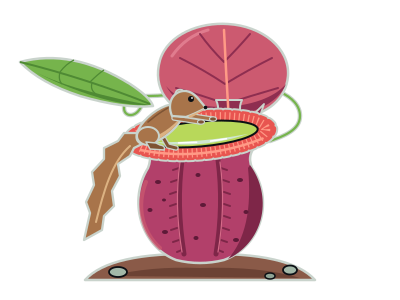
- Giant pitcher plantPitchers big enough to hold two litres; tree shrews use them as toilets, feeding the plant.
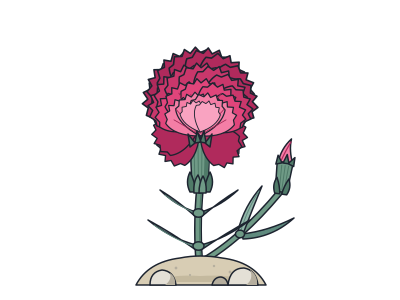
- CarnationA frilly garden flower whose family name gave this whole group its name.
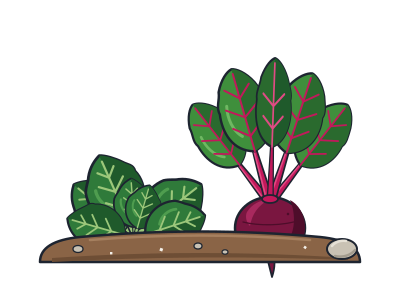
- Amaranth familyBeetroot, spinach and quinoa belong to one family of tough, salt-tolerant plants.
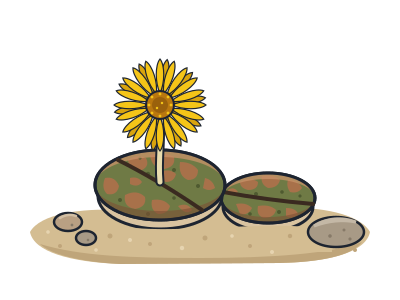
- Living stonesTwo fat leaves disguised as pebbles to hide from grazing animals.
- RhubarbWe eat its sour stalks as a fruit, but its leaves are poisonous.