A group of living things
Monocots
Monocotyledoneae
One seed-leaf links lawn grass, orchids, palms and bananas.
This branch is shown at about 140 million years ago; its age is a rough estimate.
You and monocots meet in the Eukaryotes branch, shown at about 1.8 billion years ago (on 28 July, in a calendar from life's shared ancestor to today).
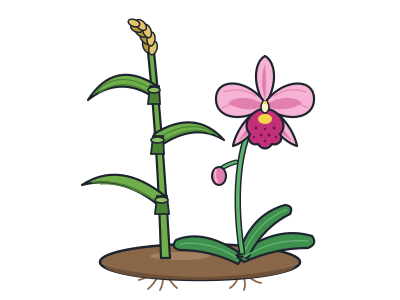
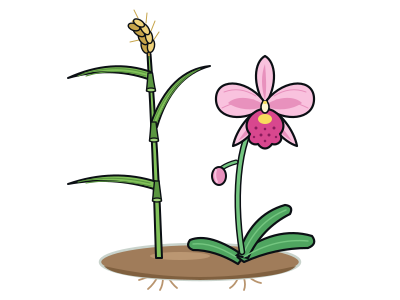
When a monocot seed sprouts, it sends up just one seed-leaf. Most other flowering plants send up two. That small detail links a surprising group: the grass on your lawn, the orchid on a windowsill, the palm on a beach and the banana plant are all monocots. So are rice, wheat, onions, garlic, pineapples and bamboo.
There are more than 70,000 kinds, which is about a quarter of all flowering plants. Orchids and grasses are the two biggest families. Together they make up about two thirds of all monocots. Grasses matter hugely to people. Rice, wheat and maize together supply more than two fifths of the energy in the human diet.
Many monocots share a look. Their leaves are often long and strap-shaped, with veins running side by side from base to tip. Their flower parts usually come in threes, and they grow a tuft of thin roots instead of one main root. But no single feature fits every monocot. Some have net-veined leaves, and a few have flower parts in fours.
Most monocots cannot make wood the way oak trees do. Palms and yuccas still grow thick stems, but they do it in their own unusual ways.
The tiniest flowering plant
Watermeal, a floating pond plant, is the world's smallest flowering plant. Each one is less than 1 mm long, about the size of a sugar sprinkle, and it makes the world's smallest fruit.
Built to be mown
Grass leaves grow from the bottom, not the tip. That is why a lawn grows back after mowing and a field grows back after animals graze it.
A record-breaking climber
One kind of rattan palm can send out climbing shoots up to about 185 metres long. That is longer than a row of 15 buses.
Inside monocots
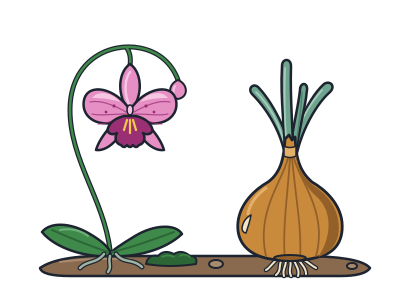
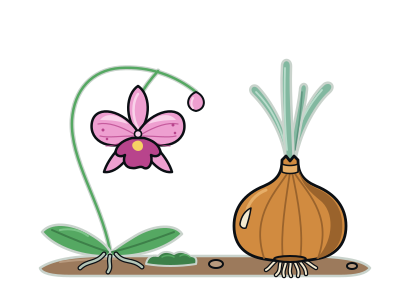
- Orchids, onions and agavesOrchids share a branch with onions, aloes, asparagus and dragon trees.
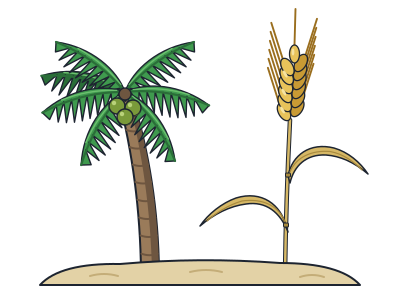
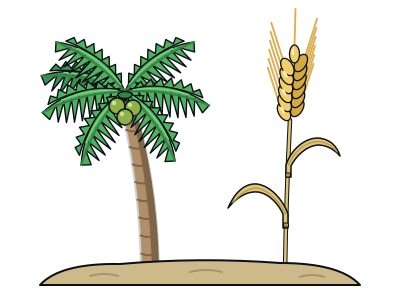
- Palms, grasses and gingersPalms, bananas, pineapples, ginger and grasses all share one ancestor.
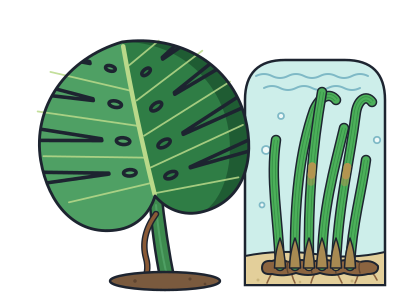
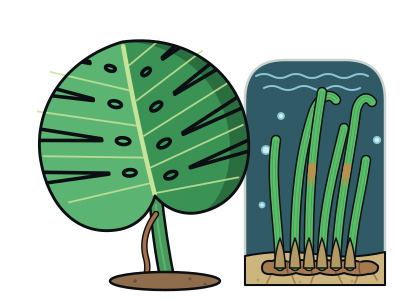
- Arums and seagrassesWater-loving monocots, from house-plant arums to the only flowering plants that live in the sea.
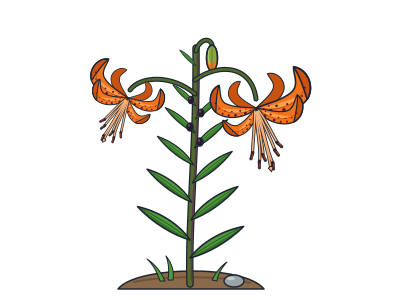
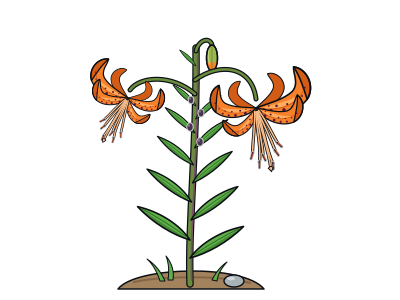
- LiliesShowy six-petalled flowers from bulbs, including lilies, tulips and the plant with the biggest flowering-plant genome.
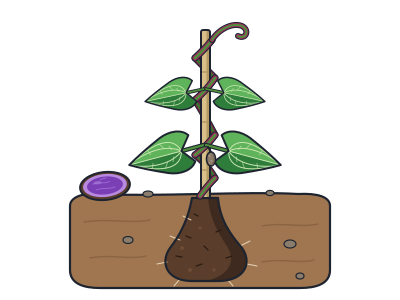
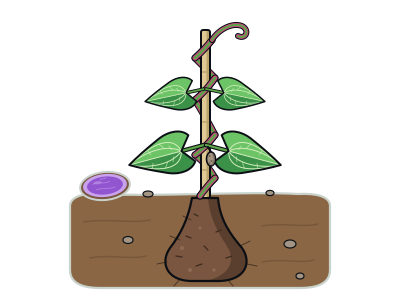
- Greater yamA climbing vine whose huge purple tubers are the ube of Filipino desserts.
Next to it on the tree
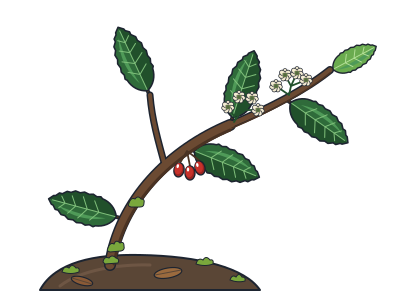
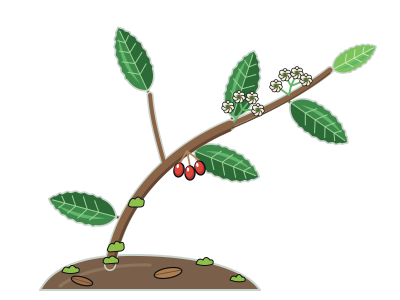
- AmborellaA shrub found only in New Caledonia: the sister of every other flowering plant.
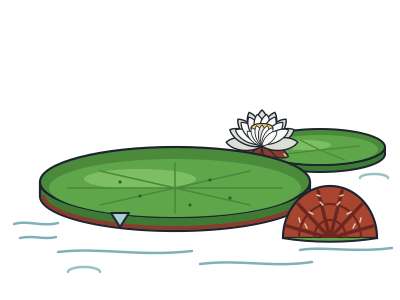
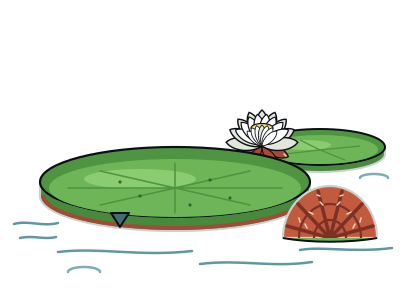
- Giant water lilyLily pads strong enough to hold a small child, from one of the oldest flower lineages.
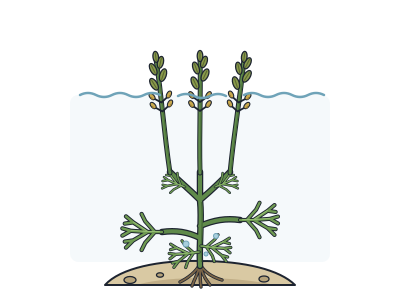
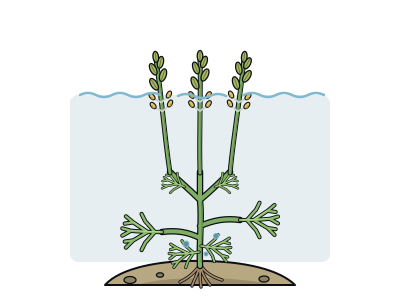
- ArchaefructusA 125-million-year-old water plant from China with some of the earliest known flowers.
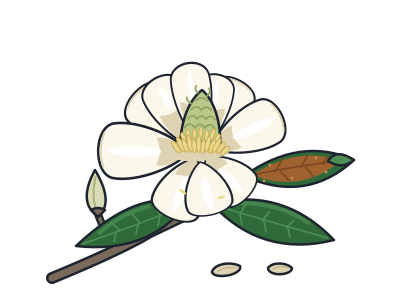
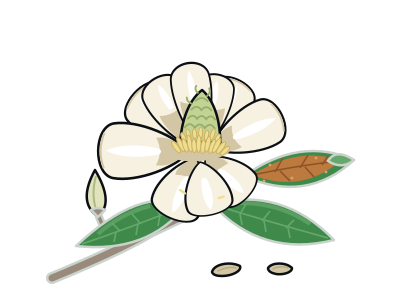
- Magnolias and kinBig, simple flowers and aromatic trees, including spices and avocados.
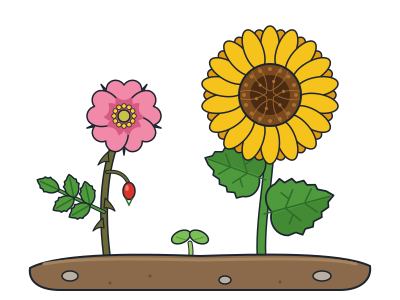
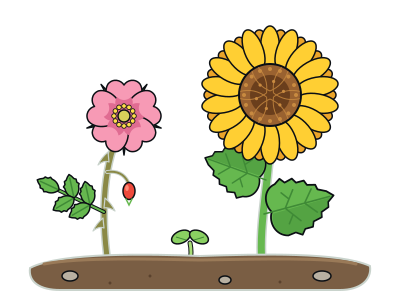
- EudicotsMost flowering plants, with two seed-leaves, from roses and beans to sunflowers.
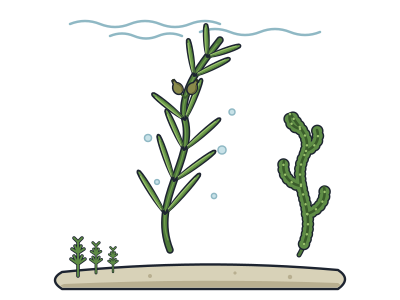
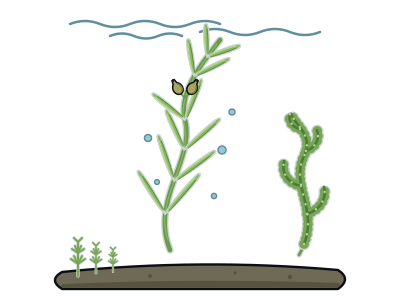
- MontsechiaA 130-million-year-old underwater flowering plant from Spain, among the oldest known.
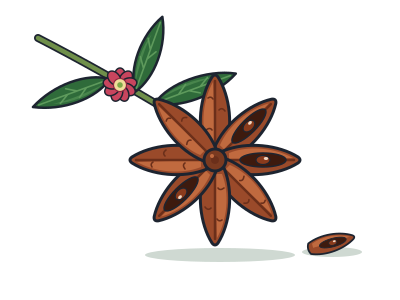
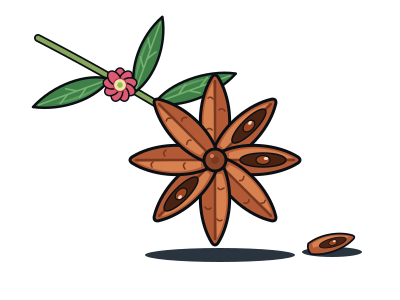
- Star aniseA spice shaped like an eight-pointed star, from one of the oldest flowering-plant branches.