A group of living things
Lilies
Liliales
Showy six-petalled flowers, many grown from bulbs, plus a plant with record-breaking DNA
This branch is shown at about 95 million years ago; its age is a rough estimate.
You and lilies meet in the Eukaryotes branch, shown at about 1.8 billion years ago (on 28 July, in a calendar from life's shared ancestor to today).
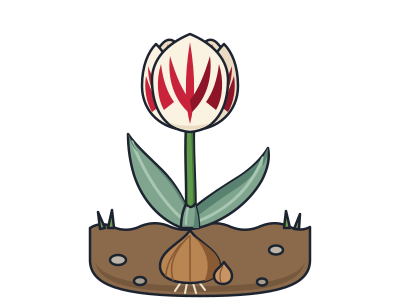
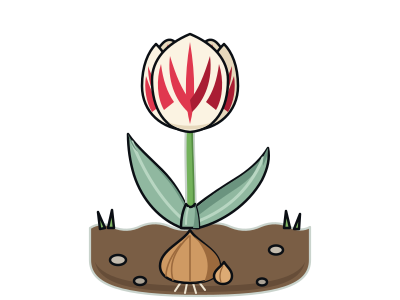
Lilies, tulips and their relatives grow some of the showiest flowers in any garden. Many come back each year from food stored underground in bulbs, corms or creeping underground stems. Their flowers usually have six 'petals' in two rings of three. Really, three are petals and three are sepals, the leafy parts that usually wrap the bud. Here they look so alike that botanists call them all tepals.
On the tree, this group sits among the monocots, next to orchids and onions, palms and grasses, arums, and yams. DNA studies have shuffled it a lot. Many plants once counted as lilies have moved to the group with orchids, onions and agaves. Plenty of plants called 'lily' are not in this group at all. Calla lilies and peace lilies, for example, are arums.
The biggest surprise is a small woodland plant from Japan. Its DNA is about 149 billion letters long, more than 46 times longer than yours. That is the largest genome known for any flowering plant.
There are about 1,770 species. They grow almost worldwide, but are commonest in temperate and subtropical places, especially in the northern half of the world.
Babies on the stem
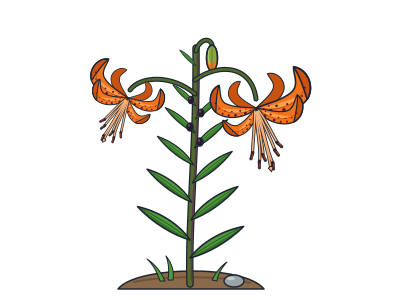
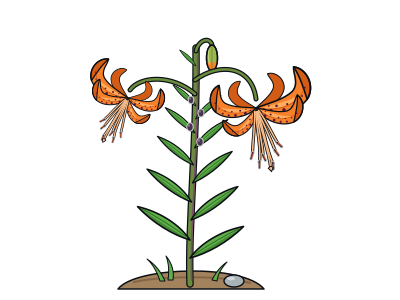
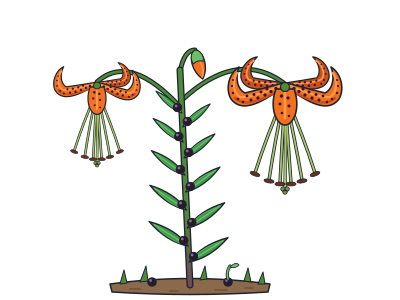
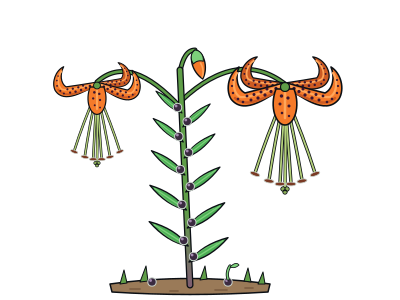
Tiger lilies grow tiny black bulbs where the leaves meet the stem. These drop off and grow into copies of the parent plant. Most tiger lilies in North America cannot make seed, so they spread mainly this way.
A lily you can eat
In Asia, people grow tiger lilies and also gather them from the wild for their edible bulbs.
Climbers in the group
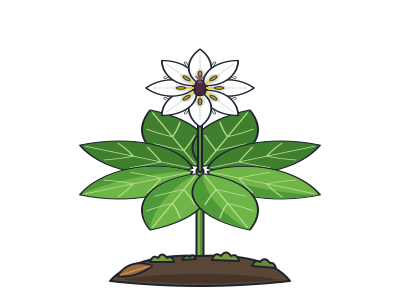
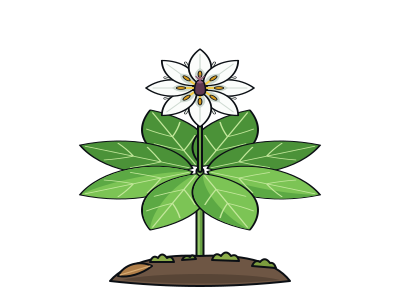
The group also includes trilliums and greenbriers. Greenbriers are mostly climbing vines rather than upright garden flowers.
Inside lilies
Next to it on the tree
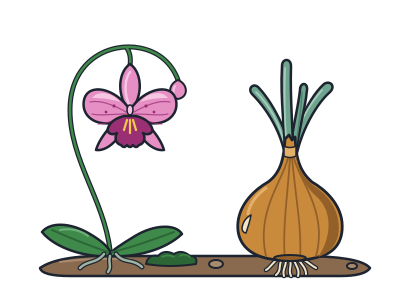
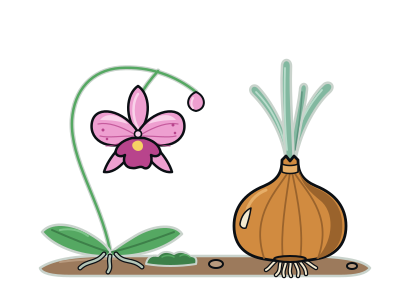
- Orchids, onions and agavesOrchids share a branch with onions, aloes, asparagus and dragon trees.
- Palms, grasses and gingersPalms, bananas, pineapples, ginger and grasses all share one ancestor.
- Arums and seagrassesWater-loving monocots, from house-plant arums to the only flowering plants that live in the sea.
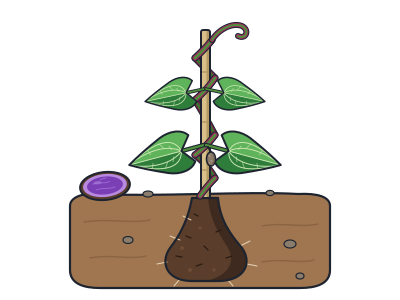
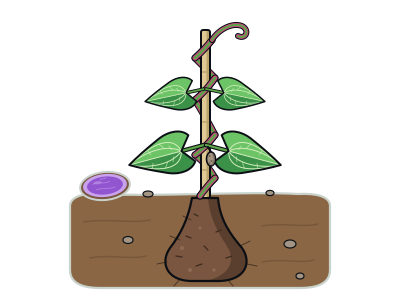
- Greater yamA climbing vine whose huge purple tubers are the ube of Filipino desserts.