A group of living things
Orchids, onions and agaves
Asparagales
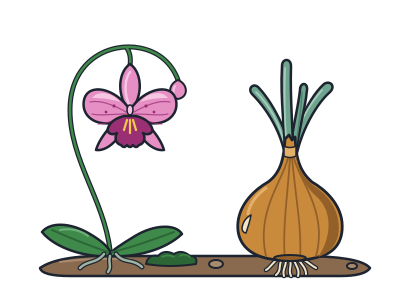
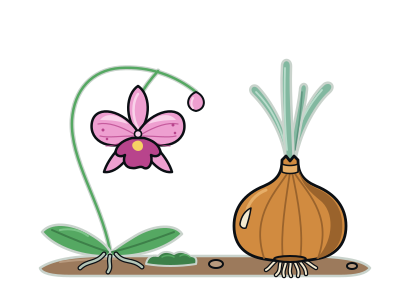
A delicate orchid and a kitchen onion belong to the same big branch of flowering plants.
This branch is shown at about 110 million years ago; its age is a rough estimate.
You and orchids, onions and agaves meet in the Eukaryotes branch, shown at about 1.8 billion years ago (on 28 July, in a calendar from life's shared ancestor to today).
A showy orchid and a plain kitchen onion look nothing alike, yet they sit on the same branch of the tree of life. So do aloes, asparagus, agaves and the strange dragon's blood tree. Botanists sort monocots into several big groups, and this is the largest, with about 36,000 species. That is roughly half of all monocots.
For a long time, many of these plants were lumped into one huge lily family. DNA studies later split them up and showed that they belong together on their own branch, separate from true lilies and tulips. One clue that links them is hidden in their seeds. In most families in the group, the seed coat contains a black pigment.
Orchids are by far the largest family here, with about 28,000 species. Most members of the group are soft-stemmed plants that live for several years. Many get through dry or cold seasons hidden underground. Some, like the onion, do it as bulbs, and others as corms or tubers. A few, such as yuccas and dragon trees, thicken their stems in an unusual way. Some of them grow into tree-like plants over 10 metres tall, about as tall as a three-storey building.
Seeds like dust
Some orchid seeds are only about 0.05 mm long, roughly 140 times smaller than a grain of rice. In the wild, they need help from a fungus to sprout.
In your spice rack
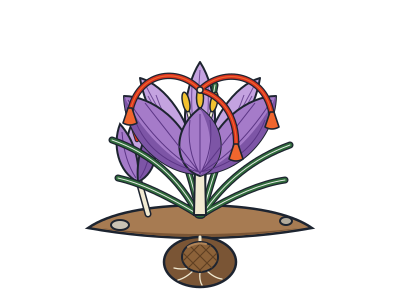
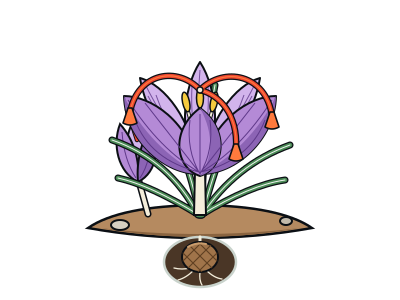
Vanilla and saffron both come from plants in this group. Vanilla comes from an orchid, and saffron comes from a crocus.
Not quite a century
The 'century plant' agave doesn't take 100 years to flower. It usually takes about 10 to 30 years. Then it sends up a flower stalk about 8 to 9 metres tall, and the main plant dies.
Inside orchids, onions and agaves
- OrchidsPerhaps the largest flower family, famous for tricking insects into pollinating them.
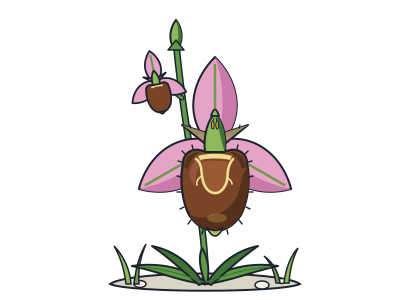
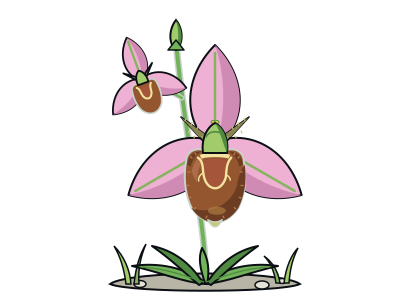
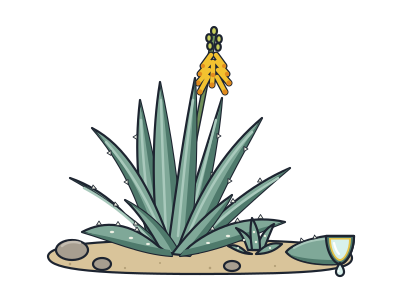
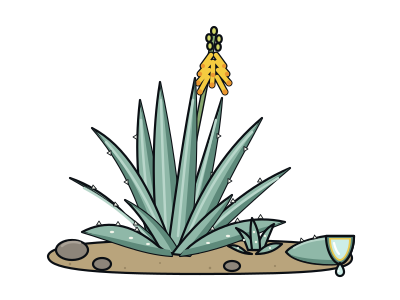
- Aloe veraA succulent whose cool gel has soothed sunburns for thousands of years.
- Onion familyOnions, garlic and daffodils are close cousins that grow from bulbs.
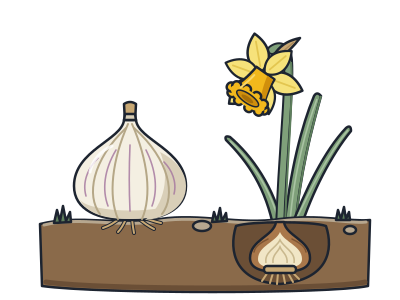
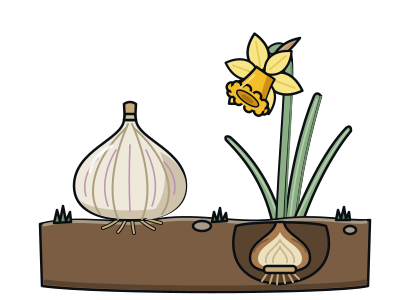
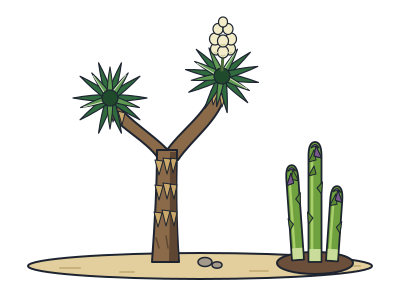
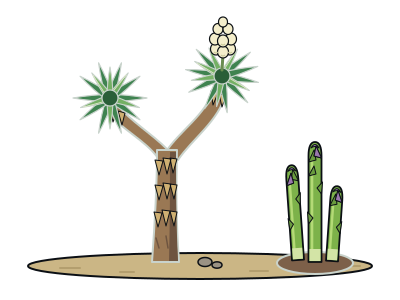
- Asparagus familyAsparagus spears, desert agaves, dragon trees and bluebells all share one family.
- Saffron crocusEach purple flower gives three red threads, the world's most expensive spice.
Next to it on the tree
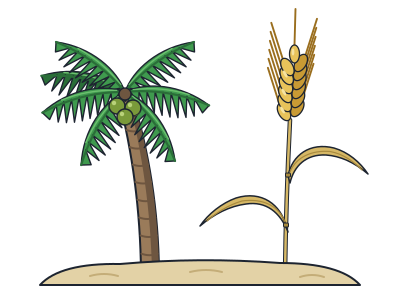
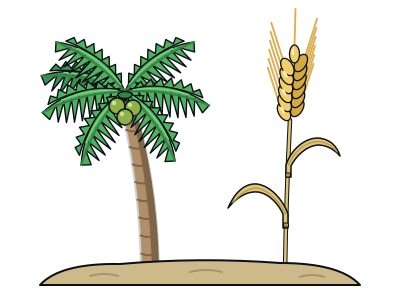
- Palms, grasses and gingersPalms, bananas, pineapples, ginger and grasses all share one ancestor.
- Arums and seagrassesWater-loving monocots, from house-plant arums to the only flowering plants that live in the sea.
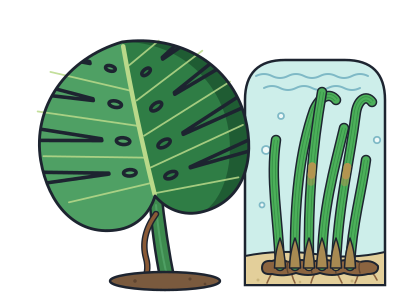
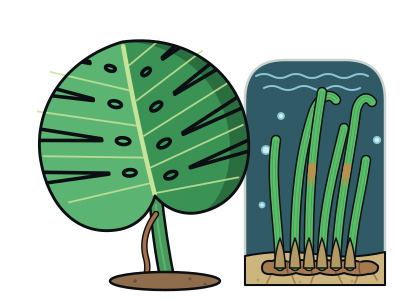
- LiliesShowy six-petalled flowers from bulbs, including lilies, tulips and the plant with the biggest flowering-plant genome.
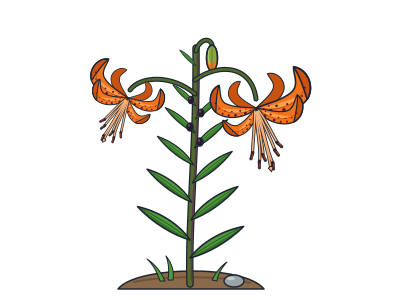
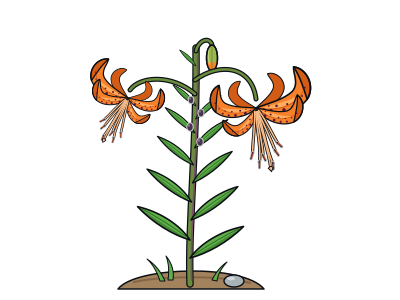
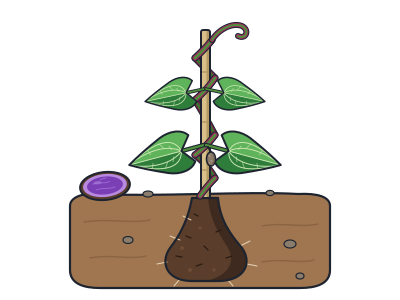
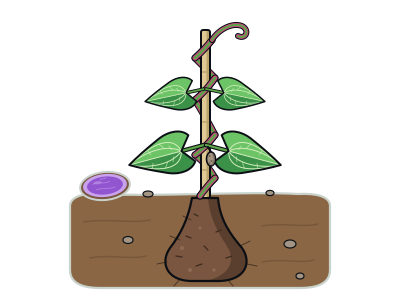
- Greater yamA climbing vine whose huge purple tubers are the ube of Filipino desserts.