A species
Aloe vera
Aloe vera
The spiky windowsill plant with a cool, clear jelly inside
You and the aloe vera meet in the Eukaryotes branch, shown at about 1.8 billion years ago (on 28 July, in a calendar from life's shared ancestor to today).
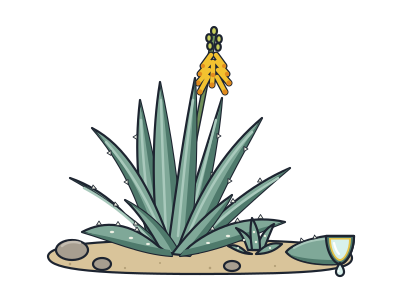
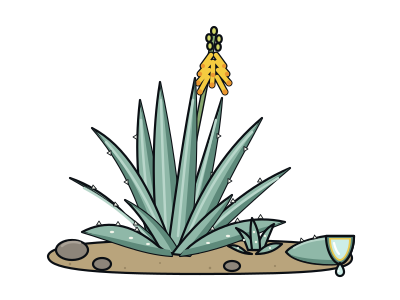
Break open a leaf of this spiky plant and you find a cool, clear jelly. People have used aloe as a medicine for thousands of years. Today its gel goes into many sunburn lotions. Studies suggest the gel may help burns heal faster and hurt less, but the evidence for sunburn is weaker.
It looks a lot like a cactus, but it isn't one. It is a succulent that belongs to the same big group of plants as onions, orchids and the dragon's blood tree. That group has about 36,000 species, more than any other group of monocots.
DNA studies suggest its wild home is the dry, rocky mountains of Oman and the United Arab Emirates. Its thick grey-green leaves can grow up to about 45 cm long, roughly one and a half school rulers, and they store water for dry times. To save even more water, it opens the tiny pores in its leaves mainly at night, when the air is cooler.
Not every part of the plant is gentle. A yellow sap just under the leaf skin can cause stomach cramps and diarrhoea if swallowed. Don't eat leaves from the plant, and keep it away from pets.
One of hundreds
Aloe vera is just one of more than 500 kinds of aloe. Most of them are African, and the aloe family line began in southern Africa about 16 million years ago.
Famous for its location
Scientists think this aloe probably became the world's favourite because it grew near busy ancient trade routes and was traded and grown early, not because it works better than other aloes.
The 'true' aloe
'Vera' is Latin for 'true'. The word 'aloe' probably comes from an Arabic word for a bitter, shiny substance.
Next to it on the tree
- OrchidsPerhaps the largest flower family, famous for tricking insects into pollinating them.
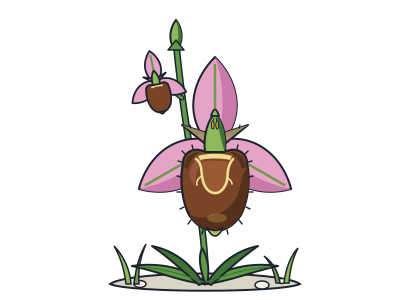
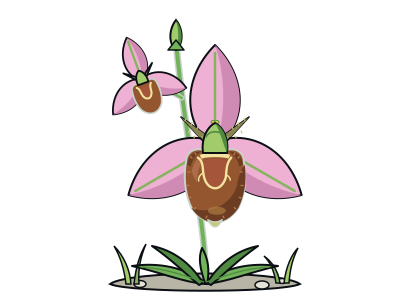
- Onion familyOnions, garlic and daffodils are close cousins that grow from bulbs.
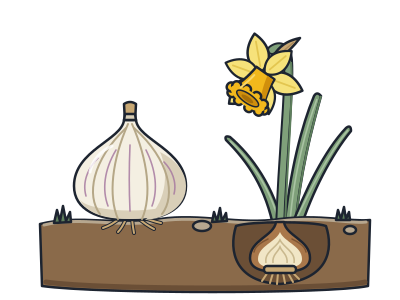
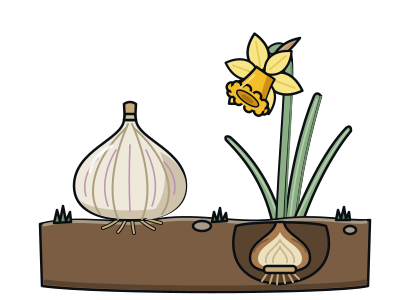
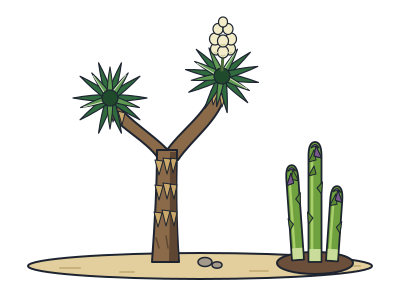
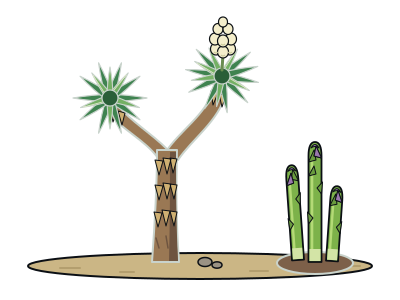
- Asparagus familyAsparagus spears, desert agaves, dragon trees and bluebells all share one family.
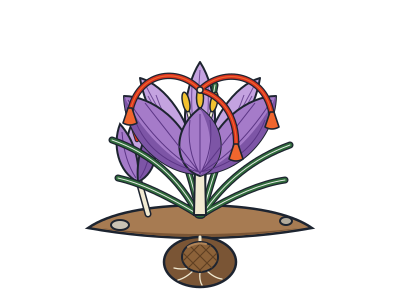
- Saffron crocusEach purple flower gives three red threads, the world's most expensive spice.