A group of living things
Asparagus family
Asparagaceae
From dinner-plate spears to desert giants, one surprising plant family
This branch is shown at about 60 million years ago; its age is a rough estimate.
You and asparagus family meet in the Eukaryotes branch, shown at about 1.8 billion years ago (on 28 July, in a calendar from life's shared ancestor to today).
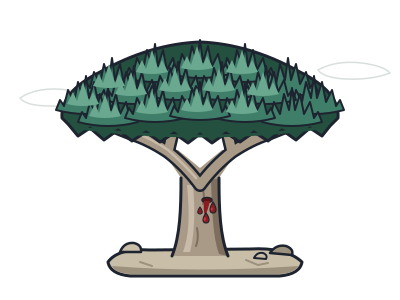
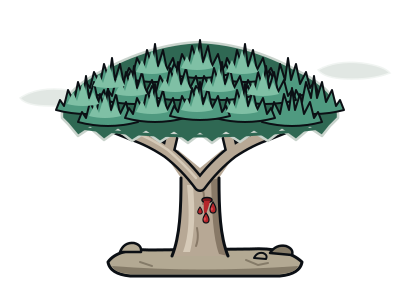
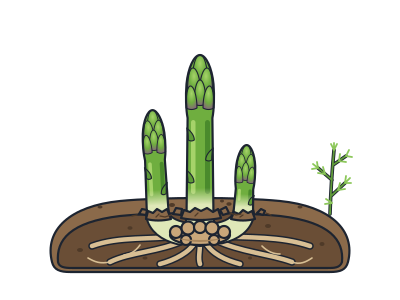
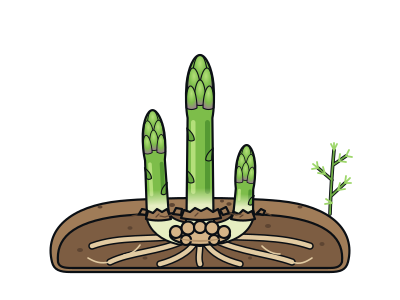
What do the asparagus spears on your dinner plate, a spiky agave in the desert, the umbrella-shaped dragon's blood tree and a carpet of spring bluebells have in common? They all belong to the same plant family. It is a huge and varied group, with more than 3,000 kinds of plant. They grow wild on every continent except Antarctica.
The family looks so mixed partly because botanists put it together quite recently. For a long time it was a small family built around asparagus. Then, in the 2000s, DNA studies showed that agaves, hyacinths and several other groups were close relatives of asparagus. Botanists decided to join these groups, which used to have families of their own, into this one.
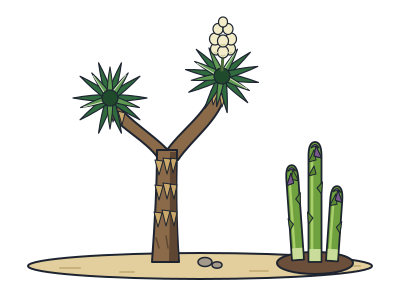
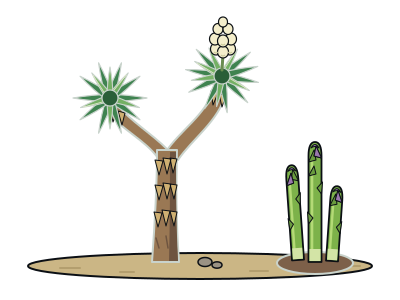
The sizes vary hugely, from small woodland bluebells to the Joshua tree of the Mojave Desert in the USA. A Joshua tree can grow up to about 12 metres, which is taller than a two-storey house. Despite its name, it is not a true tree like an oak, and it is not a cactus or a palm either. It is a giant yucca, and it depends on a small moth to pollinate its creamy flowers.
You probably have relatives of asparagus at home or in the garden too. Hostas, hyacinths, spider plants and snake plants are all members of this family.
Not quite a century
The century plant doesn't live for 100 years. It usually lives about 10 to 30 years. It flowers once, then dies, often leaving young side shoots to carry on.
Dragon's blood
The dragon's blood tree has a dark red resin. People have long used it for dye and medicine, and it is still used to varnish violins.
No tree rings
Joshua trees don't form normal growth rings, so their age is guessed from their height. They grow only about 1 to 7 cm a year.
Inside asparagus family
- Dragon's blood treeAn umbrella-shaped tree from Socotra that bleeds red resin.
- AsparagusThe spears are young shoots that can grow 15 centimetres in a day.
- Century plantGrows for decades, then sends up a flower stalk taller than a house and dies.
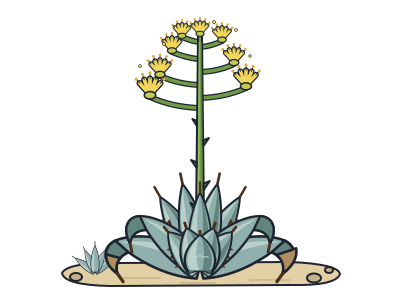
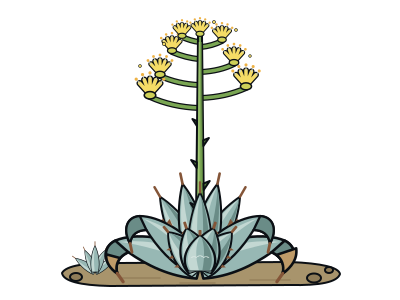
- Joshua treeA spiky desert tree of the Mojave that relies on one kind of moth to make seeds.
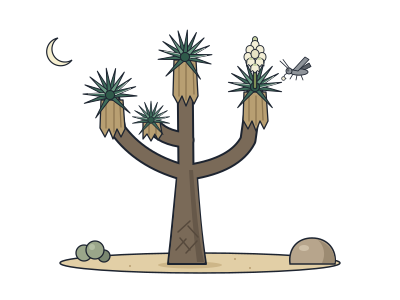
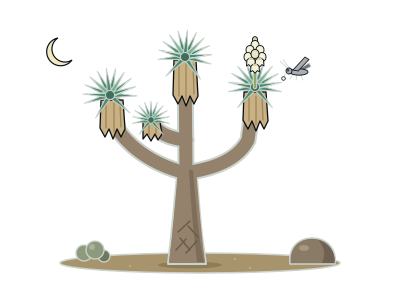
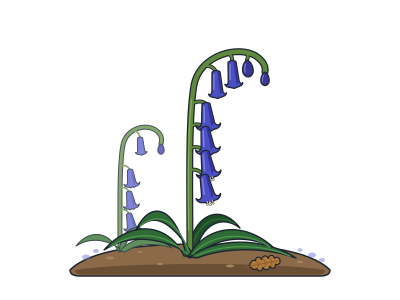
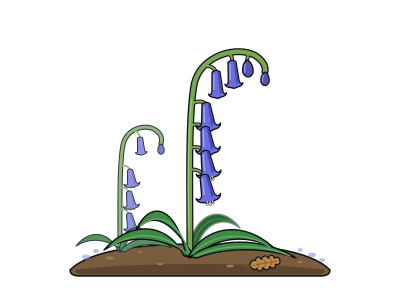
- BluebellCarpets British woods in blue each spring; half the world's bluebells grow in the UK.
Next to it on the tree
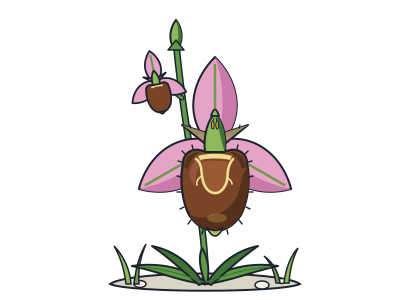
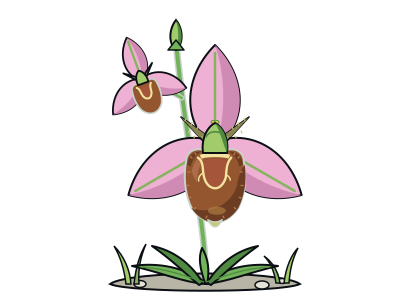
- OrchidsPerhaps the largest flower family, famous for tricking insects into pollinating them.
- Aloe veraA succulent whose cool gel has soothed sunburns for thousands of years.
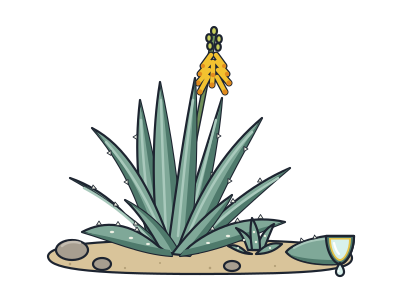
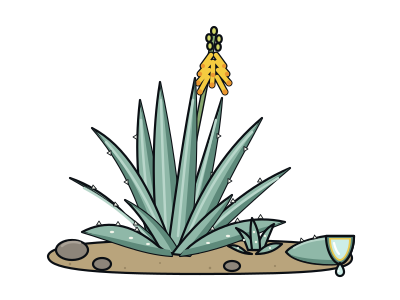
- Onion familyOnions, garlic and daffodils are close cousins that grow from bulbs.
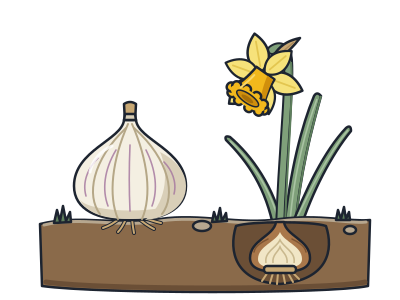
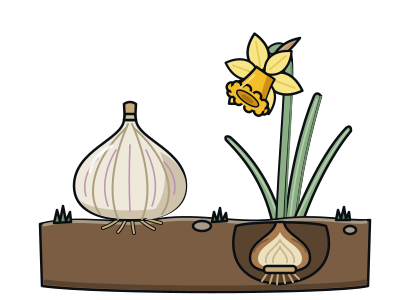
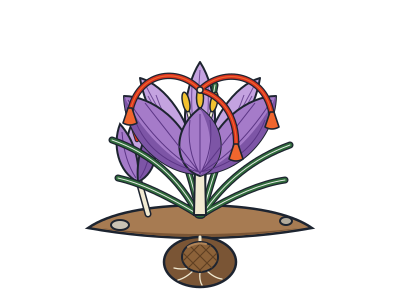
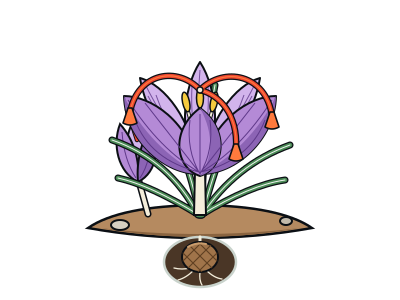
- Saffron crocusEach purple flower gives three red threads, the world's most expensive spice.