A species
Century plant
Agave americana
It waits for decades, flowers once in a giant way, and then dies.
You and the century plant meet in the Eukaryotes branch, shown at about 1.8 billion years ago (on 28 July, in a calendar from life's shared ancestor to today).
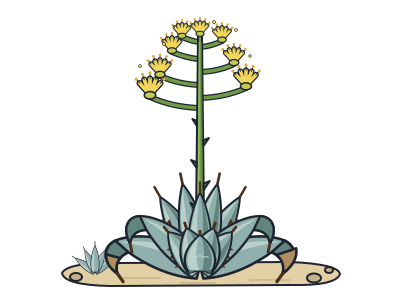
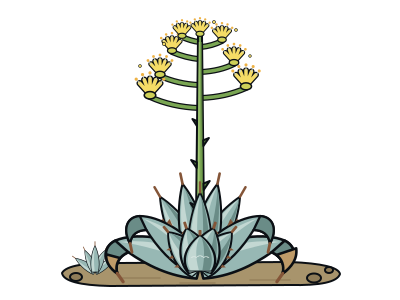
For many years the century plant doesn't seem to do much. It sits on the ground as a huge, spiky rosette of thick, grey-green to blue-grey leaves. All that time it quietly stores sugar in its centre.
Then, usually after about 8 to 30 years, it flowers just once. A single thick stalk shoots up from the middle, often to about 6 to 9 metres. That is about as tall as a two- or three-storey building. The plant uses up all its stored energy on this one show, and then it dies.
As the young stalk rises, it looks like a giant asparagus spear. There is a family link here too: asparagus belongs to the same plant family. Near the top, the stalk grows branches out to the sides, like a candelabra. Each branch holds clusters of pale yellow flowers.
So despite its name, it doesn't wait a hundred years. And its story doesn't quite end when it dies. Around its base it grows 'pups', small new plants that are genetic copies of the parent. When the parent withers, the pups carry on, so in a way the plant lives on.
A giant bloom in 2026
A century plant at Purdue University in the USA, nicknamed 'Alice', flowered in 2026 after about 30 years. Its stalk grew about 15 to 20 cm a day and reached about 13 metres. The plant weighed roughly 270 to 320 kilograms, about as much as four adults.
Handle with care
Its sap can cause a painful skin rash that lasts a long time. Each leaf also ends in a sharp spine, so gardeners are told to plant it at least about 2 metres from paths.
Big even without flowers
Even before it flowers, the rosette of leaves can stand about 1.8 metres tall, about as tall as a tall adult. It can spread about 2.5 to 3 metres wide.
Next to it on the tree
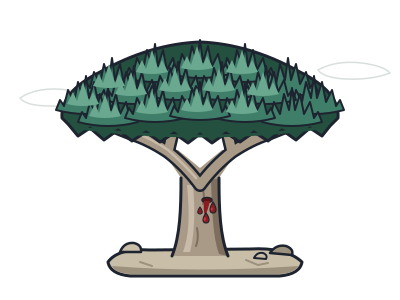
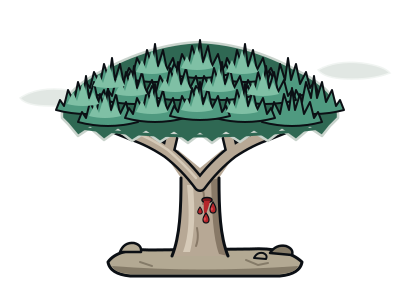
- Dragon's blood treeAn umbrella-shaped tree from Socotra that bleeds red resin.
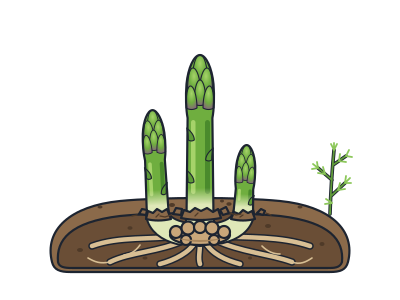
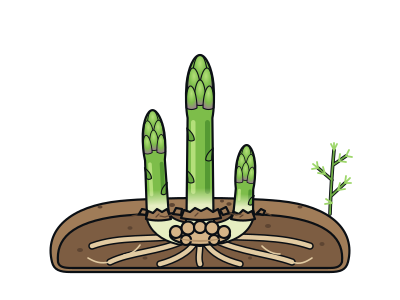
- AsparagusThe spears are young shoots that can grow 15 centimetres in a day.
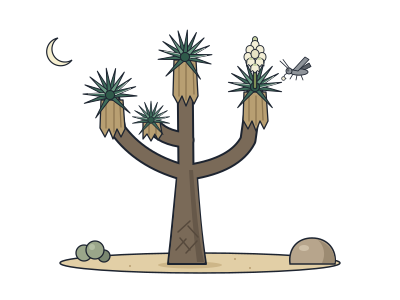
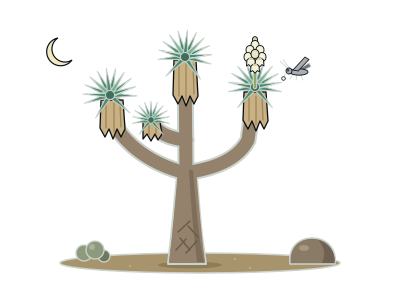
- Joshua treeA spiky desert tree of the Mojave that relies on one kind of moth to make seeds.
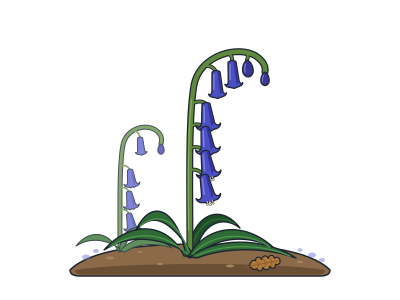
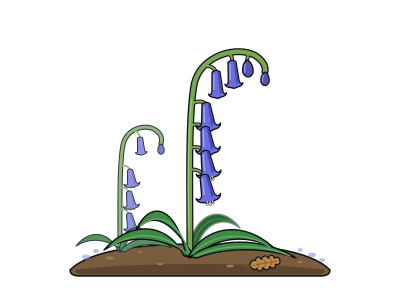
- BluebellCarpets British woods in blue each spring; half the world's bluebells grow in the UK.