A species
Joshua tree
Yucca brevifolia
A spiky desert giant that needs one tiny moth to make its seeds
You and the joshua tree meet in the Eukaryotes branch, shown at about 1.8 billion years ago (on 28 July, in a calendar from life's shared ancestor to today).
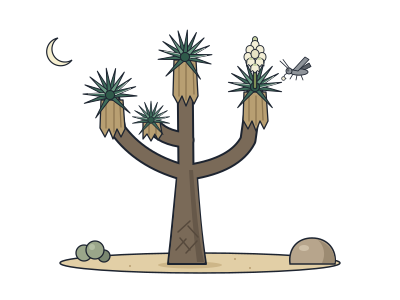
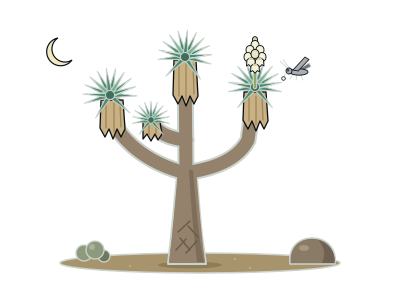
This spiky, shaggy tree of the Mojave Desert cannot make seeds without one kind of small grey moth, only about 6 millimetres long. The female moth has tentacles near her mouth. Only yucca moths have these. She uses them to scrape pollen from a flower and roll it into a tiny ball. Then she flies to another flower, lays her eggs inside it and pushes the pollen in on purpose.
When the caterpillars hatch, they eat some of the growing seeds. These seeds are their only food. The seeds that are left can grow into new Joshua trees. So the moth gets food for its young, and the tree gets its next generation. If a flower holds too many eggs, the tree can drop it, which stops the caterpillars eating too many seeds.
Despite its looks, it is not a cactus or a palm. It is a giant relative of the century plant and asparagus, in the same big group of plants as grasses and orchids. Its trunk is made of fibres and has no yearly rings, so it is hard to tell how old a tree is. Some reach about 12 metres, as tall as a four-storey building, yet grown trees add only a few centimetres a year.
Ice Age snack
During the Ice Age, the Shasta ground sloth, which is now extinct, ate Joshua trees. Its fossilised dung holds plenty of Joshua tree remains, including whole seeds and fruits. These sloths died out about 13,000 years ago.
Waiting for frost
Joshua trees do not flower every year. They need well-timed rain and a crisp winter freeze, and a tree may not bloom until it is around 50 to 70 years old. In good years they flower from about February to April.
Far-reaching roots
Joshua tree roots spread widely underground. Roots have been found about 11 metres from the nearest tree, about the length of a bus.
Next to it on the tree
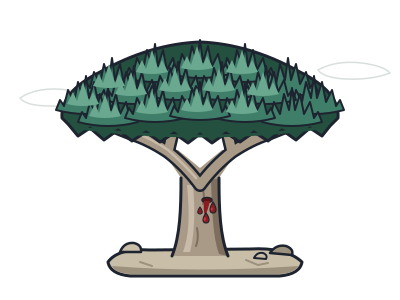
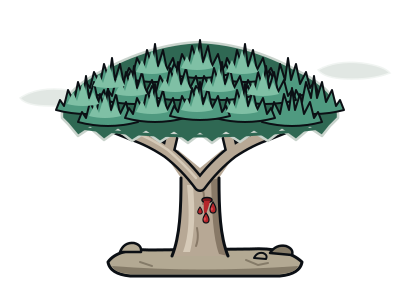
- Dragon's blood treeAn umbrella-shaped tree from Socotra that bleeds red resin.
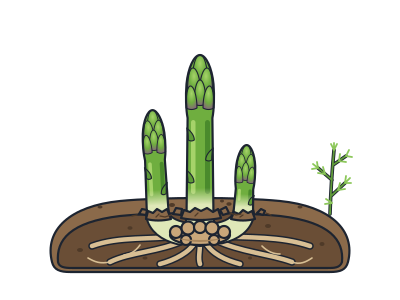
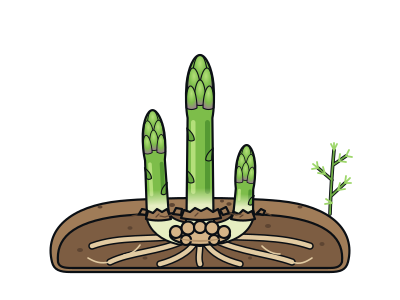
- AsparagusThe spears are young shoots that can grow 15 centimetres in a day.
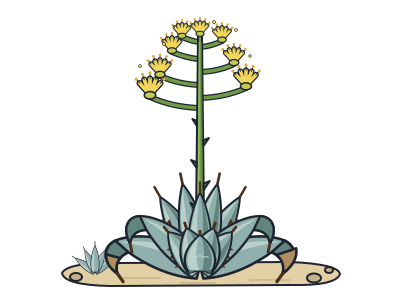
- Century plantGrows for decades, then sends up a flower stalk taller than a house and dies.
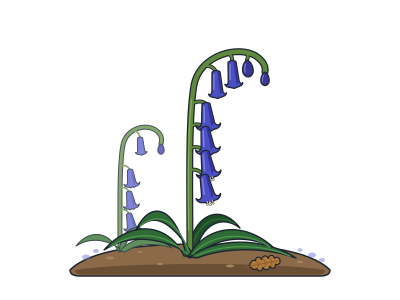
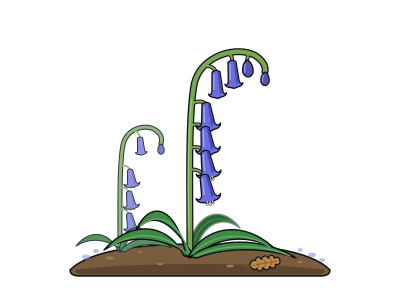
- BluebellCarpets British woods in blue each spring; half the world's bluebells grow in the UK.