A species
Saffron crocus
Crocus sativus
Three red threads per flower make the world's most expensive spice.
You and the saffron crocus meet in the Eukaryotes branch, shown at about 1.8 billion years ago (on 28 July, in a calendar from life's shared ancestor to today).
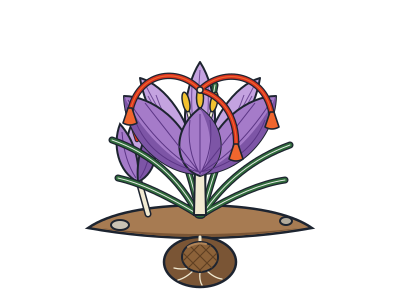
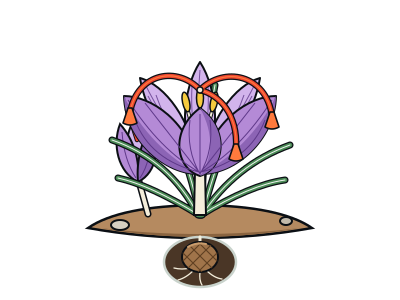
Each purple flower of the saffron crocus holds just three deep red threads. These threads are picked by hand and dried to make saffron, the world's most expensive spice. It takes roughly 150,000 flowers to make about 1 kilogram. That is why top-quality saffron can sell for more than US$5,000 a kilo.
This small plant belongs to the iris family, along with irises, gladioli and freesias. That family sits in a larger group that also holds orchids, onions and asparagus. So this luxury spice is a distant relative of the everyday onion in your kitchen.
Surprisingly, the saffron crocus is not known in the wild. It has three sets of chromosomes instead of the usual two, so it cannot make seeds. Instead, each underground corm makes new corms, and people dig them up, split them and replant them. For thousands of years, farmers have kept the crop going this way.
Genetic studies suggest it first appeared in Greece, from a single wild crocus species. People have been growing it for more than 3,500 years.
Red threads, golden food
Saffron threads are red, but they turn food golden-yellow. The colour comes mainly from a chemical called crocin, which spreads out when the threads soak in water or food.
Faking it was dangerous
People have sold fake saffron for centuries. In medieval Nuremberg in Germany, people caught faking saffron could be fined, jailed or even put to death.
One country grows most of it
Iran grows about 90% of the world's saffron. Afghanistan is the second-biggest grower.
Next to it on the tree
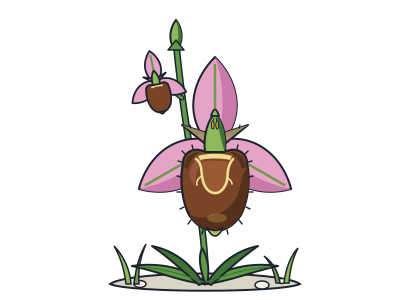
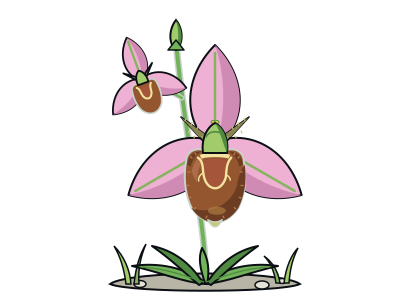
- OrchidsPerhaps the largest flower family, famous for tricking insects into pollinating them.
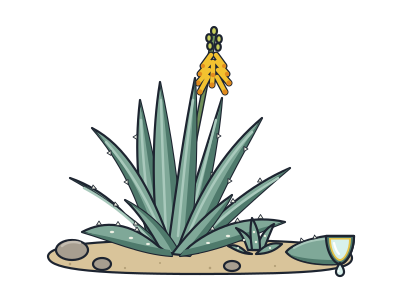
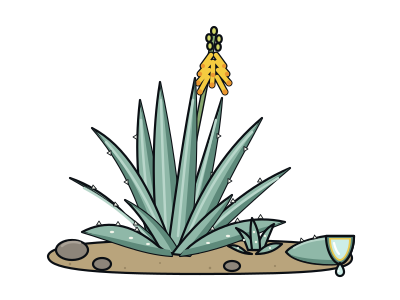
- Aloe veraA succulent whose cool gel has soothed sunburns for thousands of years.
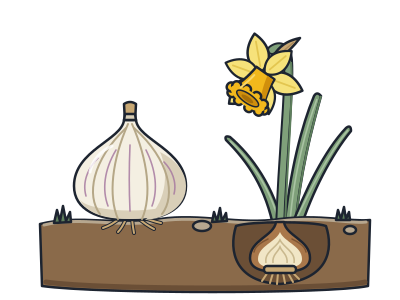
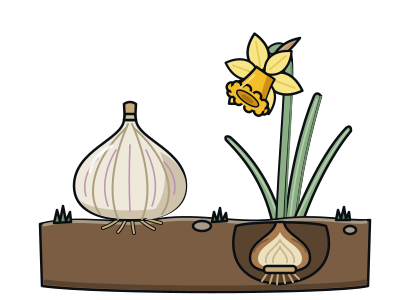
- Onion familyOnions, garlic and daffodils are close cousins that grow from bulbs.
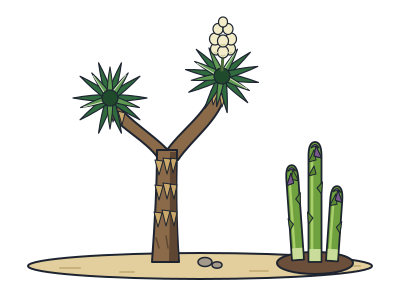
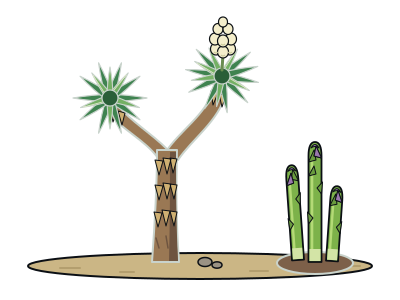
- Asparagus familyAsparagus spears, desert agaves, dragon trees and bluebells all share one family.