A group of living things
Magnolias and kin
Magnoliidae
Big, simple flowers, and the plants behind some of your favourite spices
This branch is shown at about 125 million years ago; its age is a rough estimate.
You and magnolias and kin meet in the Eukaryotes branch, shown at about 1.8 billion years ago (on 28 July, in a calendar from life's shared ancestor to today).
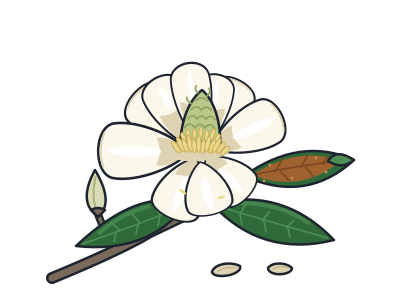
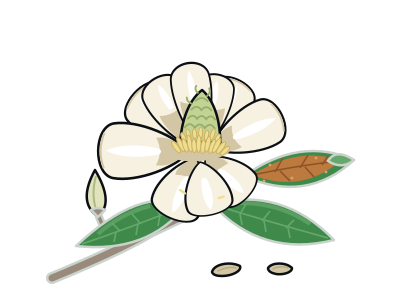
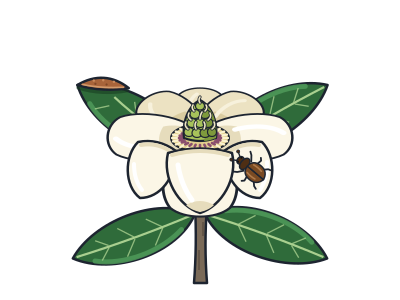
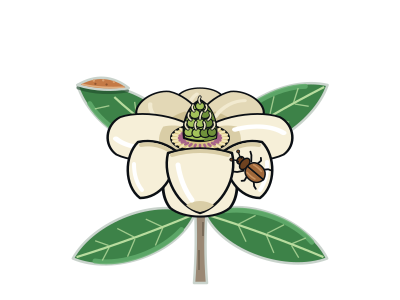
A southern magnolia flower can be as wide as a dinner plate, yet its plan is simple. Its creamy petal-like parts all look alike. In the middle is a cone-like column. Many stamens crowd around its base, and many carpels sit above them, both arranged in a spiral. Botanists have long seen this kind of flower as an old-fashioned design among flowering plants.
Magnolias are just one part of this big group. Their relatives include the trees that give us avocados, cinnamon, bay leaves and nutmeg. The vine that gives us black pepper belongs here too. Many members have flower parts in threes and leaves with a net of veins. Many also have tiny oil cells that give them strong smells. That is why several of them end up in our kitchens as spices.
There are more than 10,000 species, which makes this the third-largest group of flowering plants. They are neither monocots nor eudicots, the two big groups often taught at school. Instead they form a separate branch of their own.
Magnolias are ancient. Fossils from their family are about 95 million years old, from the time of the dinosaurs. Even so, they are not the ancestors of all flowers. Other lines, such as the water lilies, branched off earlier.
Flowers that take turns
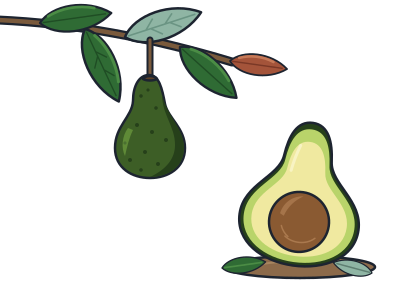
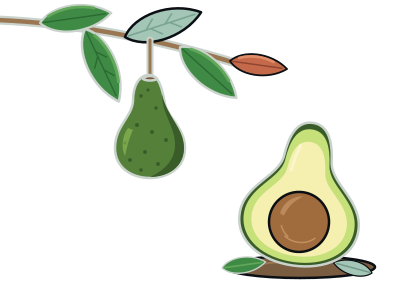
Each avocado flower opens as a female on one day and as a male on the next. Different avocado varieties keep different timetables.
A state symbol
Southern magnolia grows wild in the south-eastern United States. It is the state flower of Louisiana and the state tree of Mississippi.
A long-lived species
Fossils of the cucumber tree magnolia, a species still alive today, are about 20 million years old.
Inside magnolias and kin
- Southern magnoliaIts huge flowers evolved for beetles, since bees were still rare when the lineage began.
- AvocadoA giant seed that may have been spread by extinct giant ground sloths.
- Black pepperThe world's most traded spice: the dried berries of a tropical climbing vine.
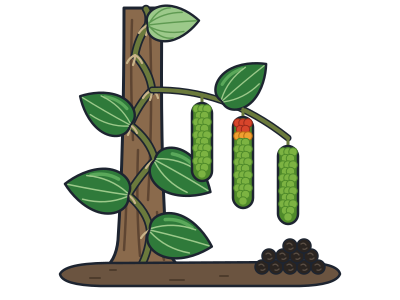
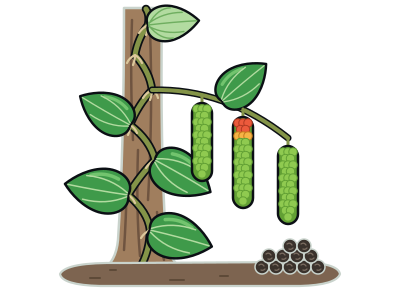
- CinnamonCinnamon sticks are curled strips of inner bark from a laurel-family tree.
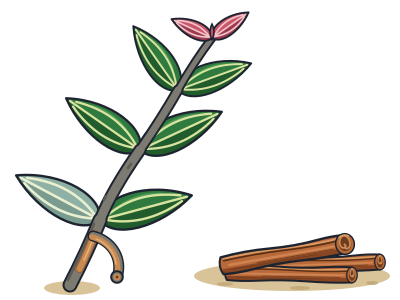
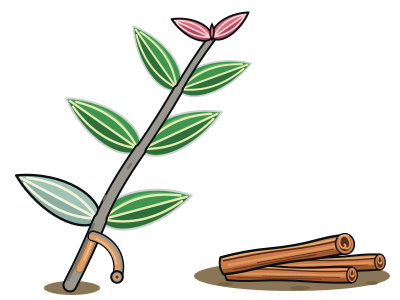
- NutmegOne fruit gives two spices, nutmeg and mace, once worth more than gold.
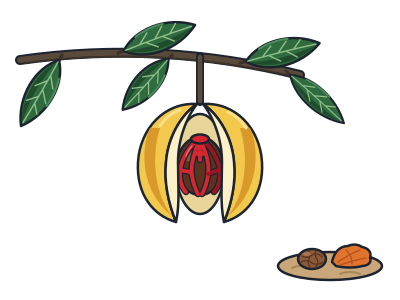
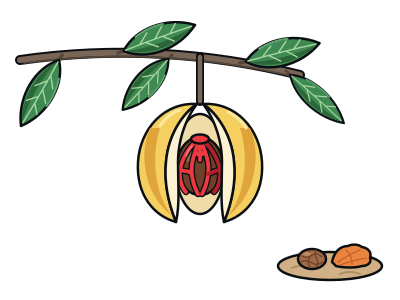
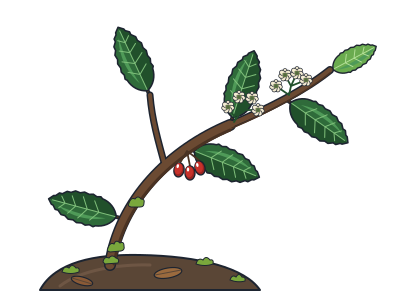
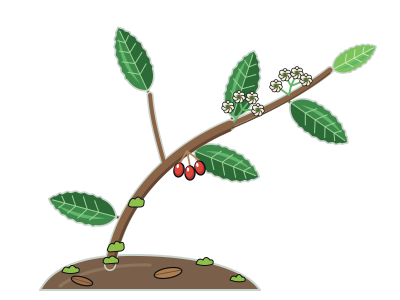
- Bay laurelIts leaves flavour stews, and ancient Greeks wove them into winners' crowns.
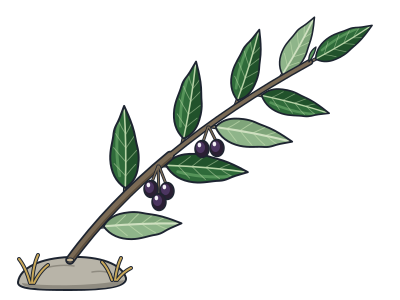
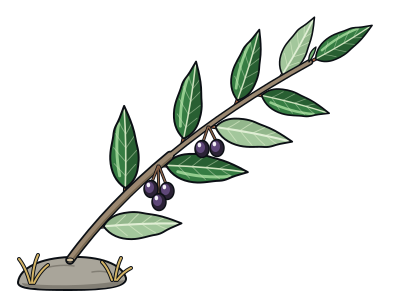
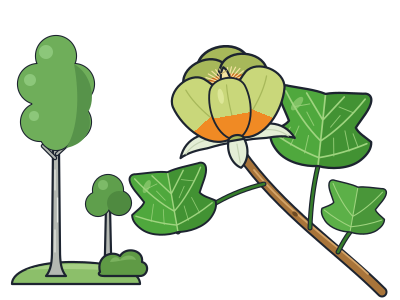
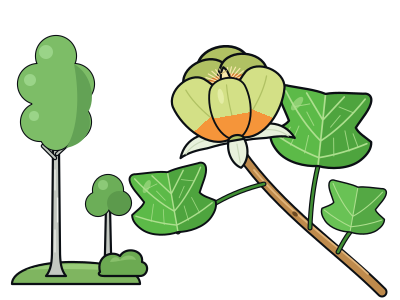
- Tulip treeA tall forest tree with tulip-shaped flowers and leaves like cat faces.
Next to it on the tree
- AmborellaA shrub found only in New Caledonia: the sister of every other flowering plant.
- Giant water lilyLily pads strong enough to hold a small child, from one of the oldest flower lineages.
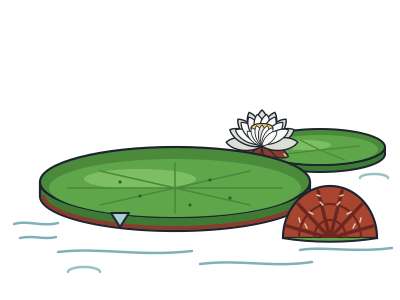
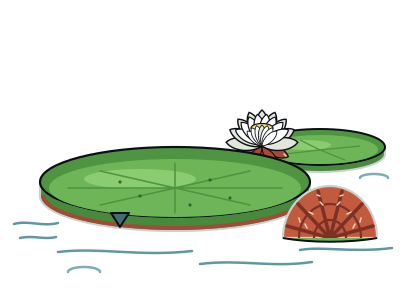
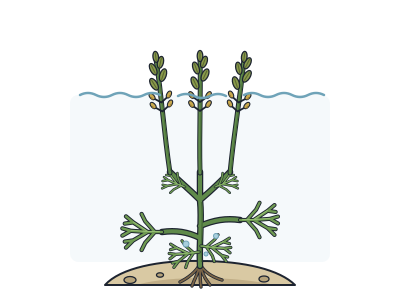
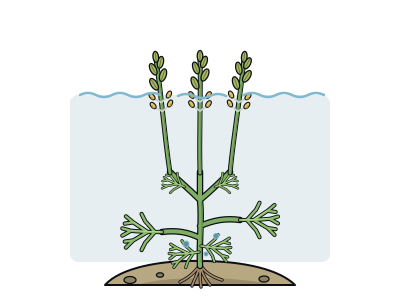
- ArchaefructusA 125-million-year-old water plant from China with some of the earliest known flowers.
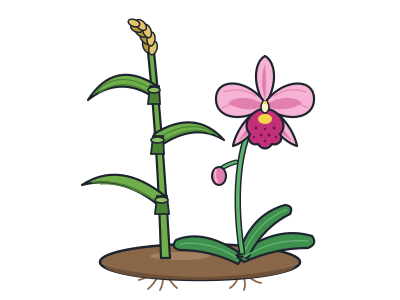
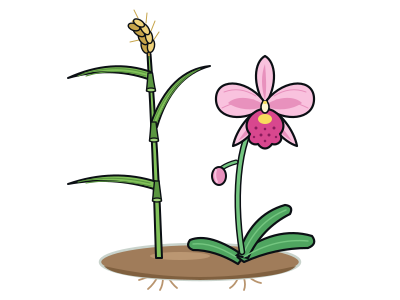
- MonocotsPlants that sprout one seed-leaf, from grasses and orchids to palms and bananas.
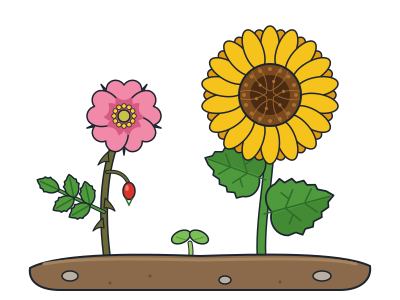
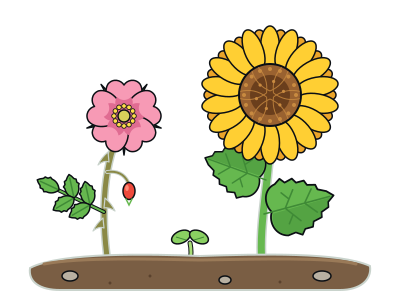
- EudicotsMost flowering plants, with two seed-leaves, from roses and beans to sunflowers.
- MontsechiaA 130-million-year-old underwater flowering plant from Spain, among the oldest known.
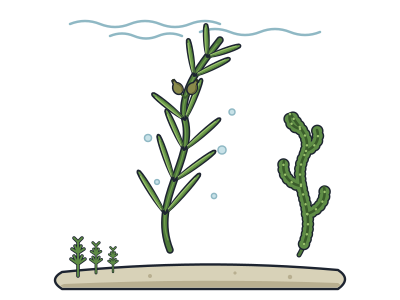
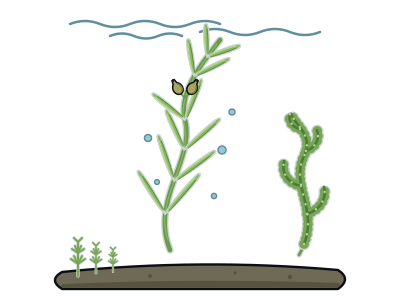
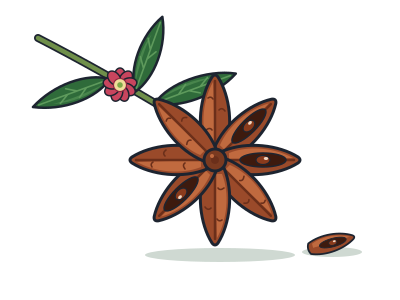
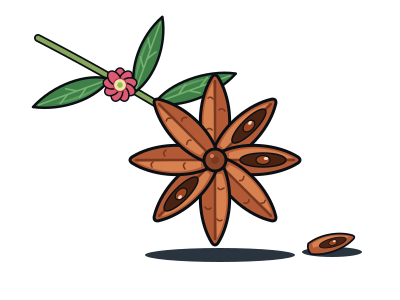
- Star aniseA spice shaped like an eight-pointed star, from one of the oldest flowering-plant branches.