A species
Black pepper
Piper nigrum
The world's most traded spice grows on a climbing vine
You and the black pepper meet in the Eukaryotes branch, shown at about 1.8 billion years ago (on 28 July, in a calendar from life's shared ancestor to today).
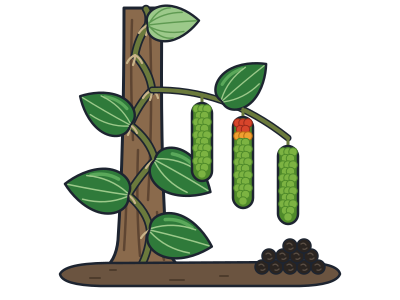
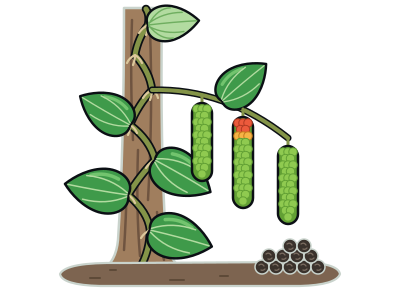
The pepper in your grinder is the world's most traded spice, and it grows on a vine. Each peppercorn is a tiny fruit, a bit smaller than a pea. It is picked from a woody climbing plant and dried until it turns dark and wrinkled.
The vine comes from warm, rainy forests in south-western India. There it climbs tree trunks in partial shade, gripping the bark with short roots that sprout from its stem. In the wild it can reach about 10 metres, roughly as tall as a three-storey building. Its tiny flowers have no showy petals. They hang in thin spikes that ripen into long strings of berries, like a skinny bunch of grapes.
Pepper's family links are surprising. It belongs to a group of thousands of flowering plants called magnoliids, which also includes magnolia trees, avocados and cinnamon. Chillies share the name 'pepper', but they are not close relatives. They come from the Americas, and Europeans named them after the spice because they used them in its place.
Black, white and green pepper all come from this one plant. Black pepper is unripe fruit that is dipped briefly in hot water and then dried. White pepper is the seed of ripe fruit with the outer flesh removed. Green pepper is unripe fruit kept fresh by pickling or drying.
A pharaoh's peppercorns
Black peppercorns were found stuffed in the nostrils of the Egyptian pharaoh Ramesses II, placed there when his body was mummified.
Pepper as ransom
In 408 AD the Visigoth king Alaric I surrounded Rome. Part of the price paid to make him leave was 3,000 pounds of pepper, more than a tonne.
Black gold
Pepper was once so valuable that people used it like money to pay taxes. Its nickname was 'black gold', and the hunt for it helped push European sailors to explore the world.
Next to it on the tree
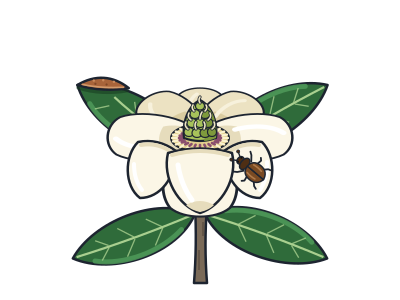
- Southern magnoliaIts huge flowers evolved for beetles, since bees were still rare when the lineage began.
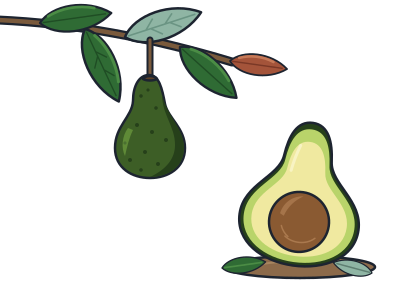
- AvocadoA giant seed that may have been spread by extinct giant ground sloths.
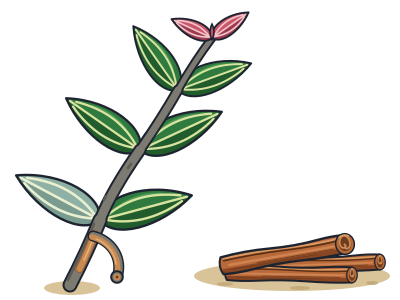
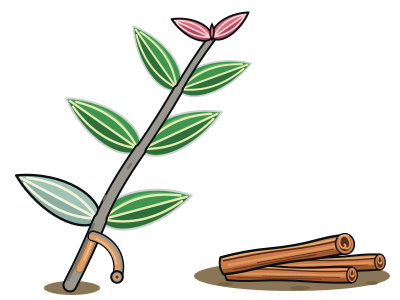
- CinnamonCinnamon sticks are curled strips of inner bark from a laurel-family tree.
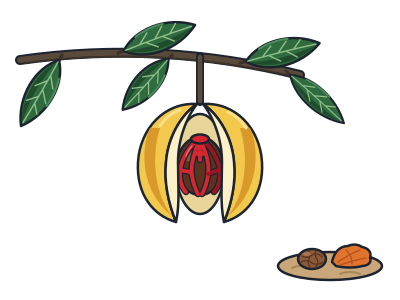
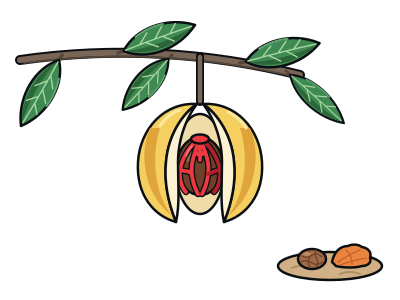
- NutmegOne fruit gives two spices, nutmeg and mace, once worth more than gold.
- Bay laurelIts leaves flavour stews, and ancient Greeks wove them into winners' crowns.
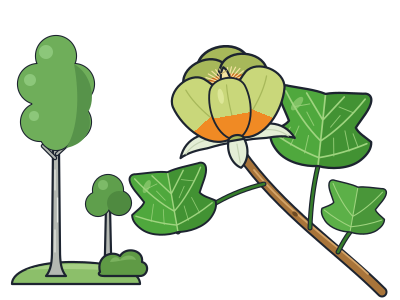
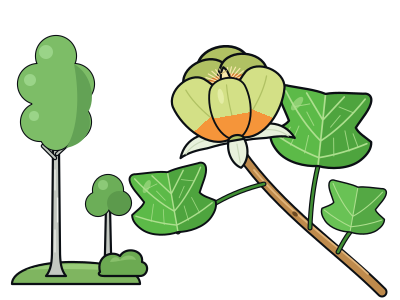
- Tulip treeA tall forest tree with tulip-shaped flowers and leaves like cat faces.