A species
Cinnamon
Cinnamomum verum
The spice in your cupboard is the curled inner bark of an avocado relative.
You and the cinnamon meet in the Eukaryotes branch, shown at about 1.8 billion years ago (on 28 July, in a calendar from life's shared ancestor to today).
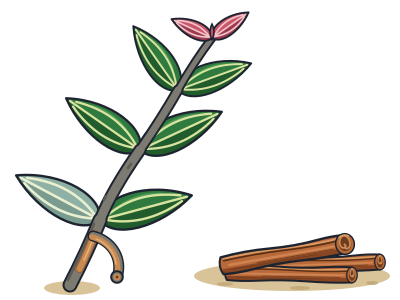
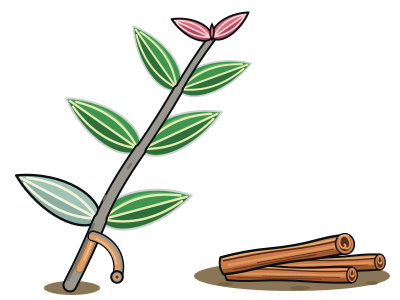
A cinnamon stick is not a twig. It is a curled strip of inner bark from an evergreen tree in the laurel family. That family also includes avocado, bay leaves, camphor and sassafras. So the spice on your toast and the avocado beside it come from plants in the same family.
To make the spice, workers scrape off the outer bark. Then they loosen the thin inner layer by rubbing it with a brass rod and peel it away in strips. As the strips dry, they curl into rolls called quills. A true cinnamon stick has many fine layers rolled together, so from the end it looks like a cut cigar.
Harvesting does not kill the plant. Growers cut it back to the ground, and lots of new shoots grow up for the next harvest. The first harvest comes after about three years. A plant can keep producing well for about 40 to 50 years. On farms it is kept as a leafy bush no taller than about 3 metres. Left alone, it grows into a tree about 10 to 15 metres tall, about as tall as a three- or four-storey building.
The tree comes from Sri Lanka, which still grows about 80 to 90 per cent of the world's true cinnamon.
Most shop cinnamon is a stand-in
Most cinnamon sold around the world comes from related trees, mainly Chinese cassia. A cassia stick is usually a single thick, hard roll of bark.
Smelly oils as armour
Laurel-family plants are full of strong-smelling oils. These help protect them from animals that would eat them.
A tall tale about birds
The ancient Greek writer Herodotus told of giant birds that built nests from cinnamon sticks on cliffs. The Roman writer Pliny the Elder later said traders made the story up to push prices higher.
Next to it on the tree
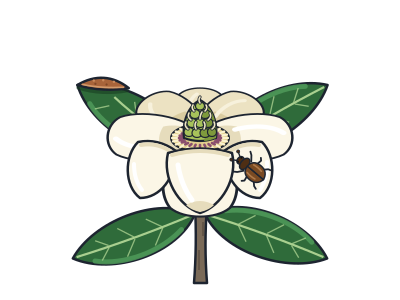
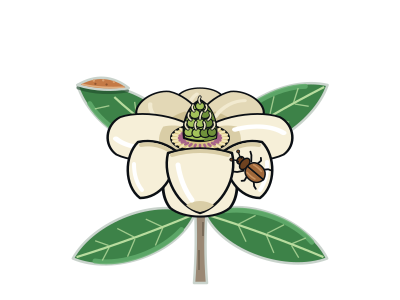
- Southern magnoliaIts huge flowers evolved for beetles, since bees were still rare when the lineage began.
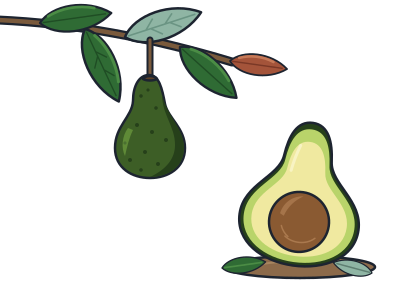
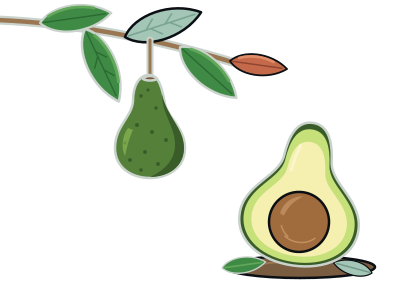
- AvocadoA giant seed that may have been spread by extinct giant ground sloths.
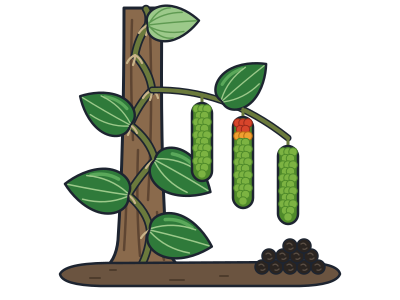
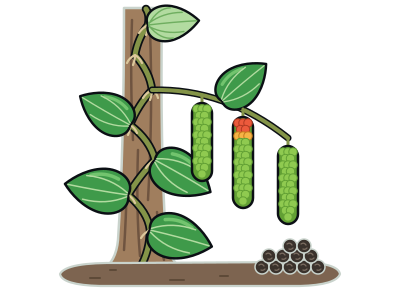
- Black pepperThe world's most traded spice: the dried berries of a tropical climbing vine.
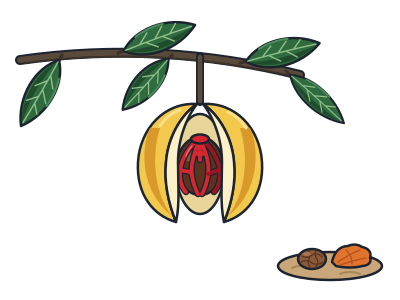
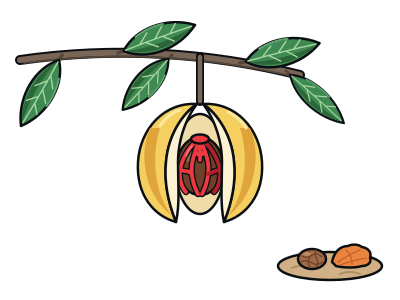
- NutmegOne fruit gives two spices, nutmeg and mace, once worth more than gold.
- Bay laurelIts leaves flavour stews, and ancient Greeks wove them into winners' crowns.
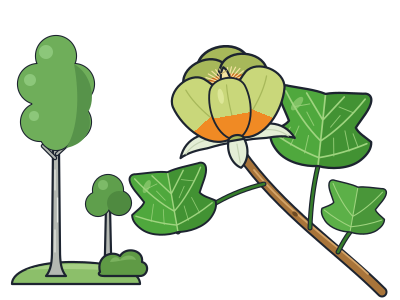
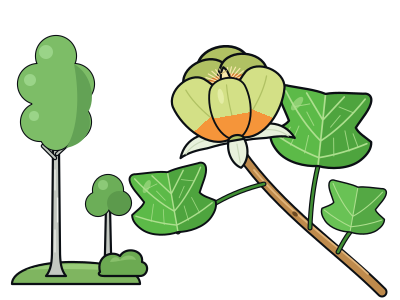
- Tulip treeA tall forest tree with tulip-shaped flowers and leaves like cat faces.