A species
Giant water lily
Victoria amazonica
Lily pads strong enough to hold a small child, from one of the oldest flower lineages.
You and the giant water lily meet in the Eukaryotes branch, shown at about 1.8 billion years ago (on 28 July, in a calendar from life's shared ancestor to today).
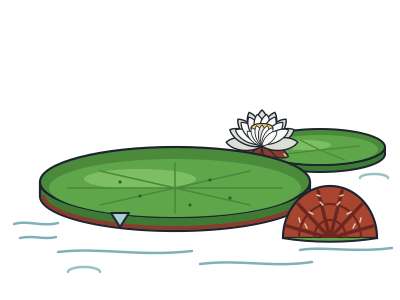
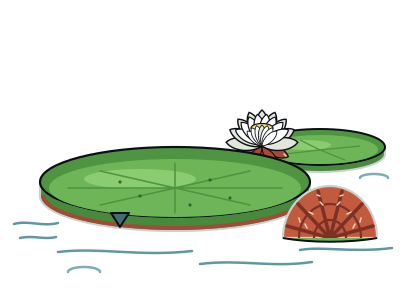
A leaf strong enough to hold a small child? The giant water lily has one. Its round floating pads can grow up to about 3 metres across. That is wider than a tall adult lying down, with room to spare. A pad can hold the weight of a small child if the load is spread out, for example on a board.
The secret is underneath. The pad itself is thin, and a big one weighs only about 6 kg. Thick ribs spread out from the centre and criss-cross into a grid. This makes the pad far stiffer than a flat sheet made from the same amount of material. Air spaces help keep it light and afloat. Sharp spines guard the underside, and the upturned rim has a notch to let rainwater out.
This plant belongs to one of the oldest branches of the flowering plants. Water lilies split off very early from the rest, and their fossils go back more than 100 million years. That makes them cousins of other flowering plants such as magnolias and true lilies, not their ancestors. Despite its name, it is not a true lily at all.
The flowers open at night. On the first evening they are white and give off a sweet, fruity smell. Beetles drawn to them get shut inside for about a day. On the second night the flowers turn pink, then sink below the water.
Speedy grower
A leaf can grow about 40 cm in a single day.
A daughter on a leaf
In 1849, gardener Joseph Paxton was the first to get the plant to flower in England. He tested a leaf's strength by floating his daughter Annie on it. Ideas from his glasshouse work later fed into the Crystal Palace of 1851.
Lost in the collection
A third giant water lily species, from Bolivia, was named in 2022. Its specimens had sat wrongly filed in Kew's collection of pressed plants for 177 years. It has the biggest leaves of any water lily, with a record of about 3.2 metres across.
Next to it on the tree
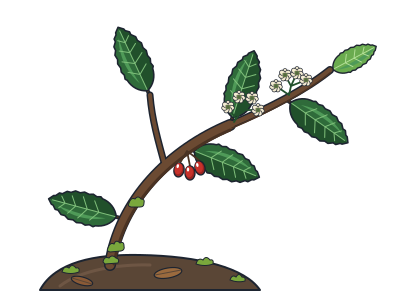
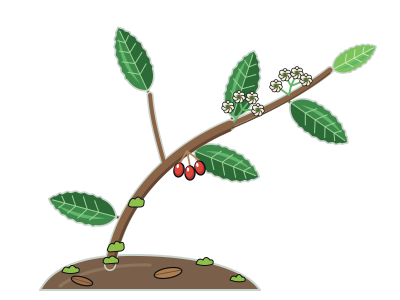
- AmborellaA shrub found only in New Caledonia: the sister of every other flowering plant.
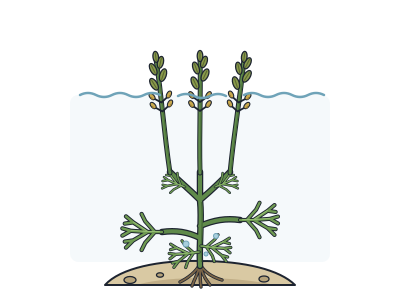
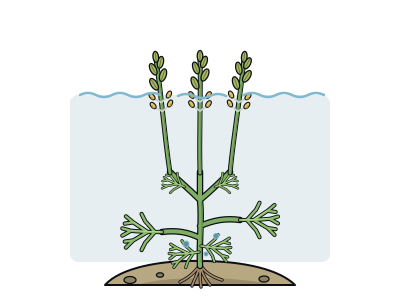
- ArchaefructusA 125-million-year-old water plant from China with some of the earliest known flowers.
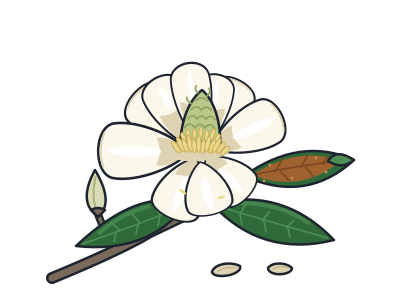
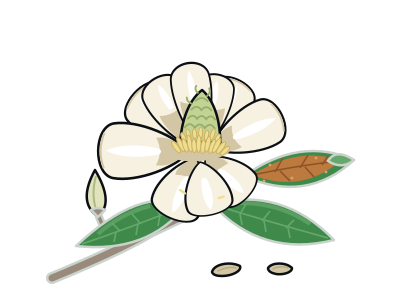
- Magnolias and kinBig, simple flowers and aromatic trees, including spices and avocados.
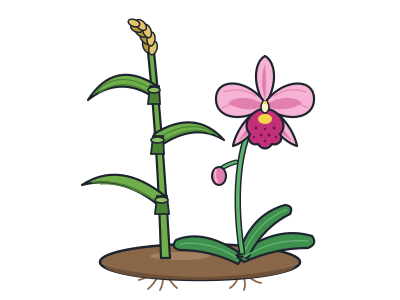
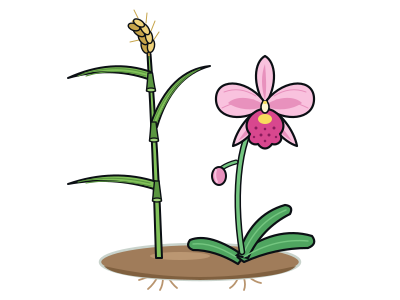
- MonocotsPlants that sprout one seed-leaf, from grasses and orchids to palms and bananas.
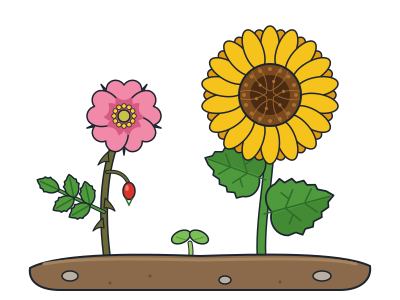
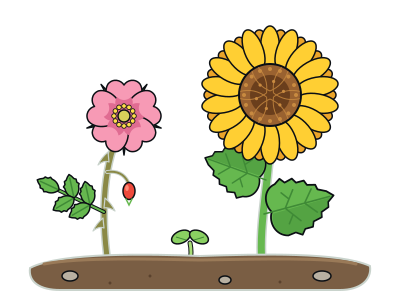
- EudicotsMost flowering plants, with two seed-leaves, from roses and beans to sunflowers.
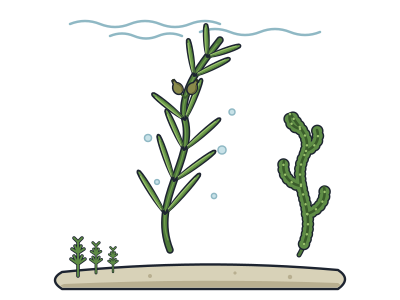
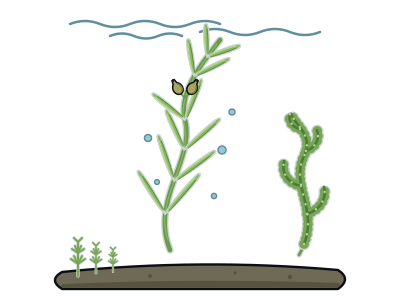
- MontsechiaA 130-million-year-old underwater flowering plant from Spain, among the oldest known.
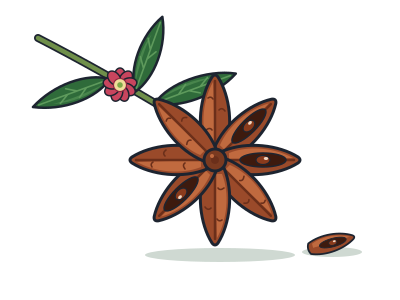
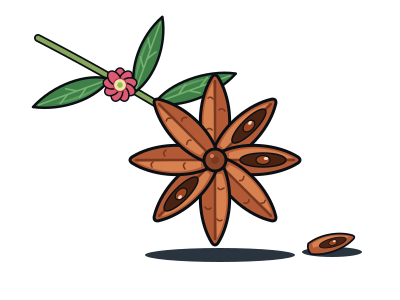
- Star aniseA spice shaped like an eight-pointed star, from one of the oldest flowering-plant branches.