A species
Star anise
Illicium verum
A spice shaped like a star, from one of the oldest branches of flowering plants.
You and the star anise meet in the Eukaryotes branch, shown at about 1.8 billion years ago (on 28 July, in a calendar from life's shared ancestor to today).
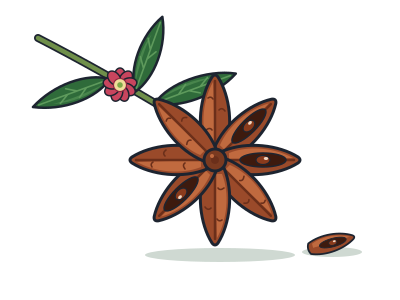
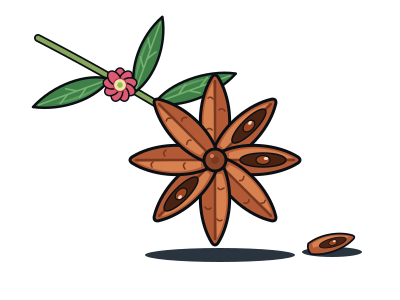
That star in your spice jar, often with eight points, is a fruit. Each point is a small woody pod shaped like a boat. There are usually six to eight pods in a ring, and each holds one shiny brown seed. The fruit grows on an evergreen tree that comes from the forests of south China and north-east Vietnam.
The real surprise is where it sits on the tree of life. Star anise belongs to a small group of about 100 kinds of trees, shrubs and climbing vines. This group is one of three early branches of flowering plants. The other two are Amborella and the water lilies. After Amborella and the water lilies branched off, star anise's group split from all the remaining flowering plants, including magnolias, grasses, orchids, roses, daisies and beans. Fossils of the group go back about 100 million years, to the time of the dinosaurs.
Branching off early does not make a plant 'primitive'. Star anise has had just as long to evolve as a rose.
It tastes of aniseed because it contains anethole, the same flavour chemical found in anise. But anise is an unrelated herb from the carrot and parsley family. Cooks use star anise in Chinese five-spice, Vietnamese phở, biryani, masala chai and mulled wine.
Eight horns
Its Chinese name, bājiǎo, means 'eight horns', after the shape of the fruit. The European name 'badian' probably comes from it.
A start for flu medicine
Star anise was once the main source of a chemical used to make the flu medicine Tamiflu. Until 2012, the maker used up to about 90% of the world's crop each year. Then it switched to making the chemical with bacteria.
A heavy harvest
A grown tree gives about 8 to 12 kg of fresh fruit a season. It takes about 4 to 5 kg of fresh fruit to make 1 kg of the dried spice. The wood smells nice too, and people use it for building and furniture.
Next to it on the tree
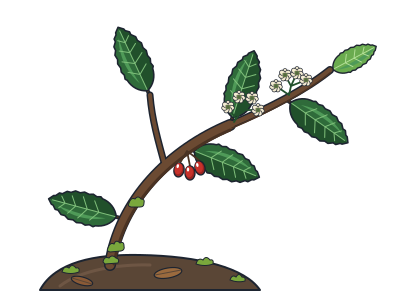
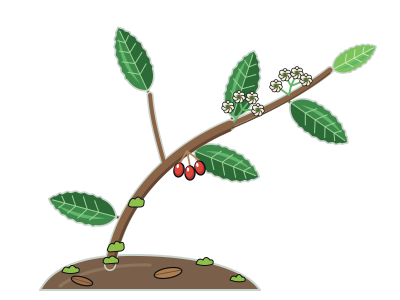
- AmborellaA shrub found only in New Caledonia: the sister of every other flowering plant.
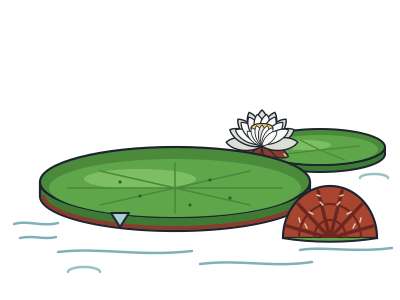
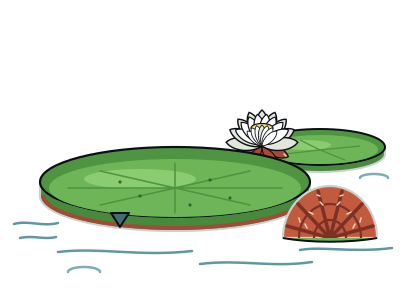
- Giant water lilyLily pads strong enough to hold a small child, from one of the oldest flower lineages.
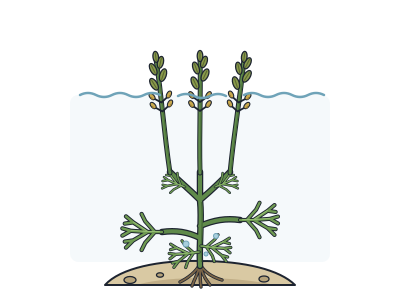
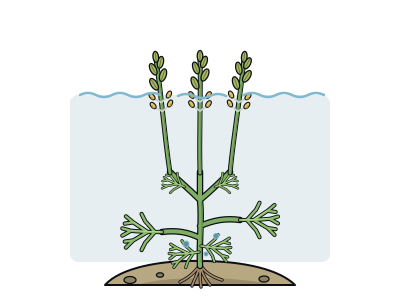
- ArchaefructusA 125-million-year-old water plant from China with some of the earliest known flowers.
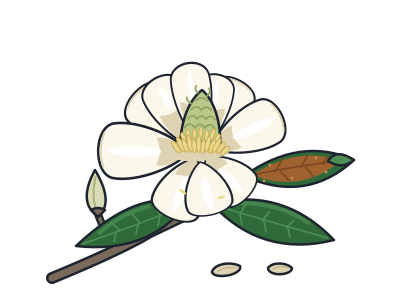
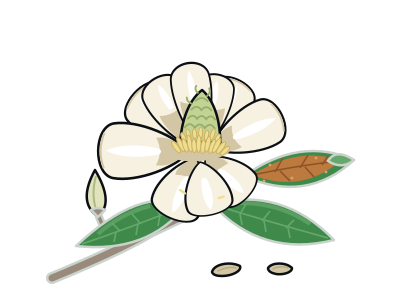
- Magnolias and kinBig, simple flowers and aromatic trees, including spices and avocados.
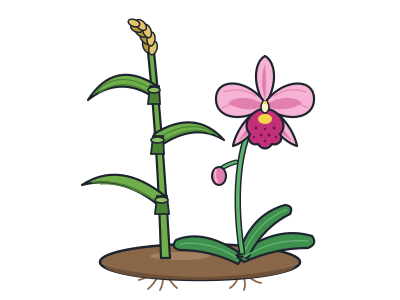
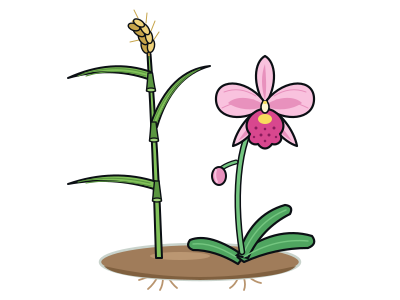
- MonocotsPlants that sprout one seed-leaf, from grasses and orchids to palms and bananas.
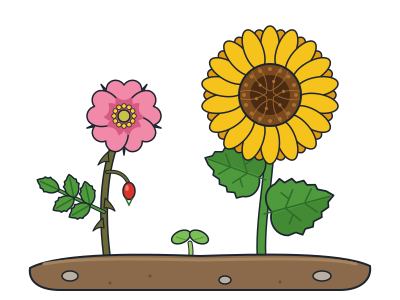
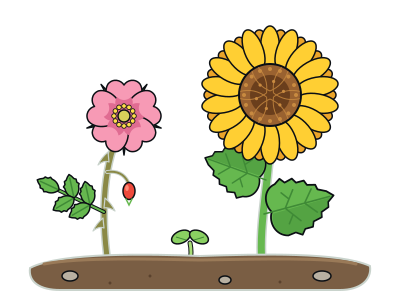
- EudicotsMost flowering plants, with two seed-leaves, from roses and beans to sunflowers.
- MontsechiaA 130-million-year-old underwater flowering plant from Spain, among the oldest known.