A group of living things
Olives, mints and kin
Lamiales
The olive on your pizza and the mint in your tea sit on the same branch of the tree of life.
This branch is shown at about 75 million years ago; its age is a rough estimate.
You and olives, mints and kin meet in the Eukaryotes branch, shown at about 1.8 billion years ago (on 28 July, in a calendar from life's shared ancestor to today).
The olive in your salad and the mint in your tea are relatives. So are lavender, basil, rosemary and the lilac bush in the park. They all belong to one big group of flowering plants, with about 23,800 species found around the world.
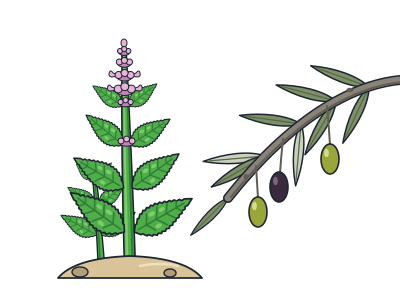
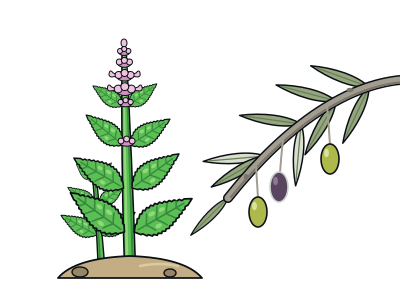
Many of them look nothing alike. An olive tree can grow about 10 metres tall, with a grey, twisted trunk. A mint plant is a soft, leafy herb. The group also includes ash and teak trees, jasmine, snapdragons, foxgloves and sesame. Most members are herbs or shrubs. The olive family sits on an early branch of the group, apart from the large branch that holds the mints.
On the mint side of the group, many flowers have five petals joined into a tube. The top forms an upper lip of two petals, and the bottom forms a lower lip of three. Many also have tiny hairs on their leaves that hold scented oils. That is why a rubbed mint or lavender leaf smells so strong.
Not every relative is a gentle garden herb. Bladderworts and butterworts are meat-eating plants. Broomrapes and their relatives steal their food from other plants.
Ancient farming
People first started growing olives around the Mediterranean about 8,000 to 6,000 years ago. Today about 80% of harvested olives are made into oil.
A big share of flowers
This group makes up about 12% of all eudicots, one of the main branches of flowering plants.
Not so English
English lavender does not come from England. It is native to the Mediterranean, and its purple flower spikes sit on long, bare stalks.
Inside olives, mints and kin
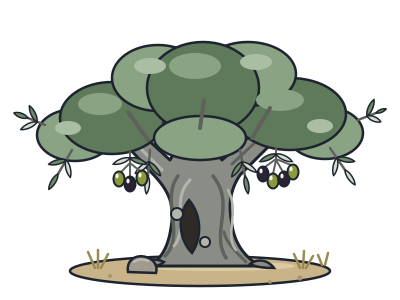
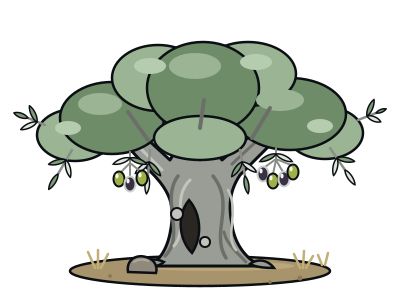
- OliveSome olive trees in the Mediterranean are thought to be over 2,000 years old.
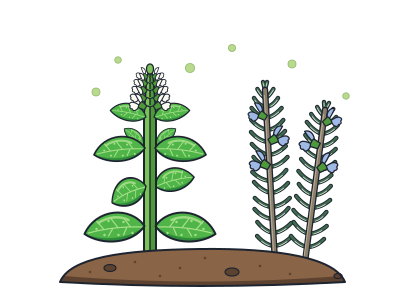
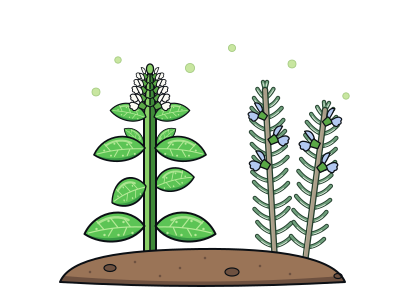
- Mint familySquare stems and fragrant oils link mint, basil, rosemary and lavender.
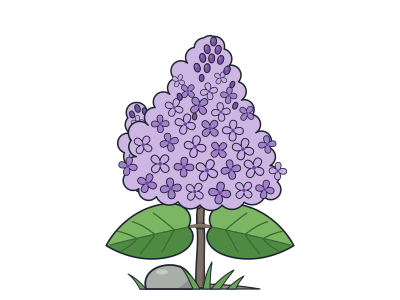
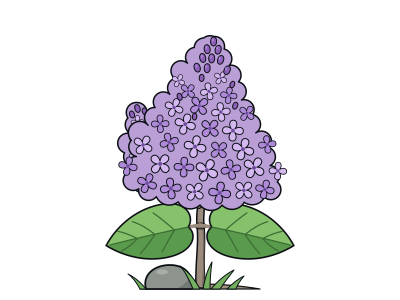
- LilacFragrant spring flowers from a shrub in the olive family.
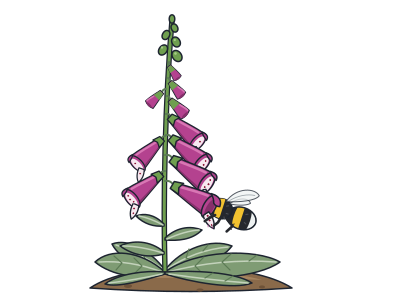
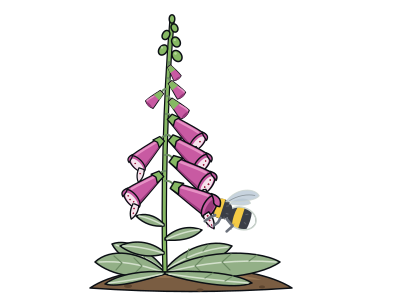
- FoxgloveTall spires of bell flowers that bumblebees crawl into; a source of a heart medicine.
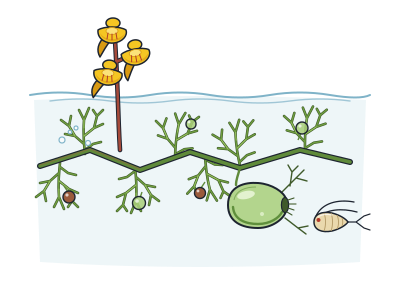
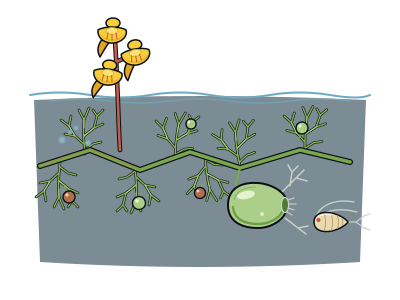
- Greater bladderwortUnderwater bladders that snap shut on tiny animals in under a millisecond.
Next to it on the tree
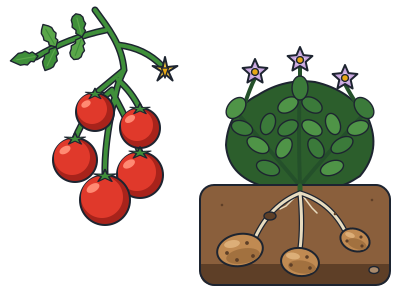
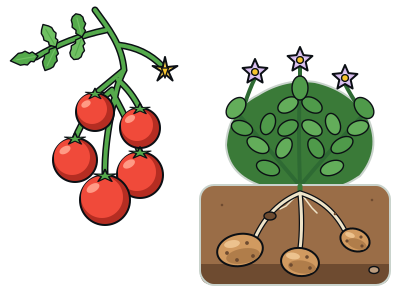
- Nightshade familyTomatoes and potatoes are close cousins in a family that also includes deadly nightshade.
- Daisy familyOne of the two biggest flowering-plant families, with over 32,000 species from lettuce to dandelions.


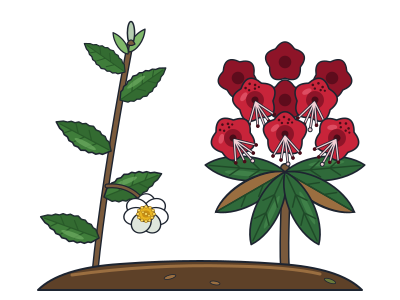
- Heathers, tea and kinTea, blueberries, kiwifruit, Brazil nuts and pitcher plants share one ancestor.
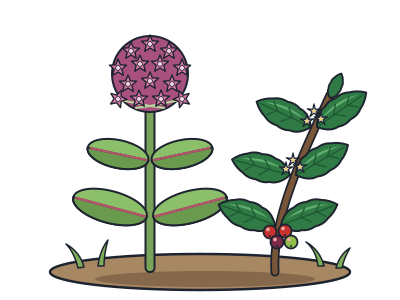
- Coffee and milkweedsCoffee, milkweed and gentians are relatives, many with powerful natural chemicals.
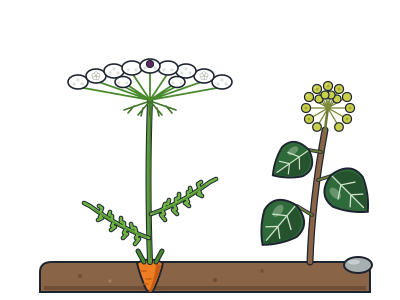
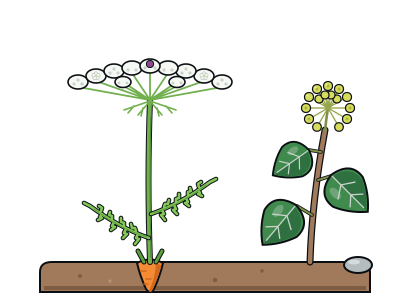
- Carrots, parsley and ivyUmbrella-shaped flower clusters link carrots and coriander to ivy.
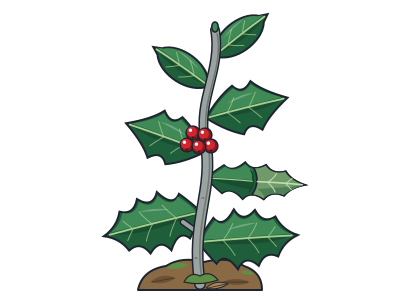
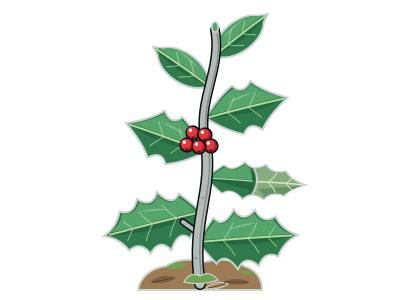
- HollyPrickly lower leaves deter deer, while higher leaves are often smooth.
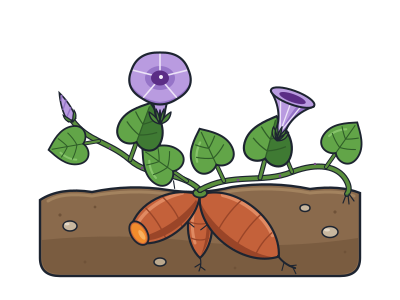
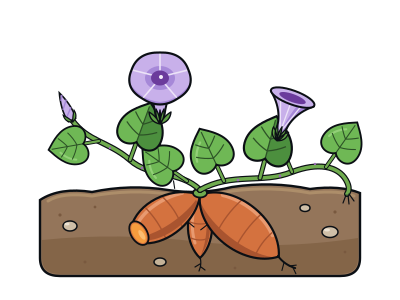
- Sweet potatoA morning glory with a sweet root, which reached Polynesia long before Europeans.