A group of living things
Heathers, tea and kin
Ericales
Tea, blueberries, kiwifruit and Brazil nuts all belong to one surprising branch of the plant tree.
This branch is shown at about 105 million years ago; its age is a rough estimate.
You and heathers, tea and kin meet in the Eukaryotes branch, shown at about 1.8 billion years ago (on 28 July, in a calendar from life's shared ancestor to today).
A cup of tea, a bowl of blueberries, a kiwifruit, a Brazil nut and a bug-catching pitcher plant seem to have nothing in common. Yet DNA studies place them all in one big group that shares a single ancestor. Rhododendrons, azaleas, heathers, persimmons, cranberries and primroses belong here too.
The group is huge, with somewhere between about 8,000 and 12,000 species in 22 families. It includes trees, bushes, climbing vines and soft-stemmed plants, and it grows all around the world. Some families live mostly in the tropics, while others live mainly in temperate or Arctic places.
Many members, such as heathers and blueberries, do well in sour, poor soils where other plants struggle. They get help from fungi that team up with their roots. Three special kinds of this root-and-fungus partnership are found only in this group.
Sizes vary enormously. Primroses sit low to the ground, while the Brazil nut tree towers about 50 metres over the Amazon rainforest, about as tall as a 15-storey building. It can live for 500 years or more.
One plant, many teas
White, green, oolong and black tea all come from the same kind of plant. The difference comes from how the picked leaves are processed, including how much they are oxidised.
Planted by rodents
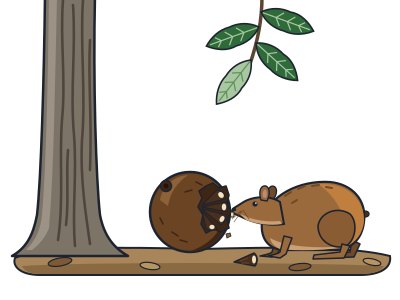
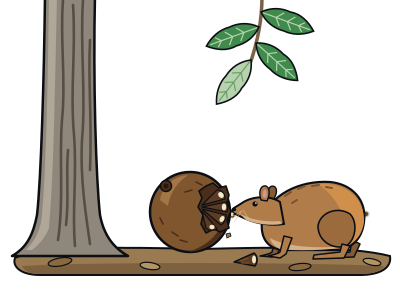
Agoutis gnaw open the hard Brazil nut pods, which weigh up to about 2 kg. They eat some seeds and bury others, and some of the buried seeds grow into new trees.
Busy lizzies may branch off first
Busy lizzies, the popular bedding plants, belong to the balsam family. Many scientists think it was the first branch to split off inside this group.
Inside heathers, tea and kin
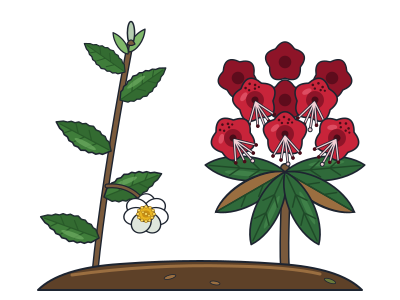
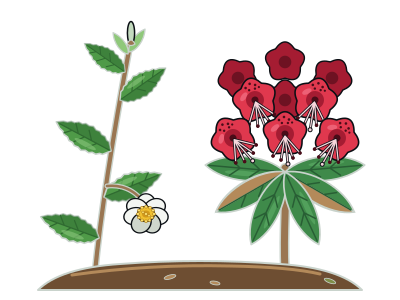
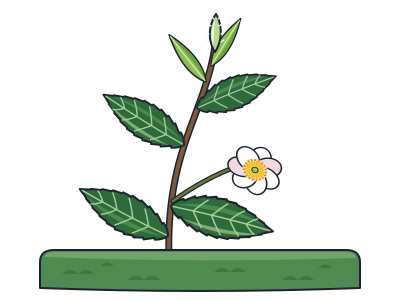
- Tea plantGreen, black and white tea all come from the leaves of this one shrub.
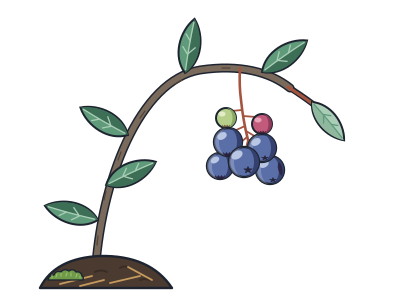
- Highbush blueberryBlue berries from heathland shrubs that need acid soil.
- KiwifruitA Chinese gooseberry renamed after New Zealand's bird.
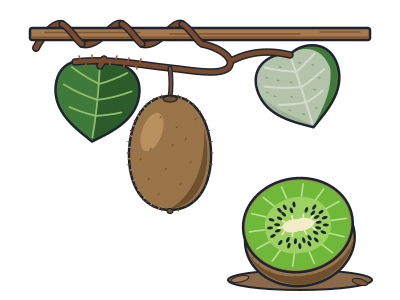
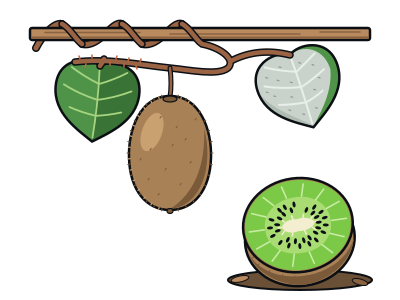
- Tree rhododendronRed-flowered trees that cover Himalayan slopes, and Nepal's national flower.
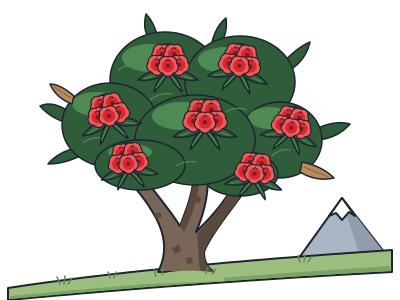
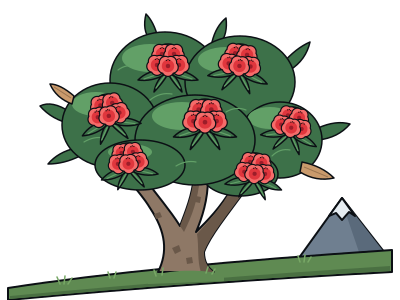
- Brazil nutA rainforest giant whose cannonball pods need agoutis to crack them open.
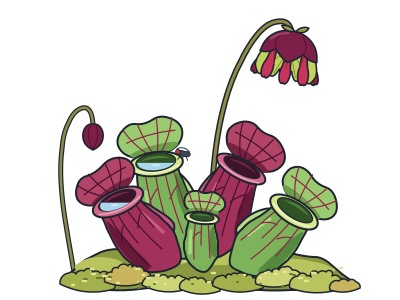
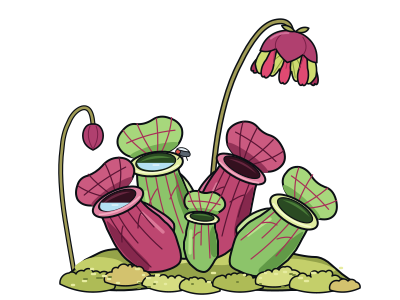
- Purple pitcher plantRain-filled leaf pitchers that drown insects, home to tiny pools of life.
Next to it on the tree
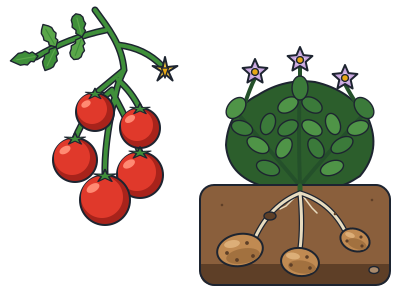
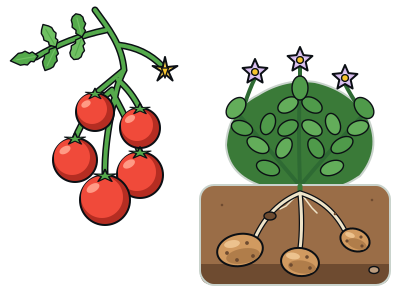
- Nightshade familyTomatoes and potatoes are close cousins in a family that also includes deadly nightshade.
- Daisy familyOne of the two biggest flowering-plant families, with over 32,000 species from lettuce to dandelions.


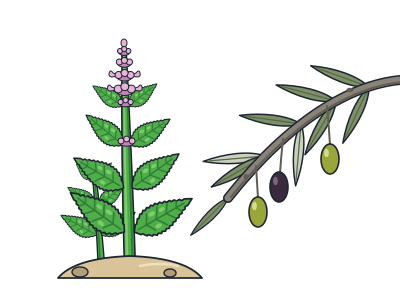
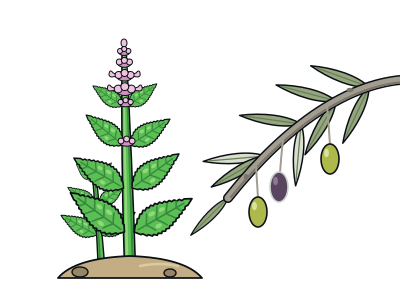
- Olives, mints and kinOlives, mint, lavender, basil and lilacs are all relatives.
- Coffee and milkweedsCoffee, milkweed and gentians are relatives, many with powerful natural chemicals.
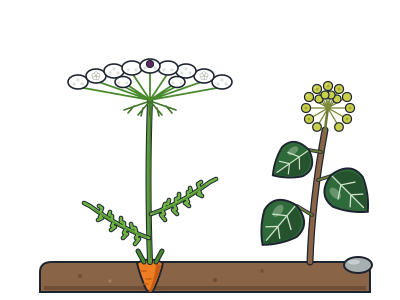
- Carrots, parsley and ivyUmbrella-shaped flower clusters link carrots and coriander to ivy.
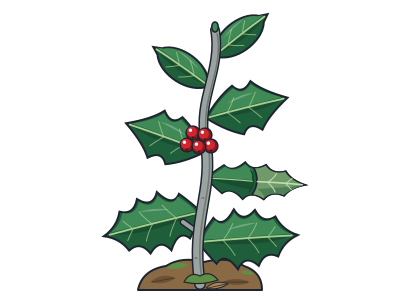
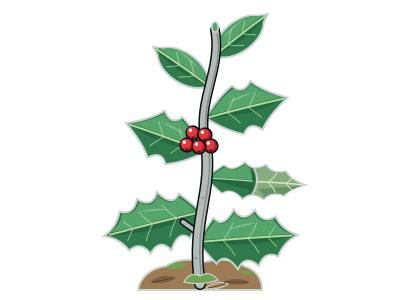
- HollyPrickly lower leaves deter deer, while higher leaves are often smooth.
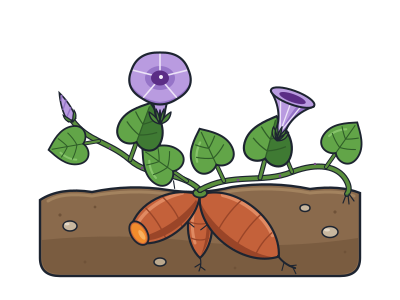
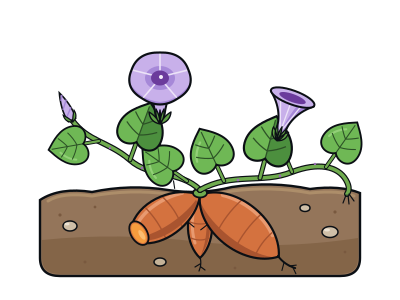
- Sweet potatoA morning glory with a sweet root, which reached Polynesia long before Europeans.