A species
Tea plant
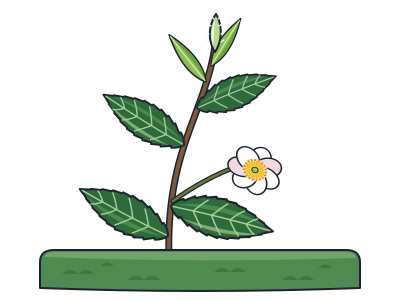
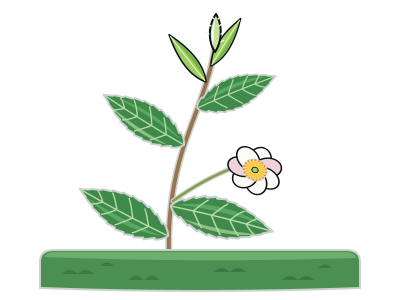
Camellia sinensis
One shrub, many teas: green, black and white tea all come from its leaves.
You and the tea plant meet in the Eukaryotes branch, shown at about 1.8 billion years ago (on 28 July, in a calendar from life's shared ancestor to today).
Green tea, black tea and white tea all come from the same shrub. They are not different plants. What makes them different is mainly what happens to the leaves after they are picked.
A picked tea leaf slowly starts to brown. This change is called oxidation. To make green tea, the leaves are heated soon after picking to stop the browning. Oolong tea is allowed to brown partly, and black tea is left to darken fully. In China, green tea is traditionally heated in a hot wok. In Japan it is steamed, which gives it a different flavour. White tea is made from young leaves, sometimes with unopened buds covered in fine silvery-white hairs. The leaves are simply wilted and dried, often in sunlight. They are not rolled or deliberately browned.
Garden camellias are close relatives of the tea plant. More distant relatives include blueberries and kiwifruit, which belong to the same larger group of flowering plants. Tea is also on the same big branch as coffee, daisies and mints.
Left alone, a tea plant can grow into a tree up to about 20 metres tall, roughly as tall as a six-storey building. On plantations it is kept trimmed to about waist height so pickers can reach the tips. They often pick a bud plus the top two leaves.
Built-in bug spray
Fresh tea leaves are about 4% caffeine. For the plant, caffeine works as a natural pesticide that can paralyse and kill insects that eat the leaves.
A long working life
A tea bush grows the most leaves when it is about 30 to 50 years old, but it can keep producing for more than 100 years.
Tea in the far north
Tea is mostly grown in warm, rainy places with at least about 1,270 mm of rain a year. Even so, the most northerly tea plantation is a small one in the Orkney Islands of Scotland.
Next to it on the tree
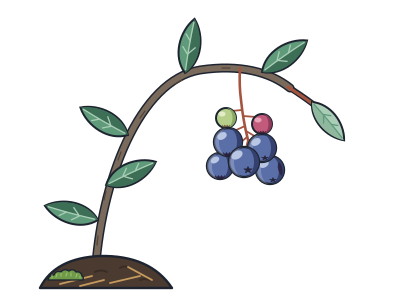
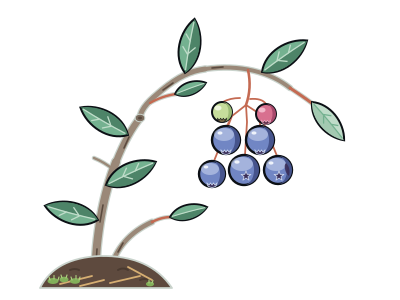
- Highbush blueberryBlue berries from heathland shrubs that need acid soil.
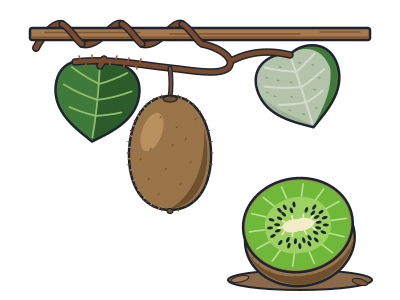
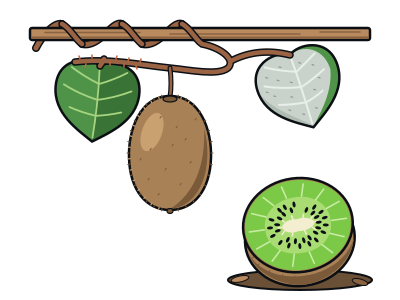
- KiwifruitA Chinese gooseberry renamed after New Zealand's bird.
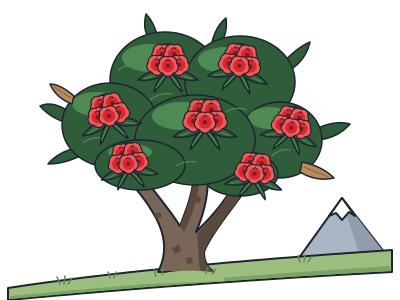
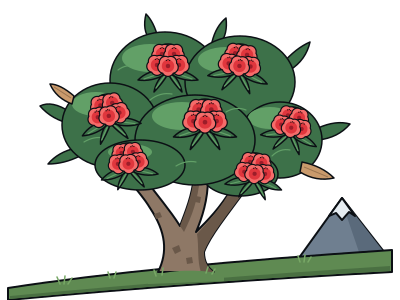
- Tree rhododendronRed-flowered trees that cover Himalayan slopes, and Nepal's national flower.
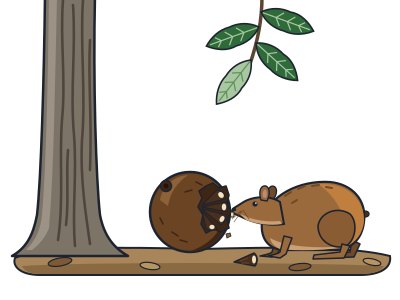
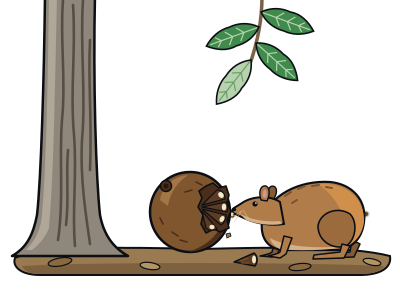
- Brazil nutA rainforest giant whose cannonball pods need agoutis to crack them open.
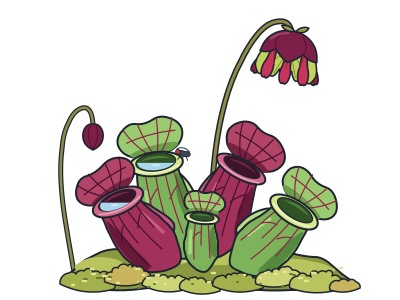
- Purple pitcher plantRain-filled leaf pitchers that drown insects, home to tiny pools of life.