A species
Brazil nut
Bertholletia excelsa
A rainforest giant that needs a rodent to open its cannonball pods
You and the brazil nut meet in the Eukaryotes branch, shown at about 1.8 billion years ago (on 28 July, in a calendar from life's shared ancestor to today).
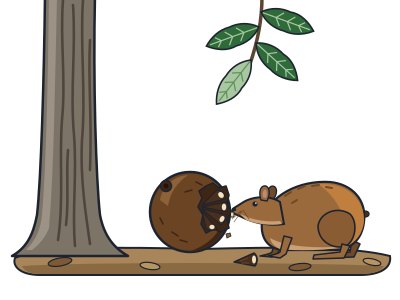
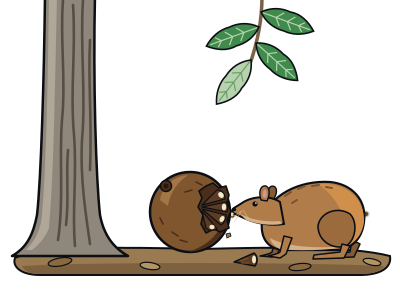
High in the Amazon rainforest, this giant tree drops heavy woody pods that look like cannonballs. The pods do not split open by themselves. Instead, the tree depends on agoutis, rabbit-sized rodents with sharp front teeth, to gnaw through the thick shell.
Agoutis eat some of the seeds and bury others one at a time to eat later, usually within about 10 metres. They dig almost all of them up again. But the few they forget can sprout into new Brazil nut trees.
This towering tree is a relative of tea, blueberries and kiwifruit, which belong to the same large plant group. It grows to about 50 metres tall, with a trunk about 1 to 2 metres across. Each pod is about the size of a grapefruit or a coconut and can weigh up to about 2 kilograms. Inside, roughly 10 to 25 seeds are packed together like orange segments.
The 'nuts' sold in shops are really these seeds. Nearly all of them are gathered from wild trees. The flowers have a tough hood, and only large, strong bees can push their way in. The trees produce nuts almost only in undisturbed forest, where these wild bees are found, and growing them on plantations has not been commercially successful.
A slow ripener
After a flower is pollinated, its fruit takes about 14 months to ripen.
Naturally high in radium
Weight for weight, Brazil nuts can contain about 1,000 times more radium than the average German diet. The tree's widely spreading roots take up radium because it is chemically similar to calcium, which is scarce in poor rainforest soils.
A tree at risk
The IUCN, which tracks threatened species, lists the Brazil nut as Vulnerable.
Next to it on the tree
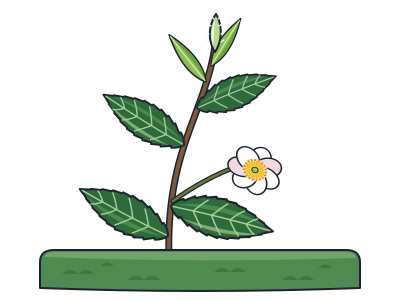
- Tea plantGreen, black and white tea all come from the leaves of this one shrub.
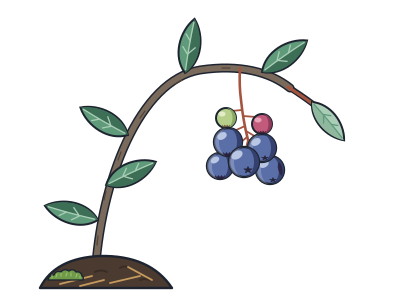
- Highbush blueberryBlue berries from heathland shrubs that need acid soil.
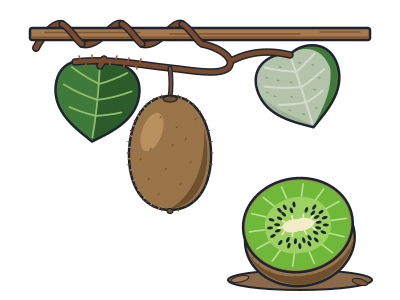
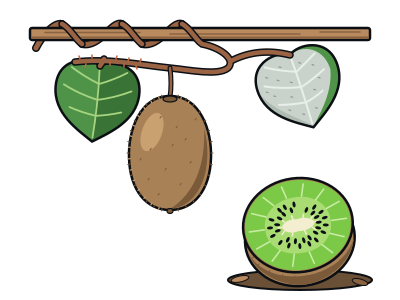
- KiwifruitA Chinese gooseberry renamed after New Zealand's bird.
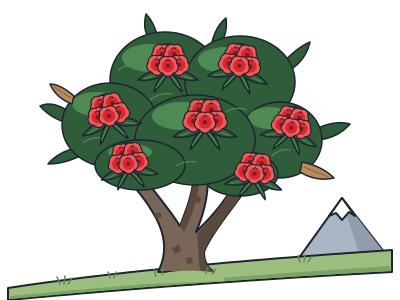
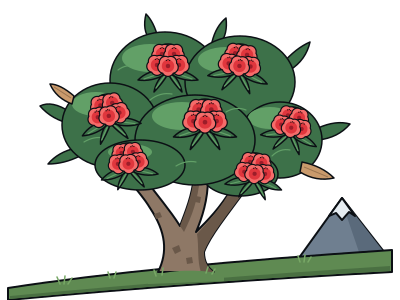
- Tree rhododendronRed-flowered trees that cover Himalayan slopes, and Nepal's national flower.
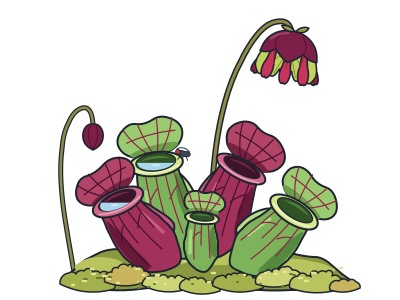
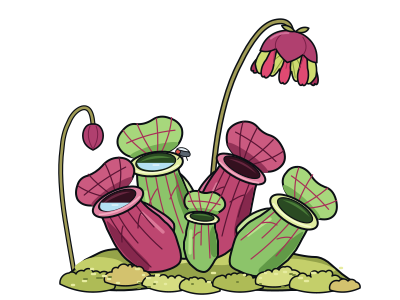
- Purple pitcher plantRain-filled leaf pitchers that drown insects, home to tiny pools of life.