A species
Purple pitcher plant
Sarracenia purpurea
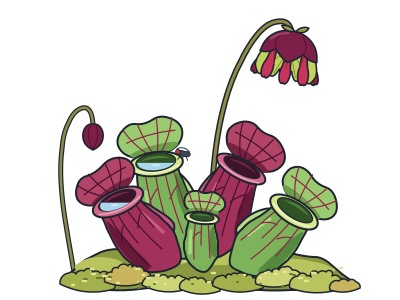
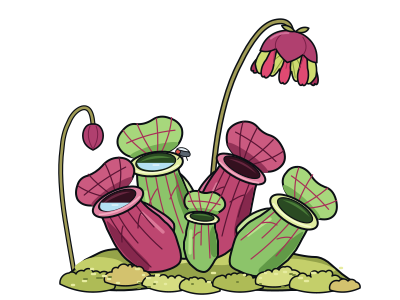
A bog plant whose rain-filled leaves drown insects and hold tiny pools of life.
You and the purple pitcher plant meet in the Eukaryotes branch, shown at about 1.8 billion years ago (on 28 July, in a calendar from life's shared ancestor to today).
Each leaf of this bog plant is rolled into a hollow jug that is open at the top, so it fills with rain. Insects that land on its frilly lid meet stiff hairs that point downwards. The hairs steer them deeper in and make it hard to climb back out, so many slip into the water and drown.
Digestive juices in the water then break the prey down. This adds to the nutrients the roots can find in poor, boggy soil. But the pool is not just a stomach. It is a tiny pond full of life, including bacteria, algae, single-celled creatures, tiny crustaceans and the young of mosquitoes and midges. These larvae seem unharmed by the juices, and many of the pond's members help to break the prey down.
Its pitchers start out green with purple veins. By the end of the growing season they turn a deep red-purple all over. It is the most widespread pitcher plant, and the only one in its group that grows in cold northern climates.
Here is the surprise: this insect-eater belongs to the same big plant group as tea, blueberries, kiwifruit and rhododendrons. None of those relatives catch insects at all.
A mosquito that lives nowhere else
The pitcher plant mosquito lays its eggs only in the water inside these leaves. In the north, its larvae can spend the winter frozen in the ice. The adults there never drink blood.
Lots of visitors, few victims
In one study, ants made up about three-quarters of the insects visiting the plant. Yet the pitchers caught fewer than 1 in 200 of the ants that came by.
On a penny
From 1938 a pitcher plant appeared on Newfoundland's one-cent coin. Since 1954 it has been the official flower of Newfoundland and Labrador in Canada.
Next to it on the tree
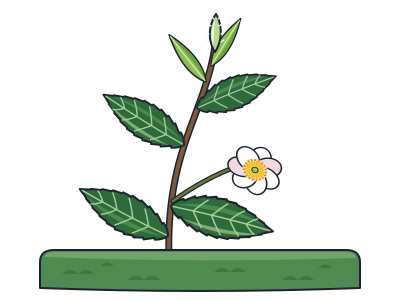
- Tea plantGreen, black and white tea all come from the leaves of this one shrub.
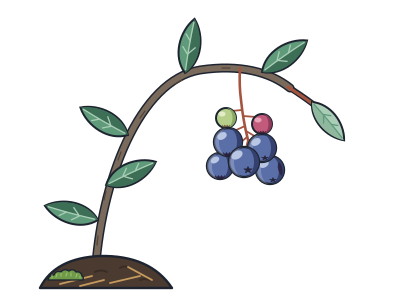
- Highbush blueberryBlue berries from heathland shrubs that need acid soil.
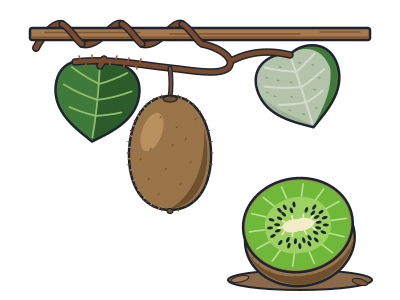
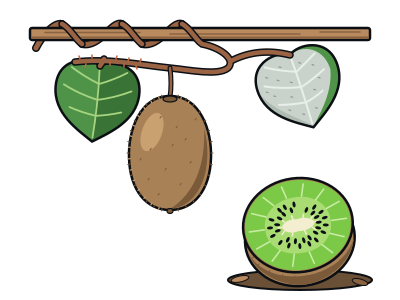
- KiwifruitA Chinese gooseberry renamed after New Zealand's bird.
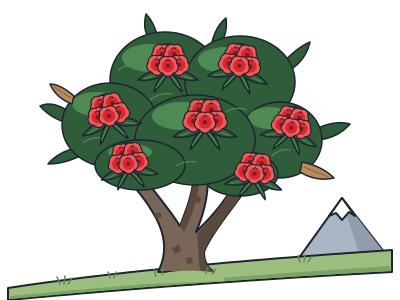
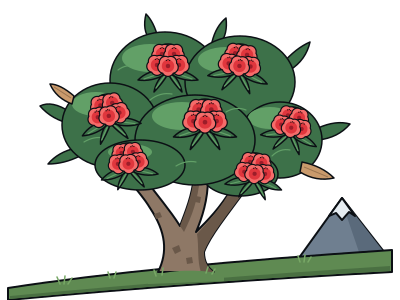
- Tree rhododendronRed-flowered trees that cover Himalayan slopes, and Nepal's national flower.
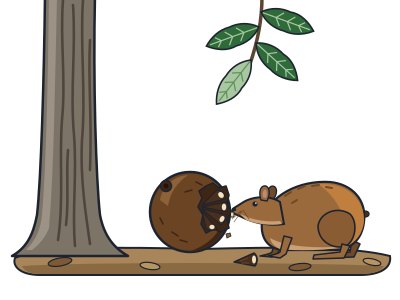
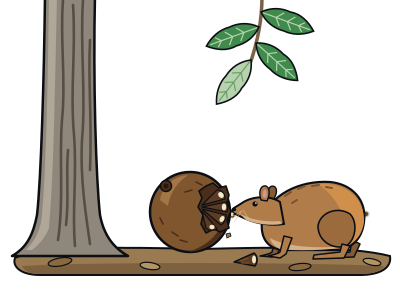
- Brazil nutA rainforest giant whose cannonball pods need agoutis to crack them open.