A species
Highbush blueberry
Vaccinium corymbosum
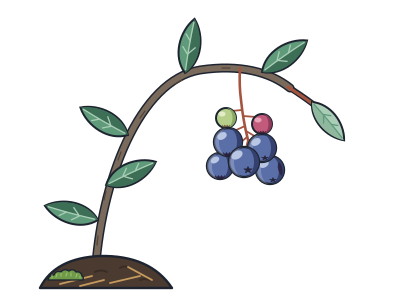
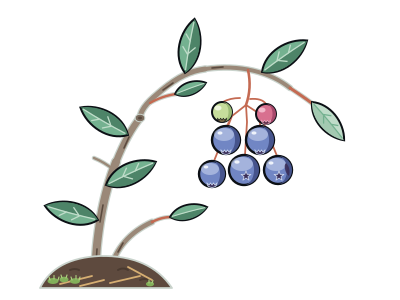
A fussy heathland shrub that bears blue berries and needs sour, acidic soil.
You and the highbush blueberry meet in the Eukaryotes branch, shown at about 1.8 billion years ago (on 28 July, in a calendar from life's shared ancestor to today).
The blueberries you buy come from a shrub in the heath family. Cranberries, huckleberries, rhododendrons, azaleas and heathers are in it too. Most plants in this family grow on poor, acidic soil, and they are the main plants of the open heathlands of northern Europe. The blueberry is just as fussy. It needs very acidic soil, much more acidic than most garden soil.
In the wild it grows in eastern North America, from Canada south to Florida and eastern Texas. You find it in swamps, at the edges of bogs, in damp woods and in pine barrens, which are open, sandy pine forests. It is a bushy plant with many thin stems. It is usually taller than an adult and about as wide. In autumn its leaves turn red, orange, yellow and purple before they fall.
Its roots hold a surprise. They have no root hairs, the tiny threads most plants use to soak up water and nutrients. To make up for this, special soil fungi live coiled up inside the root cells and help gather nutrients.
In spring, clusters of small white to pale pink bells hang from the twigs. The berries ripen from green through pink to blue. Each one is about the size of a pea or a small marble. The blueberry belongs to the asterids, a big group of flowering plants that also includes coffee, tea, carrots and mint.
A feast for wildlife
Songbirds, small mammals and even bears eat the berries. Deer nibble the twigs, and bees and butterflies such as the brown elfin feed at the flowers.
Tamed just over a century ago
In the early 1900s, Elizabeth Coleman White worked with a government botanist, Frederick Coville, to turn the wild bush into a crop. She was the daughter of a New Jersey cranberry farmer.
It needs a cold winter
Most farmed highbush varieties need a long, cold winter to flower and fruit well. Often that means more than 800 hours of cold weather, below about 7 °C.
Next to it on the tree
- Tea plantGreen, black and white tea all come from the leaves of this one shrub.
- KiwifruitA Chinese gooseberry renamed after New Zealand's bird.
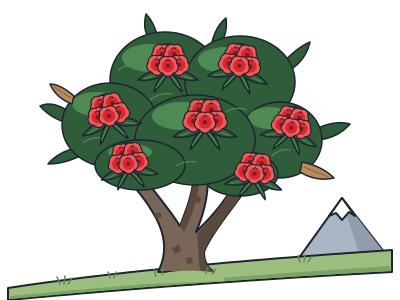
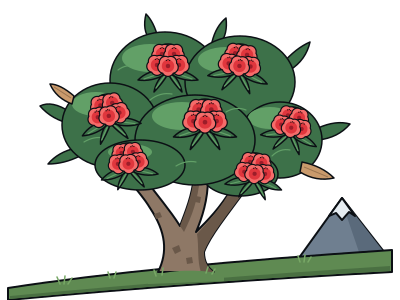
- Tree rhododendronRed-flowered trees that cover Himalayan slopes, and Nepal's national flower.
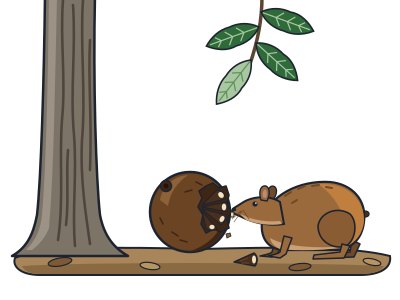
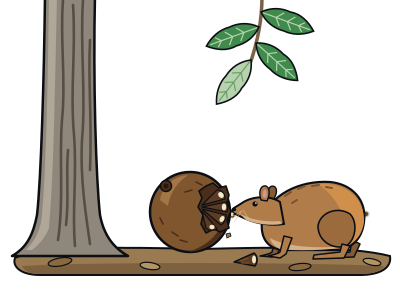
- Brazil nutA rainforest giant whose cannonball pods need agoutis to crack them open.
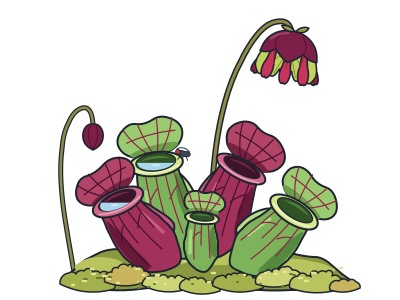
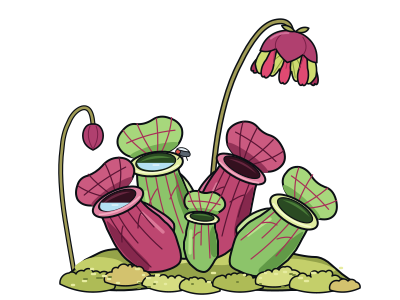
- Purple pitcher plantRain-filled leaf pitchers that drown insects, home to tiny pools of life.