A species
Kiwifruit
Actinidia deliciosa
A Chinese gooseberry renamed after New Zealand's bird
You and the kiwifruit meet in the Eukaryotes branch, shown at about 1.8 billion years ago (on 28 July, in a calendar from life's shared ancestor to today).
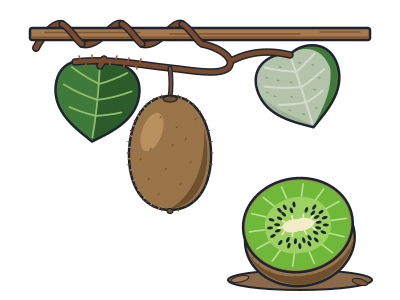
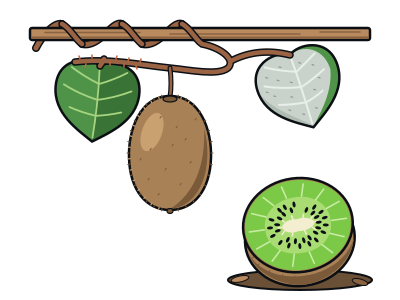
This fuzzy brown fruit started out in China. In English it was first called the Chinese gooseberry. In June 1959, New Zealand exporters gave it a new name to help sell it in the United States. They called it 'kiwifruit', in the same way people say 'passionfruit'. 'Kiwi' is a nickname for New Zealanders, and the nickname comes from the country's flightless bird.
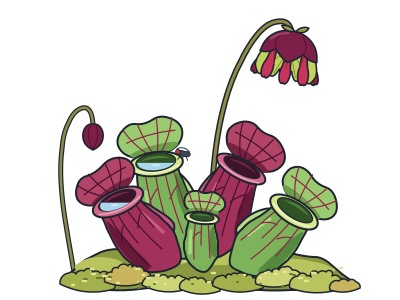
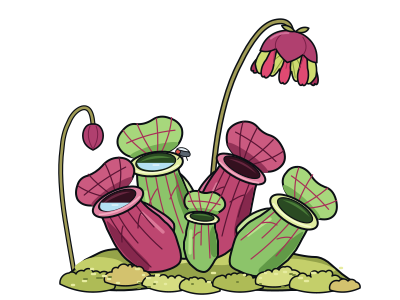
Despite its old name, it is not a real gooseberry. It belongs to a big group of more than 8,000 kinds of plants. Tea, blueberries, persimmons and the Brazil nut are all in that group too. Within it, the kiwifruit family's closest relatives include a surprise: the meat-eating pitcher plants of the Americas.
In the wild, it is a climbing vine that grows over other plants in the mountain forests of central and southern China. It lives about 800 to 1,400 metres above sea level.
Each plant is either male or female. Only female plants grow fruit, and they need pollen from a male plant nearby. Insects such as bees carry that pollen, so growers have to plant both kinds.
Flowers with fake pollen
The flowers make no nectar. Female flowers attract insects with 'fake' pollen that has no food in it and cannot fertilise anything.
Around 1,000 seeds
One kiwifruit usually holds about 1,000 tiny black seeds. Fruit with more seeds grow bigger, so good pollination matters to growers.
One variety went global
A man named Hayward Wright developed the 'Hayward' variety in Auckland around 1924. By the late 1960s it had become the main green kiwifruit sent overseas from New Zealand.
Next to it on the tree
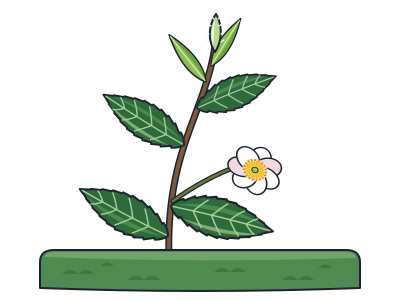
- Tea plantGreen, black and white tea all come from the leaves of this one shrub.
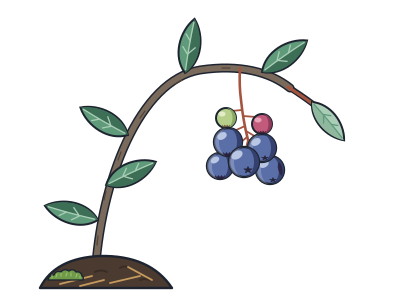
- Highbush blueberryBlue berries from heathland shrubs that need acid soil.
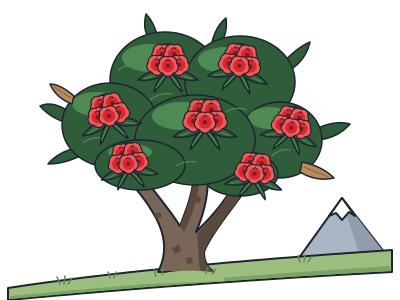
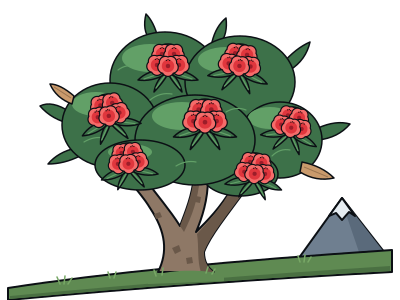
- Tree rhododendronRed-flowered trees that cover Himalayan slopes, and Nepal's national flower.
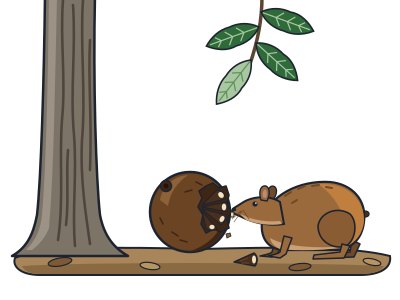
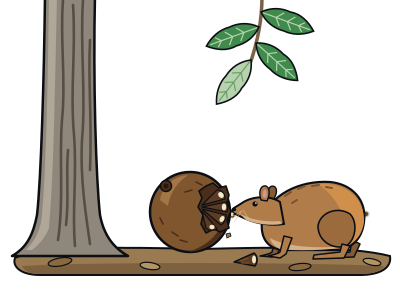
- Brazil nutA rainforest giant whose cannonball pods need agoutis to crack them open.
- Purple pitcher plantRain-filled leaf pitchers that drown insects, home to tiny pools of life.