A group of living things
Coffee and milkweeds
Gentianales
Coffee, milkweeds and gentians: a group of plant relatives that make powerful chemicals
This branch is shown at about 75 million years ago; its age is a rough estimate.
You and coffee and milkweeds meet in the Eukaryotes branch, shown at about 1.8 billion years ago (on 28 July, in a calendar from life's shared ancestor to today).
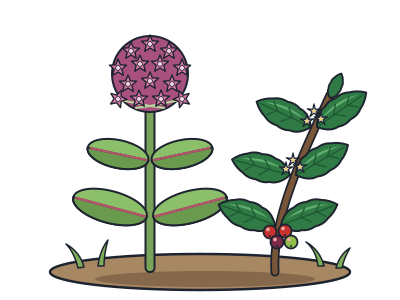
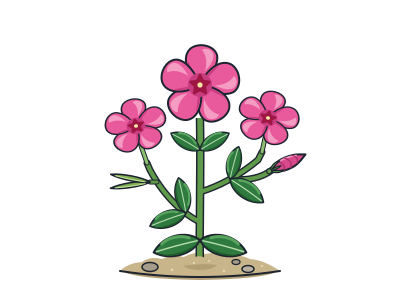
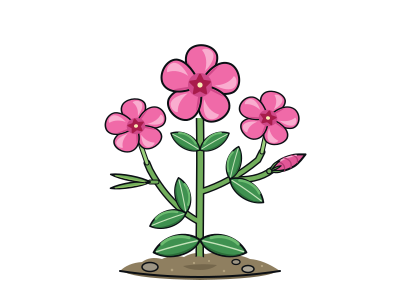
A cup of coffee, a roadside milkweed and a blue mountain gentian might seem to have nothing in common. In fact, they sit on the same branch of the plant family tree. This branch holds more than 20,000 species, from small herbs to large trees. Most have simple leaves in opposite pairs and flowers usually built in fives. Many also make powerful natural chemicals.
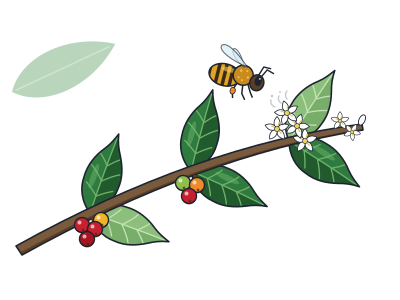
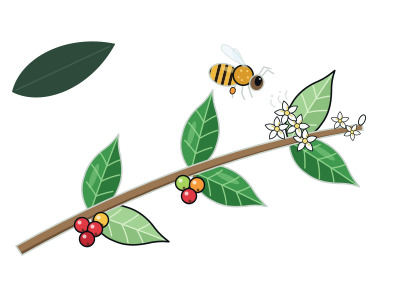
Coffee's best-known chemical is caffeine. Tea and cacao make caffeine too, but they are not close relatives of coffee. Coffee's caffeine genes evolved separately from theirs, so the plants reached the same chemical by different routes. Another member of the coffee family, the cinchona tree, gives us quinine, a medicine used to treat malaria.
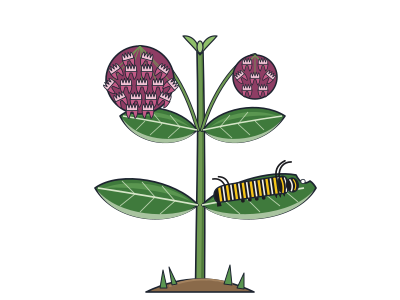
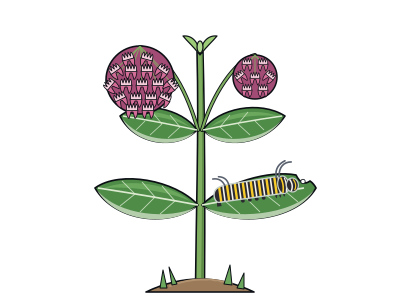
Milkweeds carry toxic chemicals. Monarch caterpillars eat only milkweed and store its poisons, which stay in their bodies when they become adults. This makes the butterflies taste bad, or even poisonous, to many birds and mice. Their bright orange wings act as a warning.
The Madagascar periwinkle has saved many lives. Its leaves contain two cancer drugs. Along with other treatments, one of them helped raise survival from a type of childhood leukaemia from about 10% to about 90%.
Mostly coffee cousins
The coffee family makes up about two-thirds of all the species in this group. It is one of five families in the group.
A mountain of leaves
Making just 1 gram of the cancer drug vinblastine takes about 500 kilograms of dried periwinkle leaves. That is about as heavy as a large horse.
Not every bird is fooled
Some birds, such as black-headed grosbeaks, can cope with the poisons in monarch butterflies and still eat them.
Inside coffee and milkweeds
Next to it on the tree
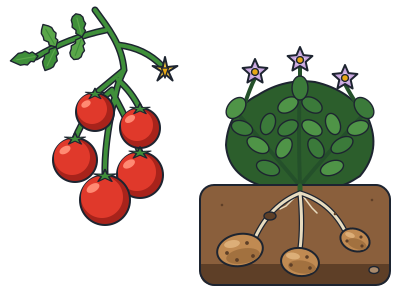
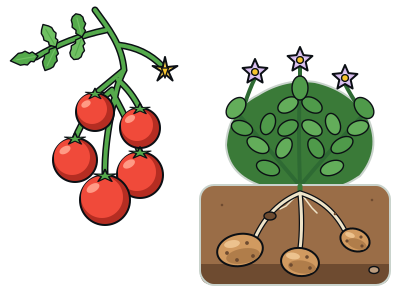
- Nightshade familyTomatoes and potatoes are close cousins in a family that also includes deadly nightshade.
- Daisy familyOne of the two biggest flowering-plant families, with over 32,000 species from lettuce to dandelions.


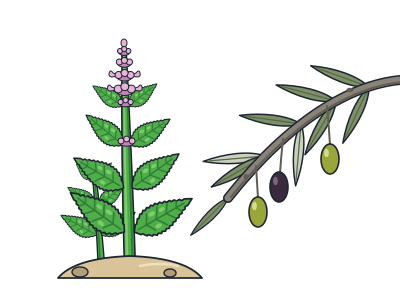
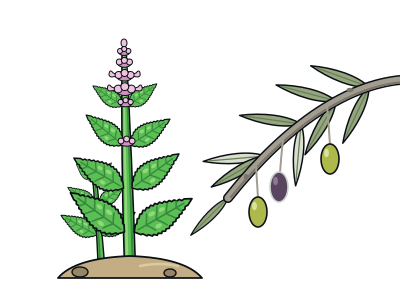
- Olives, mints and kinOlives, mint, lavender, basil and lilacs are all relatives.
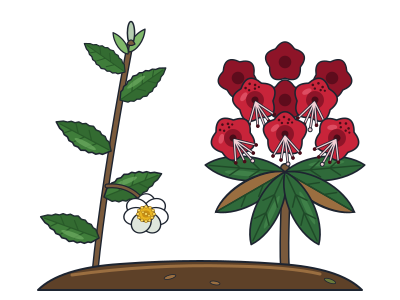
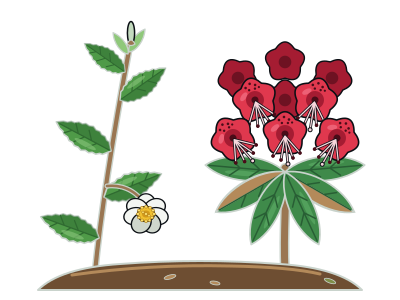
- Heathers, tea and kinTea, blueberries, kiwifruit, Brazil nuts and pitcher plants share one ancestor.
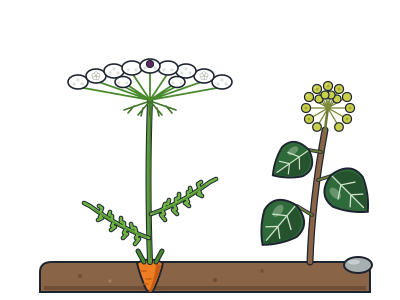
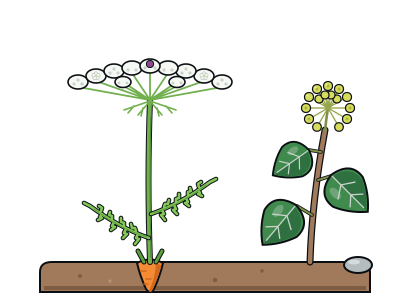
- Carrots, parsley and ivyUmbrella-shaped flower clusters link carrots and coriander to ivy.
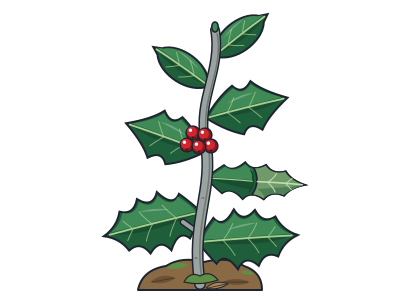
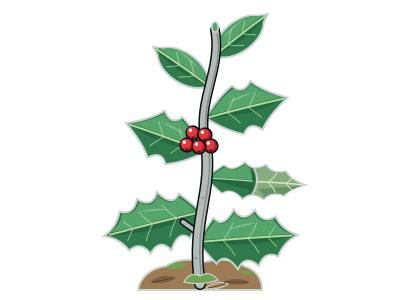
- HollyPrickly lower leaves deter deer, while higher leaves are often smooth.
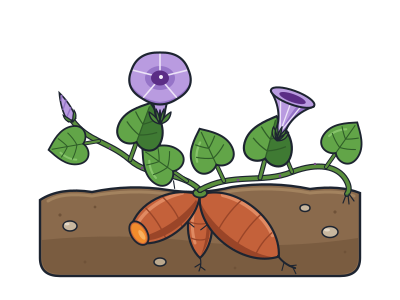
- Sweet potatoA morning glory with a sweet root, which reached Polynesia long before Europeans.