A group of living things
Nightshade family
Solanaceae
Tomatoes, potatoes and a famously poisonous plant are all one family.
This branch is shown at about 50 million years ago; its age is a rough estimate.
You and nightshade family meet in the Eukaryotes branch, shown at about 1.8 billion years ago (on 28 July, in a calendar from life's shared ancestor to today).
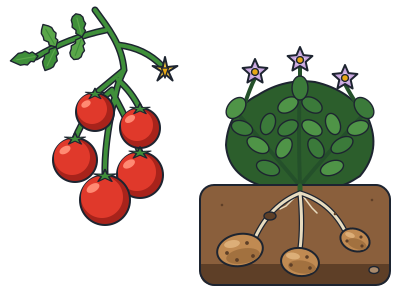
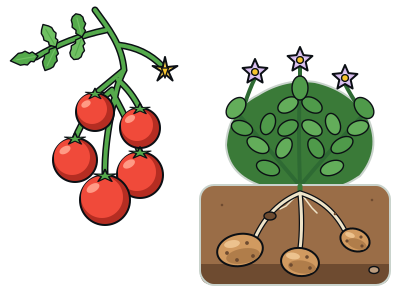
Your salad and your chips come from close cousins. Tomatoes and potatoes belong to the same family, and even to the same smaller group within it, along with aubergines. That family also includes deadly nightshade, a highly poisonous wild plant from Europe and nearby regions. Altogether there are about 2,700 species, from small herbs to shrubs, climbing vines and trees.
The link between tomatoes and potatoes is even closer than it looks. A recent genetic study suggests the potato began as a natural cross between an ancestor of the tomato and a potato-like plant that had no tubers. Neither parent could grow tubers. Together, though, their genes let the new plant store food underground. In a way, the tomato line is one of the potato's parents.
Many members of the family make chemicals that protect them from being eaten. Tobacco makes nicotine, and chilli peppers make the chemical that gives them their heat. Even tomato and potato plants carry natural poisons, mostly in their leaves, sprouts and green parts. That is why you should cut green bits and sprouts off potatoes, because cooking does not get rid of much of the poison. Deadly nightshade has poison in every part of the plant.
To spot a family member, look at the flowers. Most have five petals joined into a star, bell or trumpet shape, with five stamens in the middle.
A beauty trick
'Bella donna' means 'beautiful lady'. During the Renaissance, women used the plant's juice to make the dark centres of their eyes bigger. Eye doctors still use atropine, a chemical from this plant, to do the same thing.
A fossil in a paper lantern
In Patagonia, Argentina, scientists found two papery husks about 52 million years old. They came from a relative of the tomatillo, and one still holds the blackened remains of its berry.
Flowers in the family
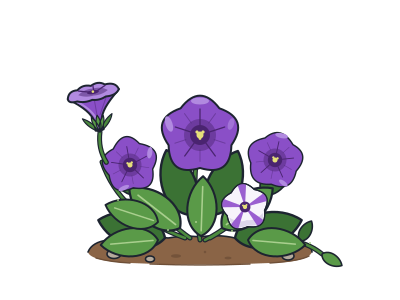
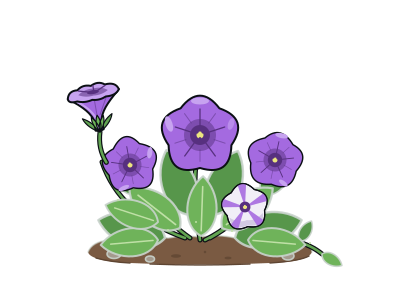
Petunias and angel's trumpets also belong to the nightshade family, so a garden centre can be full of the tomato's relatives. The legendary mandrake is in the family too.
Inside nightshade family
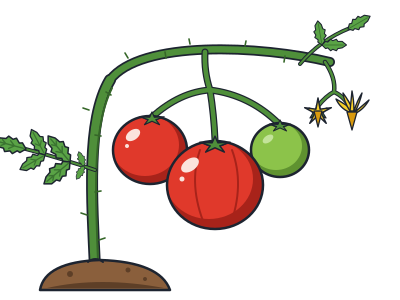
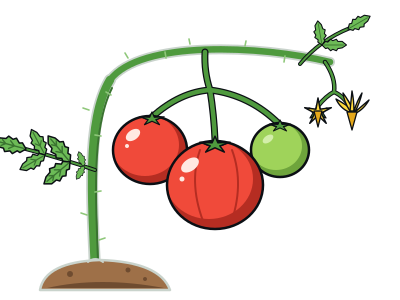
- TomatoEuropeans once feared tomatoes as poisonous because of their nightshade cousins.
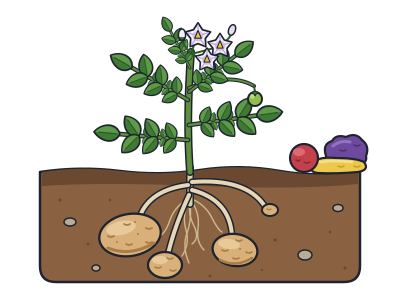
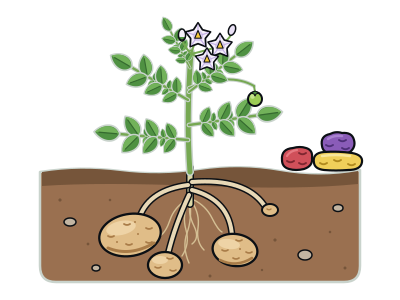
- PotatoThousands of varieties from the Andes; the swollen underground stems fed Europe's population boom.
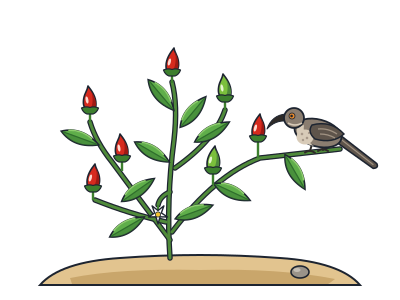
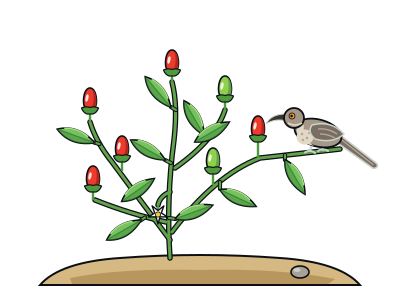
- Chili pepperIts heat stops mammals eating the seeds, but birds cannot feel it and spread them.
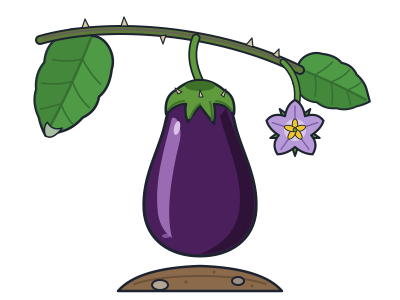
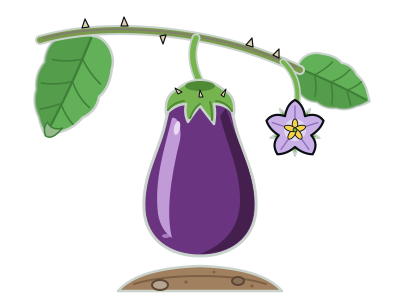
- AubergineA purple berry and close cousin of the tomato and potato.
- PetuniaA favourite bedding flower that is a tobacco relative from South America.
Next to it on the tree
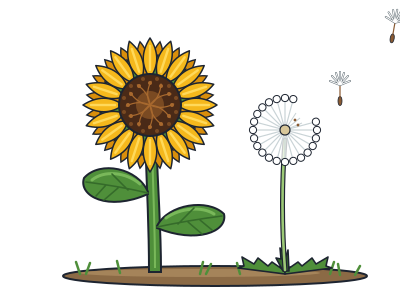
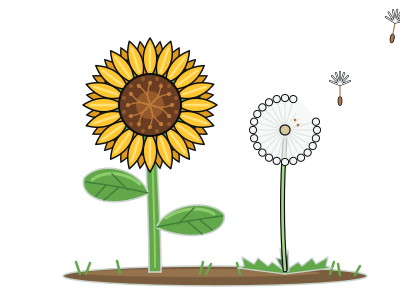
- Daisy familyOne of the two biggest flowering-plant families, with over 32,000 species from lettuce to dandelions.
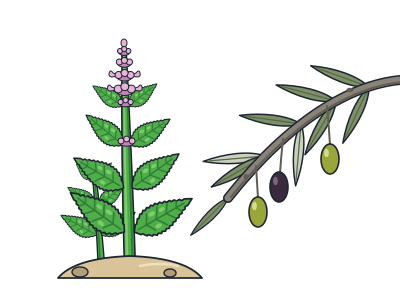
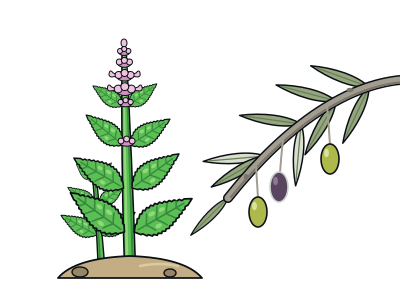
- Olives, mints and kinOlives, mint, lavender, basil and lilacs are all relatives.
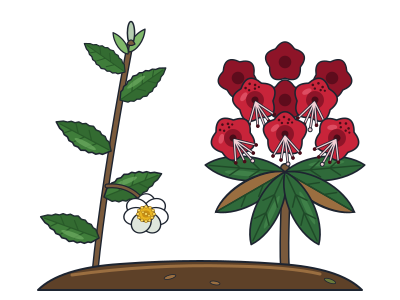
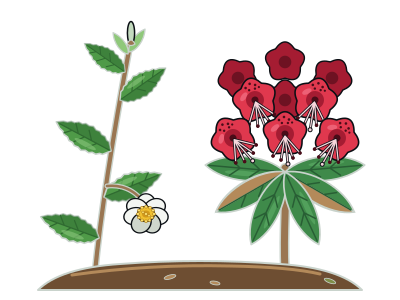
- Heathers, tea and kinTea, blueberries, kiwifruit, Brazil nuts and pitcher plants share one ancestor.
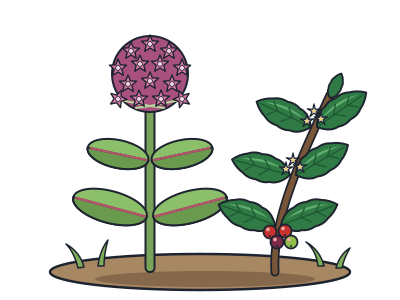
- Coffee and milkweedsCoffee, milkweed and gentians are relatives, many with powerful natural chemicals.
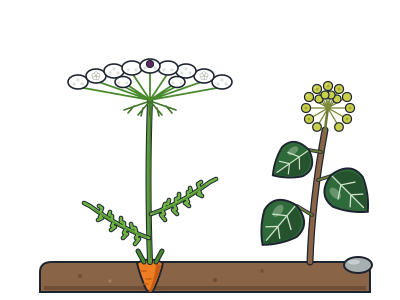
- Carrots, parsley and ivyUmbrella-shaped flower clusters link carrots and coriander to ivy.
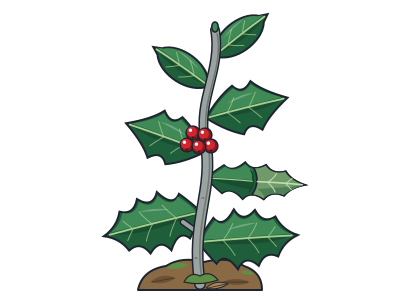
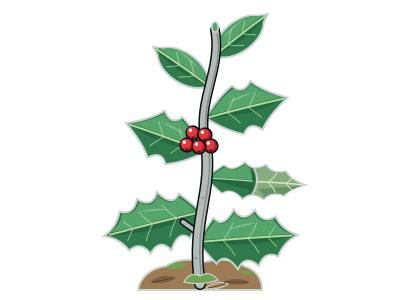
- HollyPrickly lower leaves deter deer, while higher leaves are often smooth.
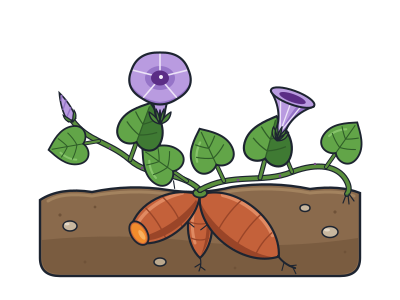
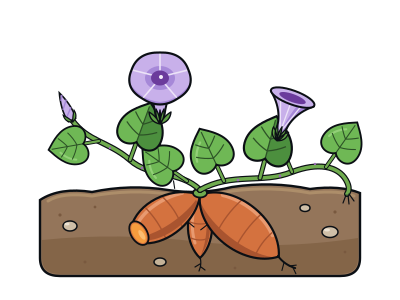
- Sweet potatoA morning glory with a sweet root, which reached Polynesia long before Europeans.