A species
Holly
Ilex aquifolium
A tree that keeps its sharpest leaves where deer can reach them.
You and the holly meet in the Eukaryotes branch, shown at about 1.8 billion years ago (on 28 July, in a calendar from life's shared ancestor to today).
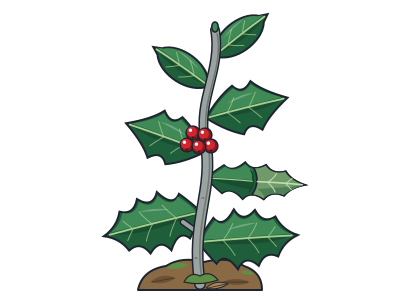
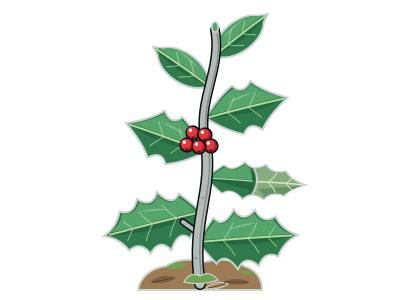
Holly protects itself like a castle with the strongest guard at the gate. Leaves near the ground have about 3 to 7 sharp spines along each edge. Higher up, out of reach of grazing animals, leaves often have fewer spines or none at all.
In a study of wild holly in south-eastern Spain, leaves were clearly more prickly below about 2.5 metres. That is roughly as high as an adult red deer can reach. Almost every tree grew both prickly and smooth leaves. Trees that deer and goats had nibbled more tended to grow more prickly ones. Prickly and smooth leaves on the same twig had the same DNA. But they had different chemical tags attached to that DNA, which may help explain the switch.
Holly looks nothing like a daisy or a sweet potato, but it belongs to the same large branch of flowering plants as both. Its relatives on that branch include mint, olives, heathers, tea, coffee, carrots and the nightshade family.
Holly is evergreen, with glossy dark green leaves all year. It is usually a shrub or small tree about 2 to 3 metres tall. Only female trees grow berries. These are usually bright red, and they are toxic to people.
Guarded for winter
In winter, mistle thrushes may claim a holly tree and chase away other thrushes, bullfinches and woodpeckers to save the berries for themselves.
A butterfly's spring menu
In spring, holly blue butterfly caterpillars feed on holly flower buds, berries and new leaves. The summer generation switches to ivy.
Fake ebony
Holly wood is hard, white and fine-grained. People have dyed it black to use in place of ebony, and carved it into inlay and whip handles.
Next to it on the tree
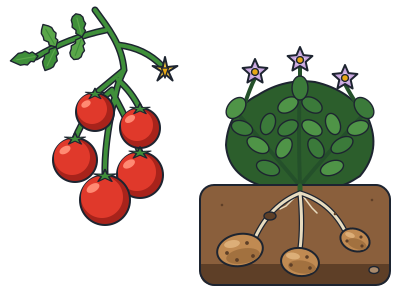
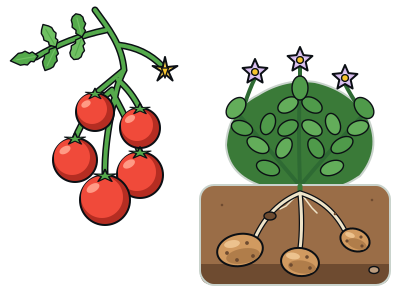
- Nightshade familyTomatoes and potatoes are close cousins in a family that also includes deadly nightshade.
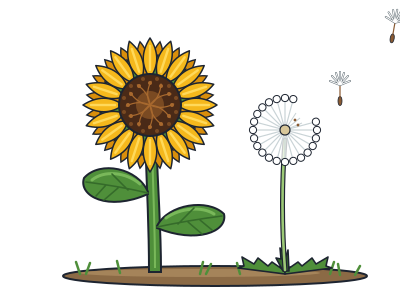
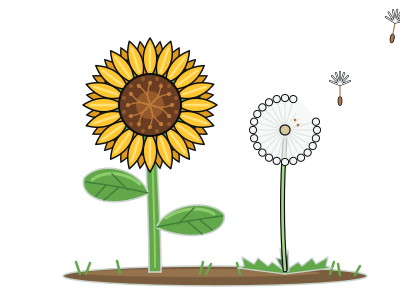
- Daisy familyOne of the two biggest flowering-plant families, with over 32,000 species from lettuce to dandelions.
- Olives, mints and kinOlives, mint, lavender, basil and lilacs are all relatives.
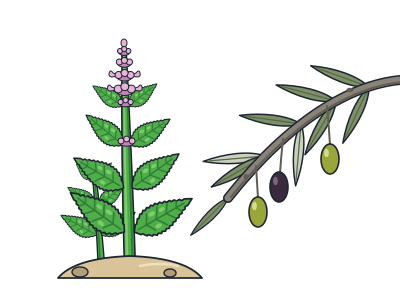
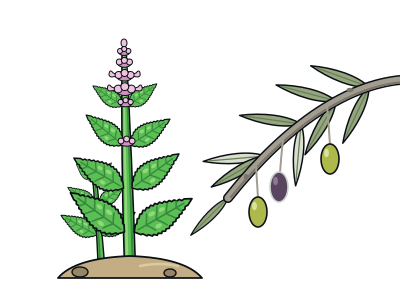
- Heathers, tea and kinTea, blueberries, kiwifruit, Brazil nuts and pitcher plants share one ancestor.
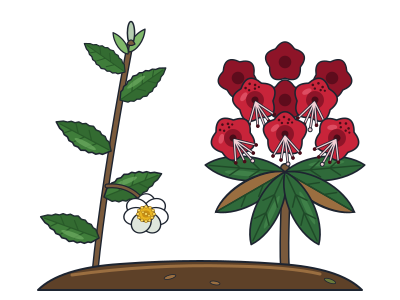
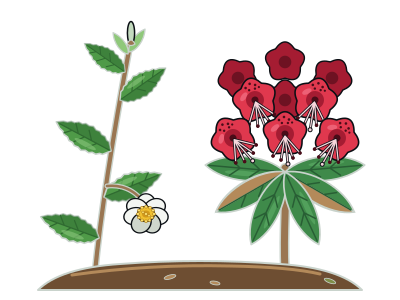
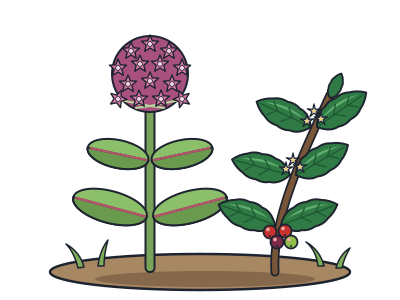
- Coffee and milkweedsCoffee, milkweed and gentians are relatives, many with powerful natural chemicals.
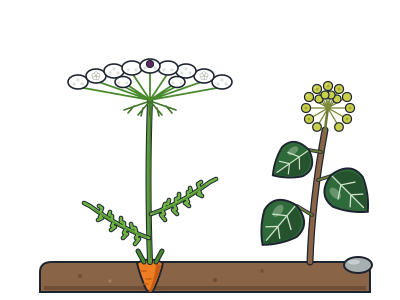
- Carrots, parsley and ivyUmbrella-shaped flower clusters link carrots and coriander to ivy.
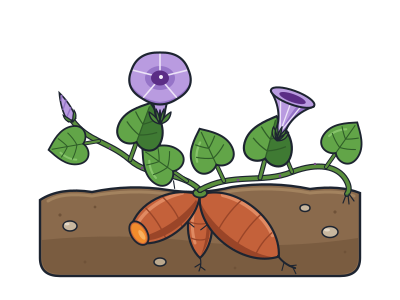
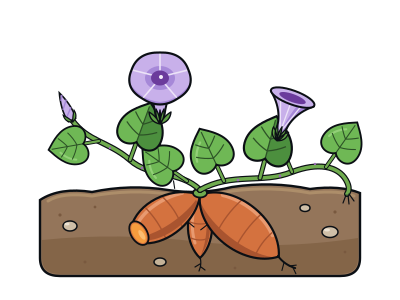
- Sweet potatoA morning glory with a sweet root, which reached Polynesia long before Europeans.