A species
English ivy
Hedera helix
A wall-climbing vine with glue-tipped roots that feeds insects in autumn
You and the english ivy meet in the Eukaryotes branch, shown at about 1.8 billion years ago (on 28 July, in a calendar from life's shared ancestor to today).
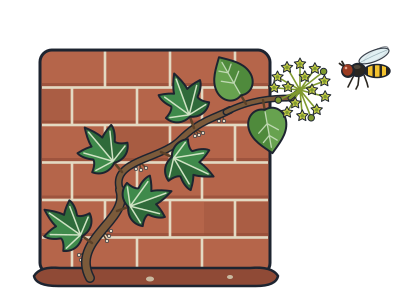
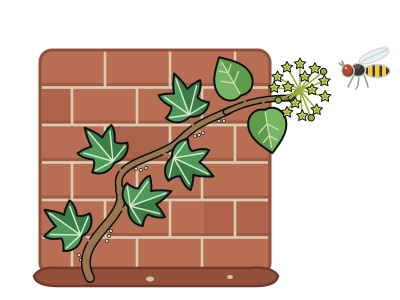
English ivy climbs walls without hooks or twining stems. Short extra roots grow from the side of its stems that faces the wall. Tiny hairs on these roots ooze a glue that sticks the stem to bark, brick or stone. On trees, cliffs or buildings it can climb about 20 to 30 metres, as high as a 7- to 10-storey building. With nothing to climb, it creeps along the ground instead.
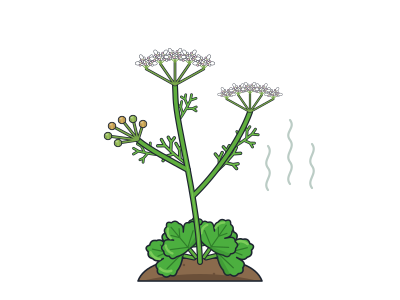
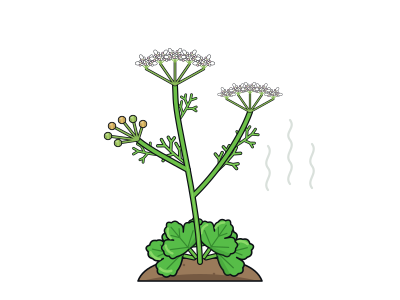
Ivy flowers in autumn, roughly September to November in Britain, when few other plants are in bloom. Only mature stems flower. Their small greenish-yellow flowers are packed into round balls that are rich in nectar. Hoverflies, other flies, honey bees and wasps crowd onto them. Researchers think ivy should probably count as a 'keystone' plant for flower-visiting insects in autumn, because so many of them depend on it.
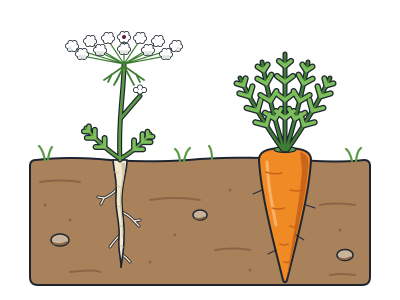
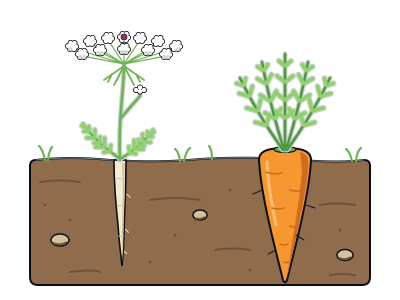
Ivy's surprising relatives are carrots and parsley. They belong to different plant families, but both families sit together in one larger group. The clue is in the flowers. Most members of this group carry umbels, and ivy's flower balls and a carrot's flat flower heads are both umbels: clusters where every flower stalk grows from the same point, like the ribs of an umbrella turned inside out.
Super-tiny glue
Ivy's glue holds round particles about 60 to 85 nanometres across, roughly a thousand times thinner than a human hair. Scientists study it for ideas on designing new kinds of glue.
Honey bees' autumn pollen
A University of Sussex study found that nearly 90% of the pollen honey bees collected in autumn came from ivy.
Winter food for birds
Ivy berries ripen late and over a long stretch of winter and early spring. They have more fat than most berries, so robins, thrushes, starlings, blackcaps and woodpigeons can feed on them when other food is hard to find.