A species
Coriander
Coriandrum sativum
The kitchen herb that tastes fresh to some people and like soap to others
You and the coriander meet in the Eukaryotes branch, shown at about 1.8 billion years ago (on 28 July, in a calendar from life's shared ancestor to today).
Some people love fresh coriander leaves. Others say they taste like soap. A large study in 2012 looked at people of European ancestry and found a small DNA difference linked to tasting soap. It sits among genes for smell detectors, near one that makes a detector for aldehydes. These are the natural chemicals that give coriander its smell.
The gene effect is small. Of people with two copies of the DNA difference, 15 in 100 disliked coriander, compared with 11 in 100 of people with none. Genes are only part of the story. Eating it again and again may help people get used to it.
About four-fifths of the oil in the leaves is aldehydes, and similar chemicals are used in soaps and lotions. So the soapy taste is natural. It does not mean anything is wrong with the herb.
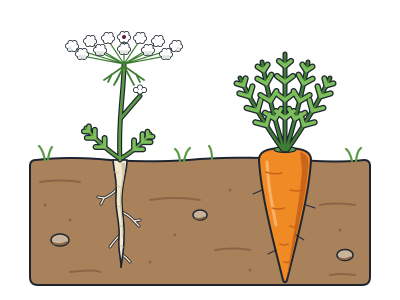
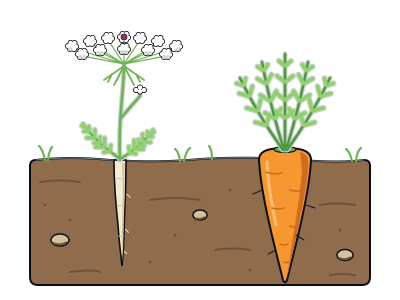
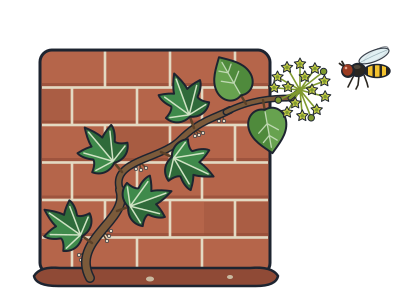
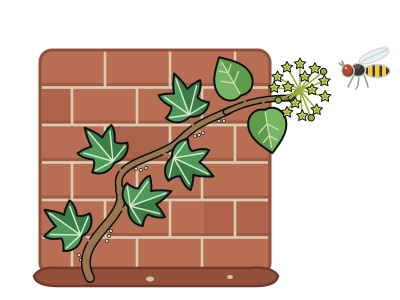
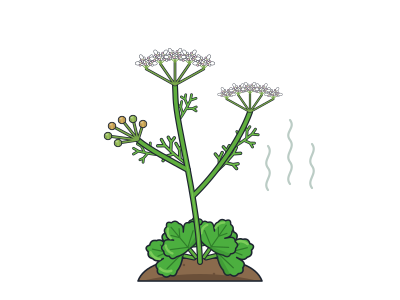
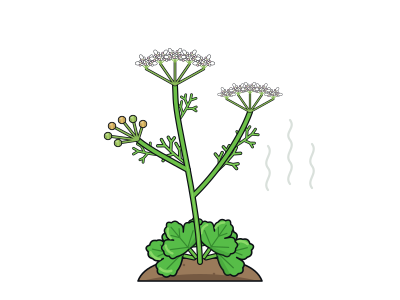
Coriander belongs to the carrot family, which has more than 3,800 species. Its relatives include carrot, parsley, celery, cumin and dill, but also deadly poison hemlock. The ivy family, which includes English ivy, is among the family's close relatives. Like most of its family, coriander carries tiny flowers in umbrella-shaped clusters. Its lower leaves are broad, but higher up they turn thin and feathery.
Fit for a pharaoh
About half a litre of coriander fruits was found in Tutankhamun's tomb, which is about 3,300 years old. Coriander does not grow wild in Egypt, so the ancient Egyptians probably farmed it.
Two names, one plant
In American English the leaves are called 'cilantro', a Spanish word, and only the seeds are called 'coriander'. In Britain and Australia, 'coriander' is used for both.
Seeds that aren't seeds
The 'seeds' cooks use are really tiny dry fruits that split into two halves when ripe. They taste lemony rather than soapy and are used in curries, garam masala, pickles, beer and gin.