A species
Tomato
Solanum lycopersicum
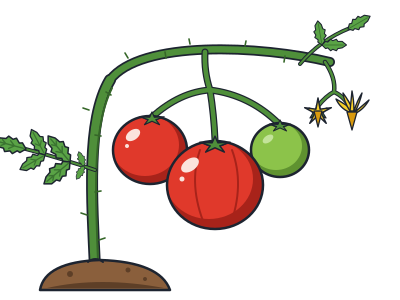
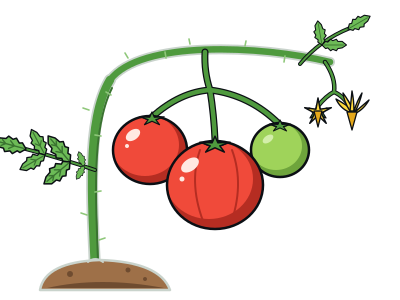
The red fruit that Europeans once feared because of its poisonous cousins.
You and the tomato meet in the Eukaryotes branch, shown at about 1.8 billion years ago (on 28 July, in a calendar from life's shared ancestor to today).
When tomatoes reached Europe in the 1500s, many people were wary of them. The problem was their family. Tomatoes belong to the nightshade family, which also includes deadly nightshade and mandrake, plants full of powerful poisons. To many people, a plant with relatives like that seemed risky to eat.
In 1597 an English herbalist, John Gerard, called tomatoes poisonous and 'of ranke and stinking savour' in a popular plant book. His view held in Britain and its North American colonies for about 200 years. In the early United States, people often grew tomatoes as pretty garden plants called 'love apples' before they ate them.
The fear was partly right. The leaves, stems and green, unripe fruit contain small amounts of natural poisons. The ripe fruit, though, is safe. Not everyone was worried. In 1544 an Italian writer, the first European known to describe tomatoes, said they could be cooked like an eggplant with salt, pepper and oil. People in Spain were eating them by the early 1600s, and a cookbook with tomato recipes came out in Naples in 1692.
The Spanish brought tomatoes over from the Americas. The tomato's wild ancestor grows in western South America. On the tree, the potato is a close cousin, and the chili pepper is a more distant relative in the same family.
A fruit to botanists, a vegetable by law
To a botanist, a tomato is a berry. But in 1893 the US Supreme Court ruled that tomatoes count as vegetables for import taxes, going by the everyday meaning of the word.
Shake it out
Tomato flowers make no nectar and keep their pollen locked inside. Bees such as bumblebees grab the flower and vibrate it very fast to shake the pollen loose. This is called buzz pollination.
An Aztec name
The word 'tomato' comes from the Spanish 'tomate'. That word comes from 'tomatl' in Nahuatl, the language of the Aztecs.
Next to it on the tree
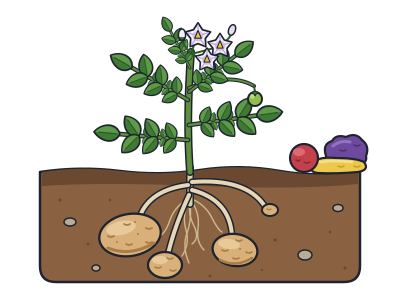
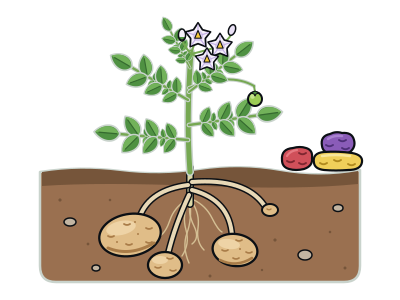
- PotatoThousands of varieties from the Andes; the swollen underground stems fed Europe's population boom.
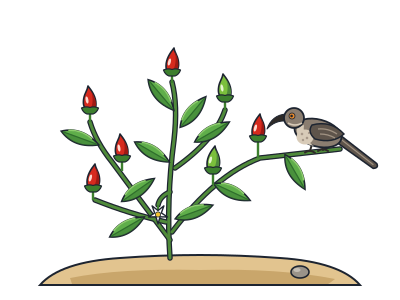
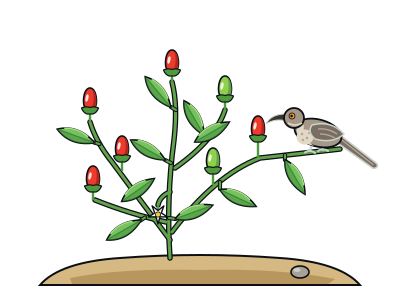
- Chili pepperIts heat stops mammals eating the seeds, but birds cannot feel it and spread them.
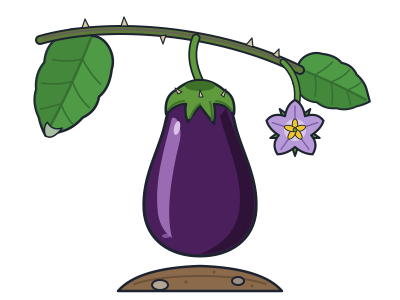
- AubergineA purple berry and close cousin of the tomato and potato.
- PetuniaA favourite bedding flower that is a tobacco relative from South America.