A species
Madagascar periwinkle
Catharanthus roseus
A pink garden flower that gave medicines used against childhood leukaemia.
You and the madagascar periwinkle meet in the Eukaryotes branch, shown at about 1.8 billion years ago (on 28 July, in a calendar from life's shared ancestor to today).
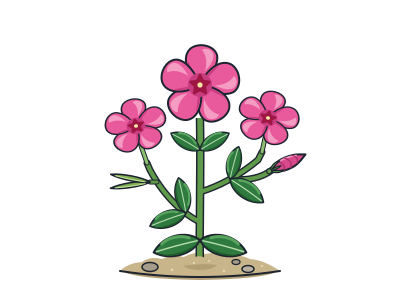
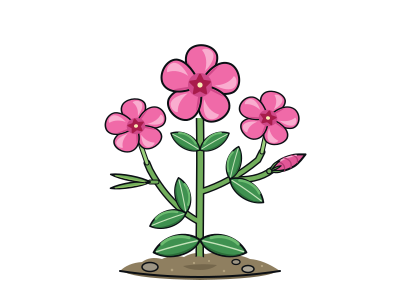
This cheerful pink flower sits in garden centres everywhere, but it also gave the world two important cancer medicines. One of them, vincristine, is a key drug in the mix of treatments for the most common kind of childhood leukaemia. Children with this cancer once rarely survived. Today, in countries with good medical care, about nine in ten do.
The discovery was an accident. Traditional healers used the plant to treat diabetes, so in the 1950s scientists tested it. It did little to blood sugar, but it showed promise against cancer. A team in Canada and a team at a US drug company found this at about the same time. The two medicines, vinblastine and vincristine, stop fast-growing cells from splitting in two. That makes them useful against cancers, including leukaemia, where white blood cells grow out of control.
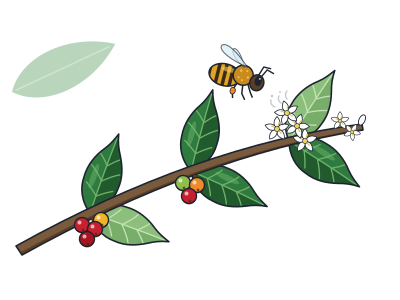
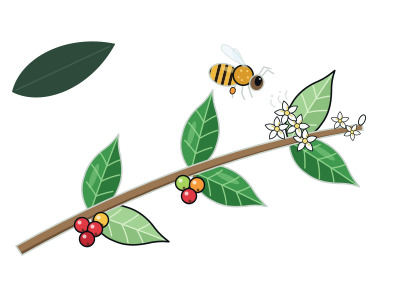
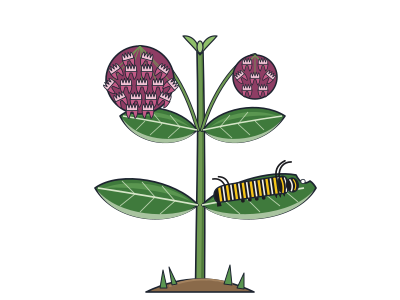
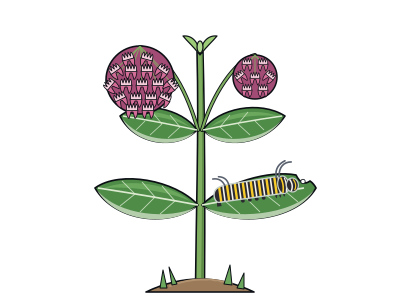
Of its neighbours on this tree, the milkweeds are its closest relatives. Both belong to the dogbane family, where many plants grow paired, pod-like fruits. Coffee is a more distant cousin in the same larger group, which is known for powerful plant chemicals.
It is native only to Madagascar, but people have carried it right around the tropics, and it now grows wild in many warm places. Be careful, though: every part of the plant is poisonous if eaten, to people and to pets.
A mountain of leaves
The medicines are found in the plant only in tiny amounts. Making just 1 gram of vinblastine can take about 500 kilograms or more of dried leaves.
Yeast to the rescue
In 2022 scientists changed baker's yeast so it could make the two building blocks of vinblastine. They then joined the two pieces together with chemistry.
An essential medicine
Vinblastine is on the World Health Organization's list of essential medicines. These are medicines that every working health system should always have available.