A species
Common milkweed
Asclepias syriaca
The milky-sapped wildflower that feeds monarch butterflies.
You and the common milkweed meet in the Eukaryotes branch, shown at about 1.8 billion years ago (on 28 July, in a calendar from life's shared ancestor to today).
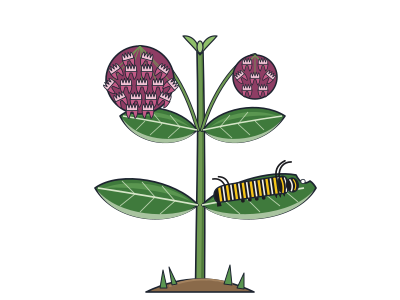
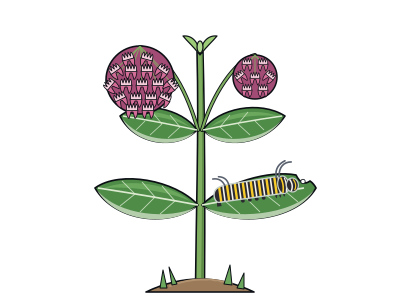
Monarch butterfly caterpillars eat milkweeds and nothing else. As they munch, they store the plant's heart-affecting poisons in their own bodies. Because of this, both the caterpillars and the grown-up butterflies can be poisonous. A bird such as a blue jay that eats one may get sick and throw up, and birds learn to leave the bright orange-and-black monarchs alone. In the north-east and Midwest of the United States, common milkweed is one of the monarch's most important foods. How much poison it holds varies a lot from plant to plant, though.
The plant gets its name from the white, milky sap that oozes from any part you cut. The sap is sticky enough to glue up a small caterpillar's mouth. To get around this, young monarch caterpillars chew a circle-shaped trench in a leaf, which stops the sap flowing to that spot. Older caterpillars often cut through a leaf's main vein or its stalk instead. A recent study found that they then drink the sap that oozes out, which may help them collect even more poison.
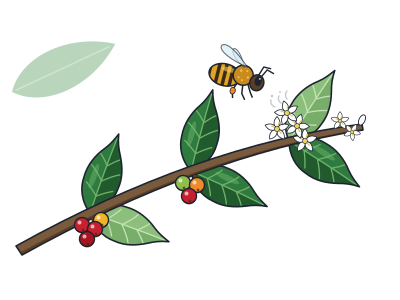
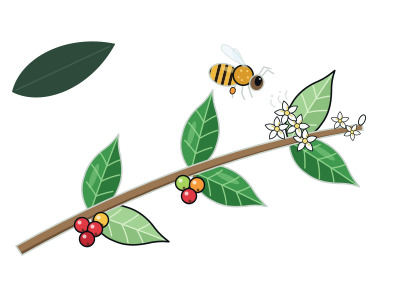
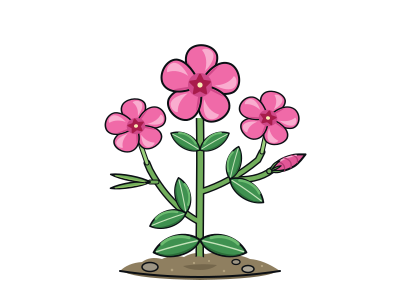
Milkweed has some surprising relatives. It belongs to the same family as the Madagascar periwinkle. It also sits in the same bigger group as the coffee plant, a group of more than 20,000 kinds of plants. Many of them have leaves in pairs and flowers with five parts.
Common milkweed grows in sunny fields and along roadsides in eastern North America. It often grows to somewhere between waist and shoulder height on an adult.
A naming mix-up
The botanist Linnaeus wrongly thought this plant came from Syria, so he named it after that country. It is really native to southern Canada and the eastern and central United States. The first part of its scientific name honours Asklepios, the Greek god of medicine.
Seeds that fly
Each pod is about 10 cm long and holds a couple of hundred seeds. Every seed has a tuft of silky white hairs that carries it away on the wind.
Wartime stuffing
During the Second World War, schoolchildren in the United States collected milkweed pods. The fluffy seed hairs were used to fill life jackets when the usual stuffing ran short.