A species
Greater bladderwort
Utricularia vulgaris
A pond plant with tiny underwater traps that suck in prey in under a thousandth of a second.
You and the greater bladderwort meet in the Eukaryotes branch, shown at about 1.8 billion years ago (on 28 July, in a calendar from life's shared ancestor to today).
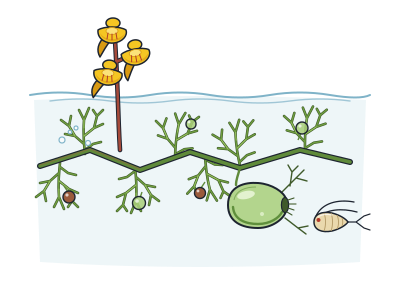
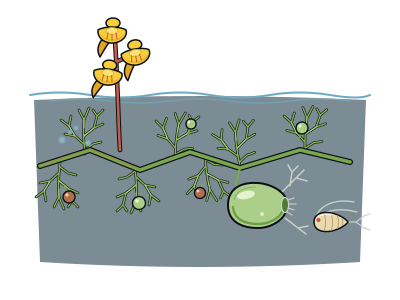
Under the surface of a quiet pond, greater bladderwort sets many tiny traps. Each one is a see-through bladder a few millimetres across, about the size of a grain of rice or smaller. When a tiny water animal brushes its trigger hairs, a trapdoor flips open and the bladder sucks the animal inside. The suction takes less than a thousandth of a second. That makes it one of the fastest movements known in any plant.
How does it work? Glands pump water out of the bladder, so its walls bend inwards like a squeezed rubber bulb. A watertight door keeps it sealed. When the door opens, the walls spring back and water rushes in, pulling the prey with it at up to about 600 times the pull of gravity. Its prey are tiny creatures such as water fleas, copepods and mosquito larvae.
Even so, it is a green plant that makes its own food from sunlight. The prey mainly add nutrients, such as phosphorus, that are scarce in clear water. It has no roots and floats just under the surface. In summer, bright yellow flowers shaped like snapdragons can rise on reddish stalks up to about 20 cm above the water. Those flowers are a clue to its relatives. It belongs to the same big group of plants as olives, mint, lilac and foxglove.
Named after a little flask
Its genus name, Utricularia, comes from the Latin word utriculus, meaning a wine flask, leather bottle or bagpipe. It refers to the shape of the bladders.
Sleeping through winter
In autumn it makes tight leafy winter buds that sink and sprout again in spring. This lets it spread without ever flowering.
A naturalist who helped Darwin
The American naturalist Mary Treat watched the traps of a related American bladderwort catch and slowly break down tiny animals. Charles Darwin used her observations in his 1875 book about carnivorous plants. She wrote that she never saw a tiny animal escape once it was inside.
Next to it on the tree
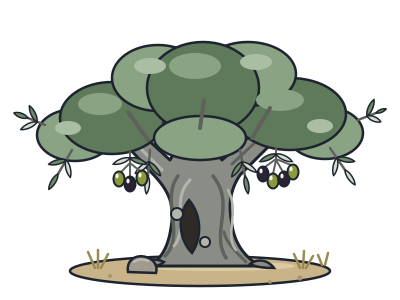
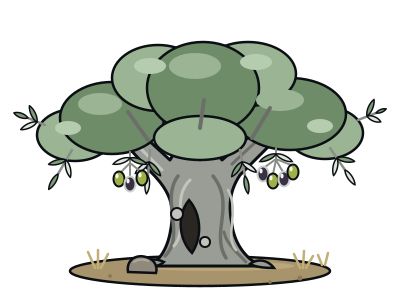
- OliveSome olive trees in the Mediterranean are thought to be over 2,000 years old.
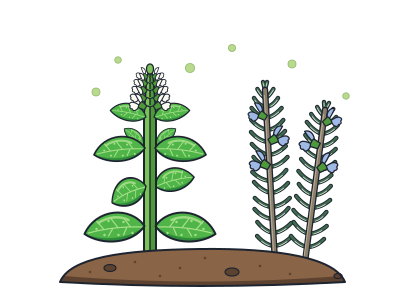
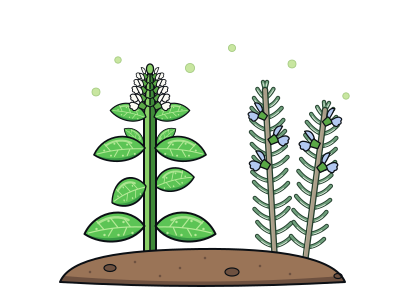
- Mint familySquare stems and fragrant oils link mint, basil, rosemary and lavender.
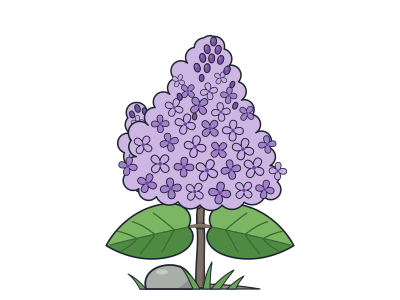
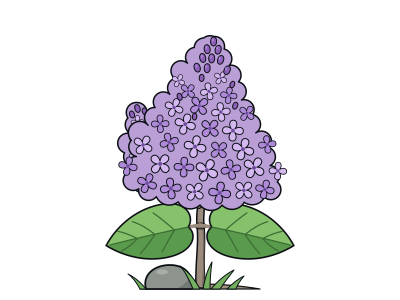
- LilacFragrant spring flowers from a shrub in the olive family.
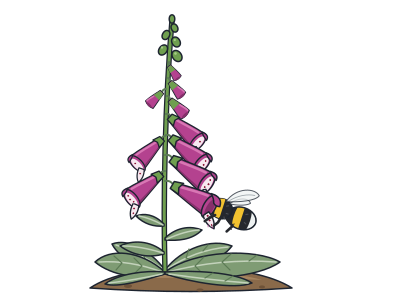
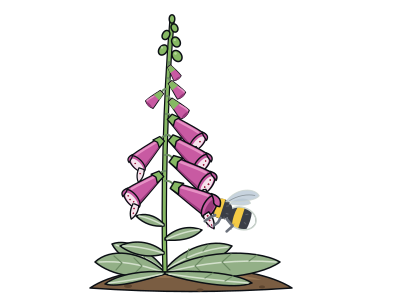
- FoxgloveTall spires of bell flowers that bumblebees crawl into; a source of a heart medicine.