A species
Lilac
Syringa vulgaris
A sweet-smelling spring shrub that's a relative of the olive tree
You and the lilac meet in the Eukaryotes branch, shown at about 1.8 billion years ago (on 28 July, in a calendar from life's shared ancestor to today).
Those sweet-smelling clusters of spring flowers grow on a shrub from the olive family. That makes lilac a relative of the olive tree, and of ash trees and forsythia too. Within the family, its closest relatives are the privets. Despite the name, lilacs are not related to lilies.
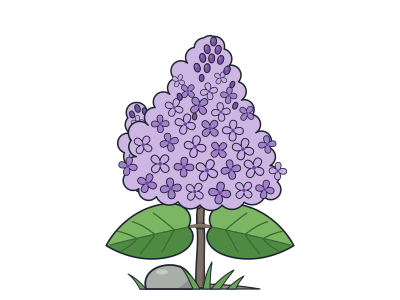
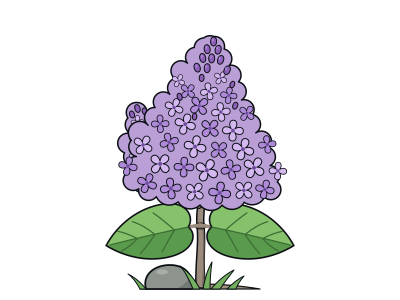
In spring, cone-shaped clusters about the length of your hand stand up at the branch tips. Each tiny flower is a narrow tube that opens into four spreading lobes, like a little four-pointed star. The classic colour is pale purple, the shade we call lilac, but some flowers are white. The oval to heart-shaped leaves grow in pairs, opposite each other on the stem.
Wild lilac grows on rocky hills in the Balkans, in south-eastern Europe. It reached gardens in northern Europe around 1562 from Ottoman (Turkish) sources, and English gardens by the 1590s. Once it is settled, a lilac can live for centuries. Lilacs often still grow at abandoned homesites long after the houses have gone.
A name from a pipe
The scientific name comes from the Ancient Greek word 'syrinx', meaning pipe or tube, because its young stems have a soft pith that could be pushed out to make pipes.
One gardener, 150 kinds
Between 1876 and 1927, the French nurseryman Victor Lemoine introduced more than 150 named lilac varieties. Today garden lilacs range from white to deep red-purple, and some have double flowers.
A state flower
Common purple lilac is the state flower of New Hampshire in the USA. It was chosen to stand for the 'hardy character' of the people who live there.
Next to it on the tree
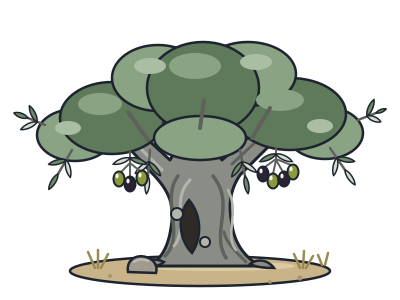
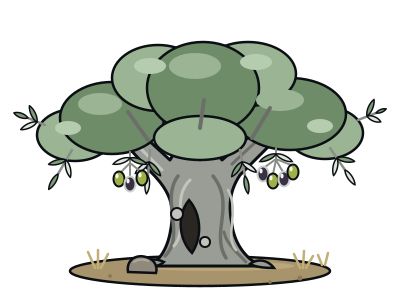
- OliveSome olive trees in the Mediterranean are thought to be over 2,000 years old.
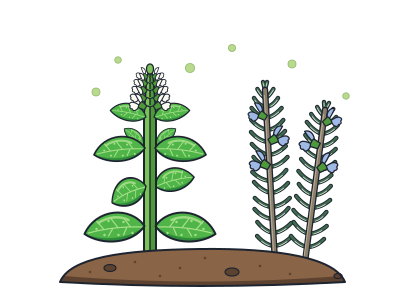
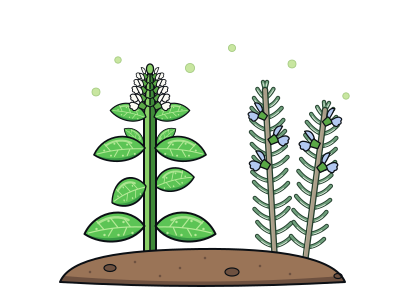
- Mint familySquare stems and fragrant oils link mint, basil, rosemary and lavender.
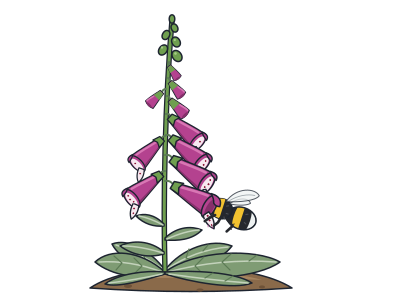
- FoxgloveTall spires of bell flowers that bumblebees crawl into; a source of a heart medicine.
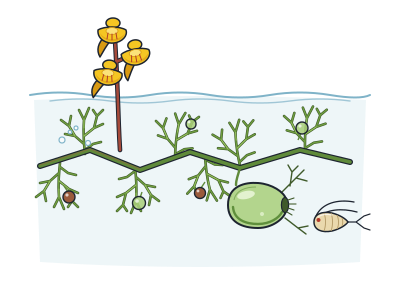
- Greater bladderwortUnderwater bladders that snap shut on tiny animals in under a millisecond.