A species
Haleakalā silversword
Argyroxiphium sandwicense
A silver ball of leaves on a Hawaiian volcano that flowers once, then dies.
You and the haleakalā silversword meet in the Eukaryotes branch, shown at about 1.8 billion years ago (on 28 July, in a calendar from life's shared ancestor to today).
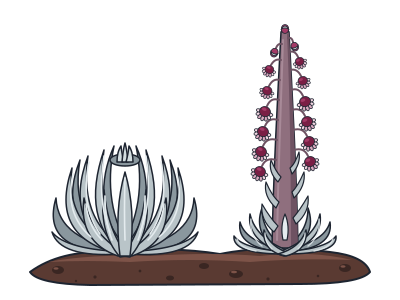
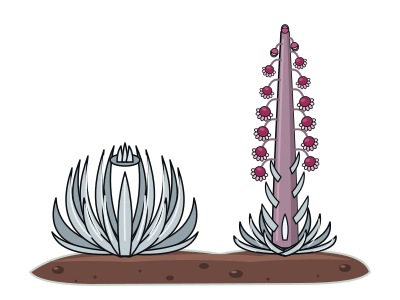
High on the cinder slopes of Haleakalā volcano, on the Hawaiian island of Maui, sits a round ball of silver, sword-shaped leaves. It may grow for just a few years or for many decades. Then it flowers once, sends up one giant stalk, and dies after its seeds ripen.
It looks a bit like a cactus or an agave, but it is neither. It belongs to the daisy family, so its relatives include sunflowers, lettuce and dandelions. Its ancestor was a sunflower relative whose seed reached Hawaiʻi on the wind or with birds. That one arrival led to a whole group of Hawaiian plants, from trees and shrubs to vines.
The leaves are covered in thick, silky hairs that give them their silver shine. The hairs help the plant cope with the strong sunlight high on the mountain. This silversword grows nowhere else in the world, mostly above about 2,100 metres.
When it blooms, the stalk can reach about 1.8 metres, taller than most adults. It carries up to about 600 purplish flower heads that look like small sunflowers. In the early 1900s, goats, cattle and visitors taking souvenirs nearly wiped it out. Protection helped the plants come back, but warmer, drier weather is now killing many of them.
A Hawaiian name
In Hawaiian it is called ʻāhinahina, and its flowering stalk has a sweet scent.
It needs insects
A silversword cannot pollinate itself. It relies on insects such as native bees, moths and flies to make seeds. Invasive Argentine ants threaten these helpful insects.
Fenced for safety
In the 1980s, Haleakalā became one of the first national parks in the United States to be fenced against goats and other introduced animals, mainly to protect silverswords.
Next to it on the tree
- SunflowerEach 'flower' is really hundreds of tiny flowers arranged in a perfect spiral.
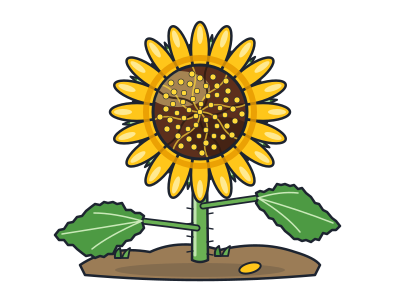
- DandelionEach seed flies on its own parachute, and plants clone seeds without pollination.
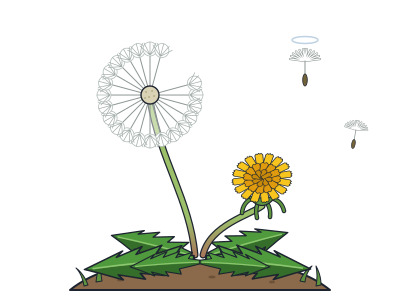
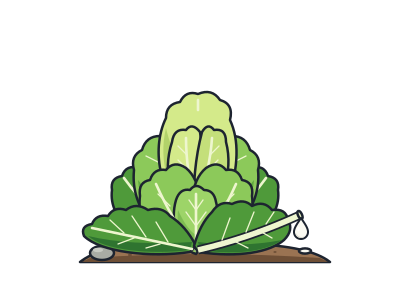
- LettuceA salad leaf bred from a bitter wild plant that oozes milky sap.
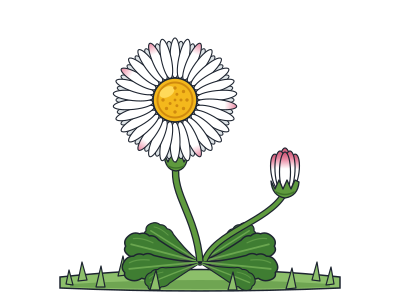
- Common daisyIts name comes from 'day's eye', because it opens at dawn and closes at dusk.
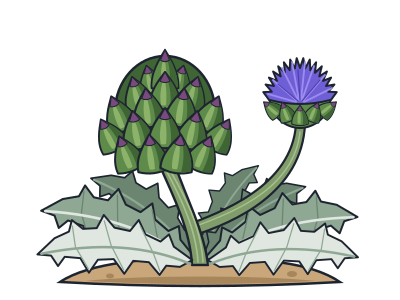
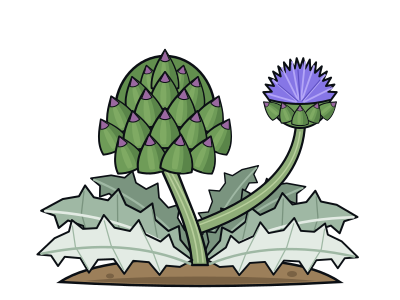
- Globe artichokeWe eat the flower bud of a giant thistle before it blooms.
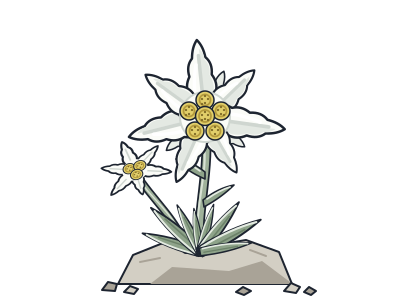
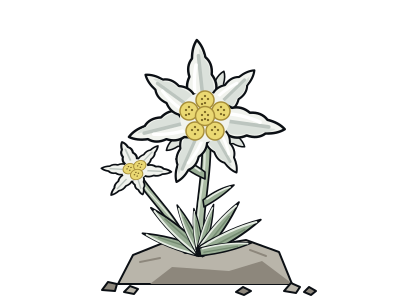
- EdelweissA woolly white alpine flower, a symbol of the Alps.