A species
Common daisy
Bellis perennis
The lawn flower named the 'day's eye', which opens at dawn and closes at dusk
You and the common daisy meet in the Eukaryotes branch, shown at about 1.8 billion years ago (on 28 July, in a calendar from life's shared ancestor to today).
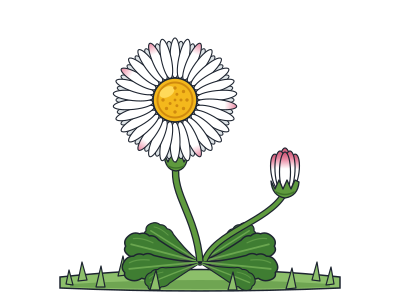
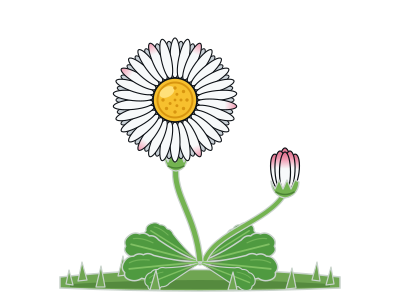
The word 'daisy' comes from an Old English name meaning 'day's eye'. The flower head opens in the morning and closes in the evening. At dusk the white 'petals' fold up over the yellow centre, so the head looks like a small closed bud, often with pinkish tips.
That 'flower' is really a crowd. Each white 'petal' is a whole tiny flower of its own, and the yellow centre is made of many more. One head holds over 100 tiny flowers. Packing lots of tiny flowers into one head is the hallmark of the daisy family, one of the largest families of flowering plants. Its relatives in that family include the sunflower, the dandelion and even lettuce.
The common daisy is small. Each head is about 2 to 3 centimetres across, roughly the size of a coin. It sits alone on a bare stalk up to about 20 centimetres tall. The spoon-shaped leaves lie flat on the ground in a rosette, so a lawnmower passes right over them. That is one reason daisies are so hard to clear from lawns.
It is native to Europe, northern Africa and western Asia. It now grows in cool, damp lawns and parks in many temperate parts of the world, including North America, New Zealand and south-eastern Australia.
No parachutes
Daisy seeds are only about 1 to 1.6 millimetres long. Unlike dandelion seeds, they have no fluffy parachute to carry them on the wind.
A salad flower
Young daisy leaves can be eaten raw in salads, and people have added the buds and petals to sandwiches and soups.
Food and fun
Daisies feed pollinating insects, and for a very long time people have threaded them into daisy chains to wear as necklaces and bracelets.
Next to it on the tree
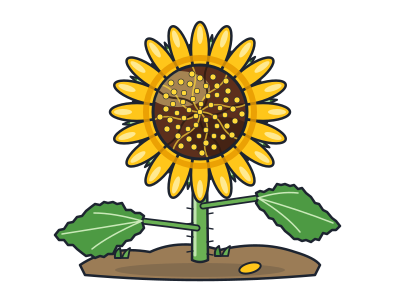
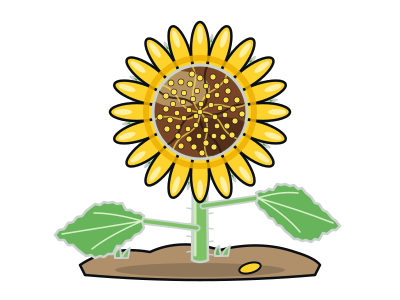
- SunflowerEach 'flower' is really hundreds of tiny flowers arranged in a perfect spiral.
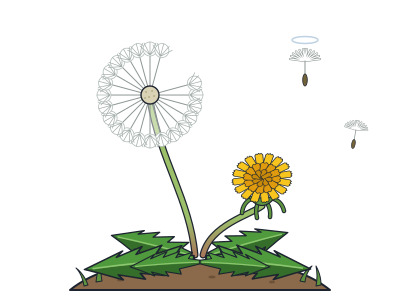
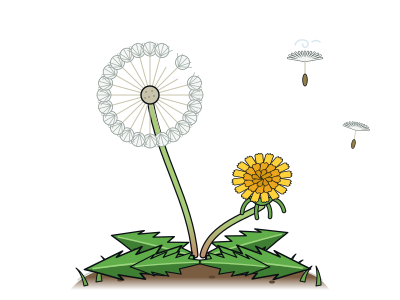
- DandelionEach seed flies on its own parachute, and plants clone seeds without pollination.
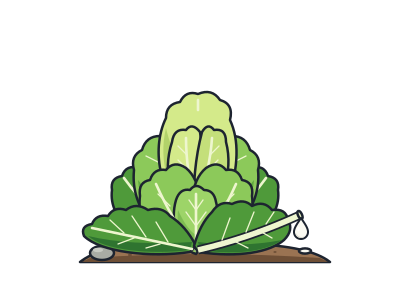
- LettuceA salad leaf bred from a bitter wild plant that oozes milky sap.
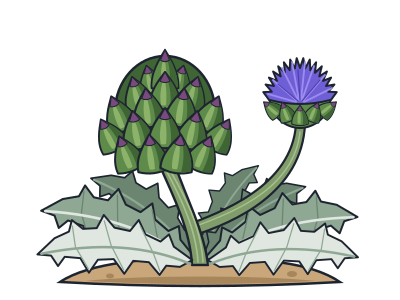
- Globe artichokeWe eat the flower bud of a giant thistle before it blooms.
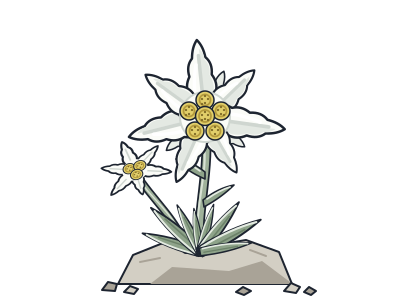
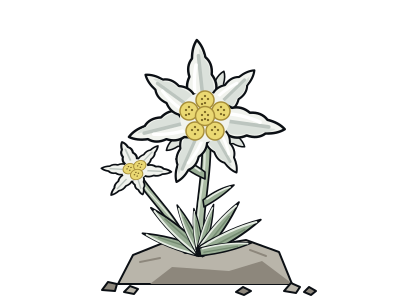
- EdelweissA woolly white alpine flower, a symbol of the Alps.
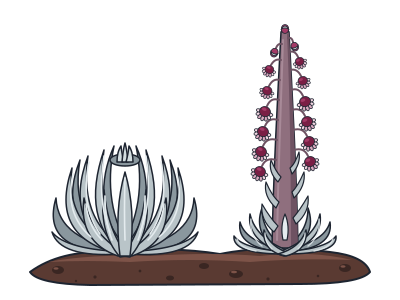
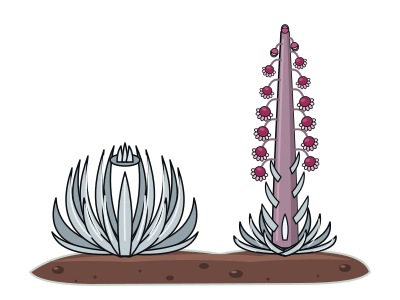
- Haleakalā silverswordA silver ball of leaves on a Hawaiian volcano that flowers once and dies.