A species
Globe artichoke
Cynara cardunculus
The flower bud of a giant thistle, picked before it blooms
You and the globe artichoke meet in the Eukaryotes branch, shown at about 1.8 billion years ago (on 28 July, in a calendar from life's shared ancestor to today).
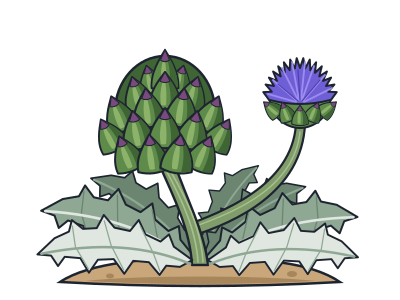
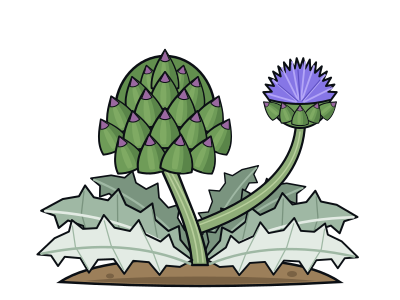
When you eat an artichoke, you are eating the flower bud of a giant thistle. It is picked before it opens. We eat the soft bases of its overlapping scales and the fleshy heart underneath. The hairy middle that gets thrown away is called the choke. It is a mass of tiny flowers that would have become the bloom.
If nobody picks the bud, it opens into a big, bright blue-violet thistle flower that looks like a giant shaving brush. Gardeners grow it for decoration, but by then it is no longer good to eat.
The artichoke belongs to the daisy family, along with sunflowers, lettuce, dandelions and daisies. In this family, what looks like one flower is really a head of many tiny flowers packed together and wrapped in protective scales. On an artichoke, those scales are the 'leaves' we pull off and dip.
Its wild form is the wild cardoon, a spiny thistle from the dry lands around the Mediterranean. The artichoke, the wild cardoon and the cultivated cardoon are all the same species. People bred the artichoke for big buds and the cultivated cardoon for its leaf stalks. The plant lives for several years. In a garden it often grows about 1 to 1.2 metres tall and can spread up to about 1.8 metres across.
Cheese from flowers
Cardoon flowers can curdle milk. They are used instead of animal rennet to make some traditional Portuguese and Spanish cheeses.
A busy plant
A grown artichoke plant can send up 10 or more stems in a season, and each stem can carry four or five buds.
Top grower
In 2024 the world grew about 1.7 million tonnes of artichokes. Egypt grew the most, followed by Italy.
Next to it on the tree
- SunflowerEach 'flower' is really hundreds of tiny flowers arranged in a perfect spiral.
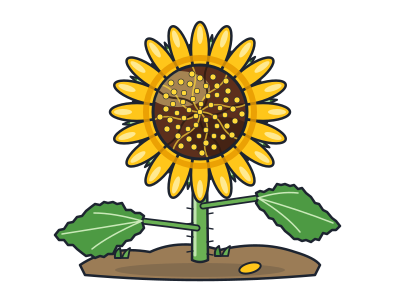
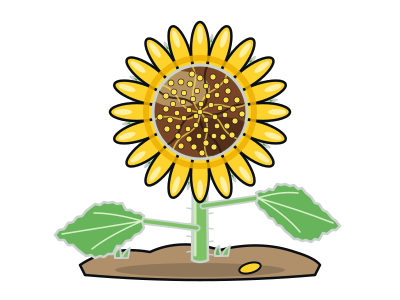
- DandelionEach seed flies on its own parachute, and plants clone seeds without pollination.
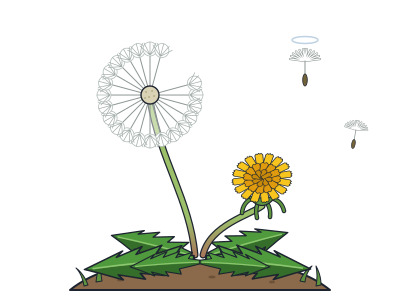
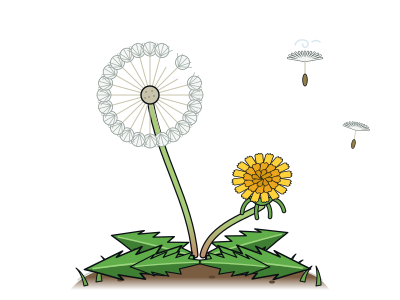
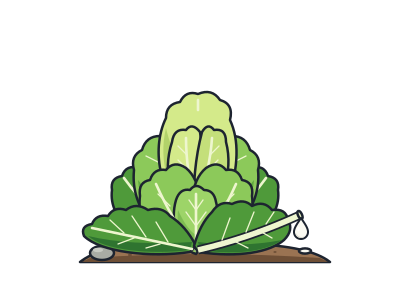
- LettuceA salad leaf bred from a bitter wild plant that oozes milky sap.
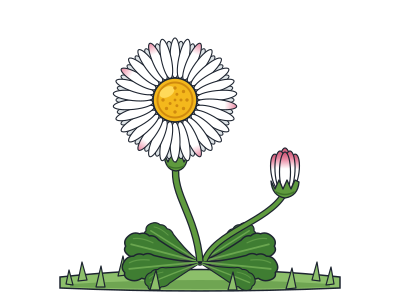
- Common daisyIts name comes from 'day's eye', because it opens at dawn and closes at dusk.
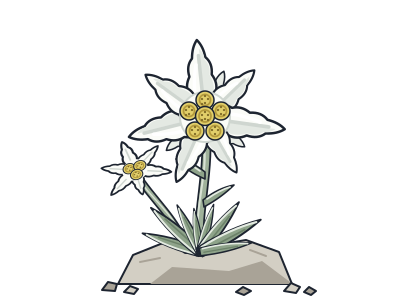
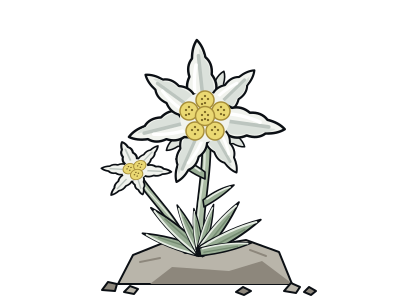
- EdelweissA woolly white alpine flower, a symbol of the Alps.
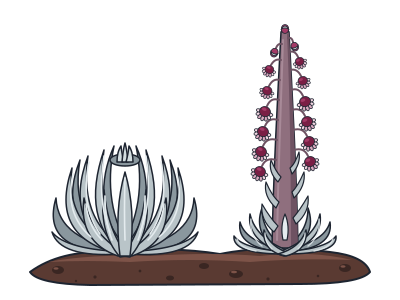
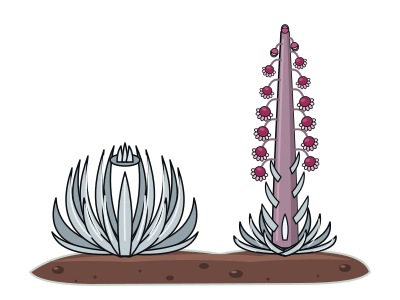
- Haleakalā silverswordA silver ball of leaves on a Hawaiian volcano that flowers once and dies.