A species
Dandelion
Taraxacum officinale
A tiny parachutist that can make seeds without pollination
You and the dandelion meet in the Eukaryotes branch, shown at about 1.8 billion years ago (on 28 July, in a calendar from life's shared ancestor to today).
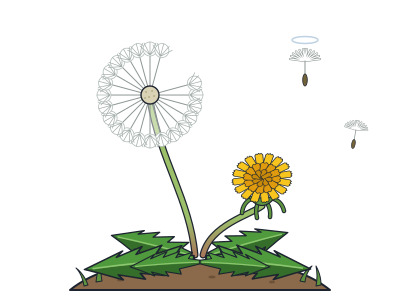
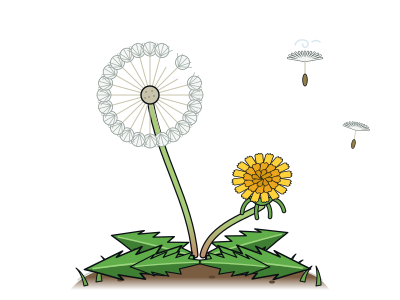
Every dandelion seed flies on its own parachute, a crown of fine white bristles. As air slips through the gaps between the bristles, it forms a ring-shaped swirl of air. The swirl floats just above the seed without touching it, and it slows the seed's fall. Scientists first saw this kind of air ring in nature in 2018. Most seeds land close to home, but a very few are carried by the wind for a kilometre or more.
Here is the second surprise. Many dandelions make seeds without being pollinated. Each seedling is a clone, a genetic copy of its mother plant. Scientists have found one of the genes behind this trick. It lets the plant's egg cell start growing into a baby plant on its own, with no pollen needed.
What looks like one yellow flower is really a head of about 100 to 300 tiny flowers. Each one can make a seed, so a single head can send up a whole cloud of parachutes. The dandelion belongs to the daisy family, along with sunflowers, common daisies and lettuce. When scientists put the dandelion's cloning gene into lettuce, some lettuce egg cells began to divide without fertilisation, like the very first step of a baby plant. One day this work could help farmers grow crops that make cloned seed.
A lion's tooth
The name 'dandelion' comes from the French 'dent de lion', meaning 'lion's tooth'. It refers to the plant's jagged, toothed leaves.
Sun-loving flowers
Dandelion flower heads usually open in sunshine or warm weather and close up again at night.
Rubber from a dandelion
A relative called the Russian dandelion has rubbery, milky sap. People used it to make rubber during World War II, and scientists are still studying it as a source of rubber.
Next to it on the tree
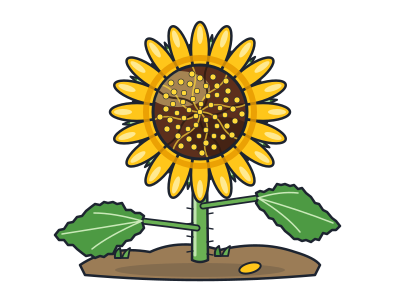
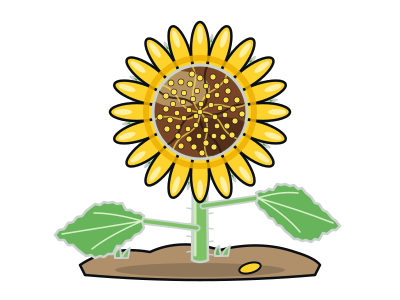
- SunflowerEach 'flower' is really hundreds of tiny flowers arranged in a perfect spiral.
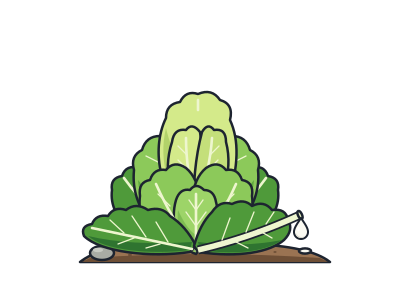
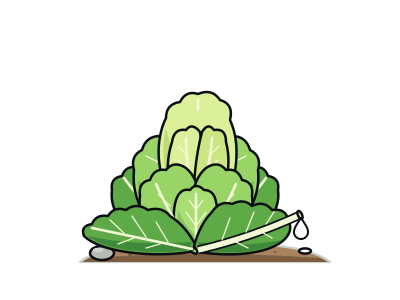
- LettuceA salad leaf bred from a bitter wild plant that oozes milky sap.
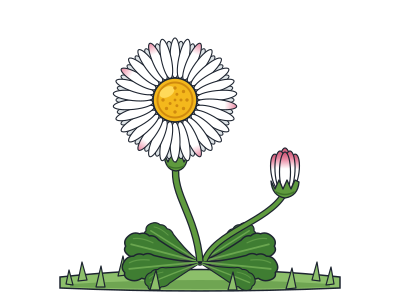
- Common daisyIts name comes from 'day's eye', because it opens at dawn and closes at dusk.
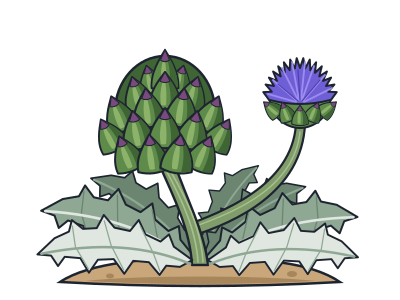
- Globe artichokeWe eat the flower bud of a giant thistle before it blooms.
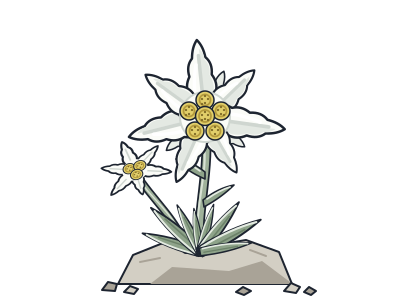
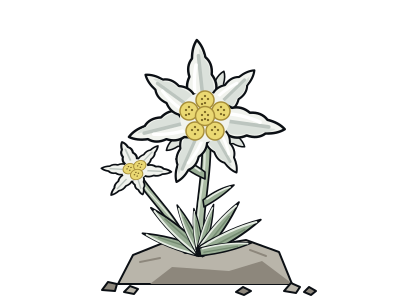
- EdelweissA woolly white alpine flower, a symbol of the Alps.
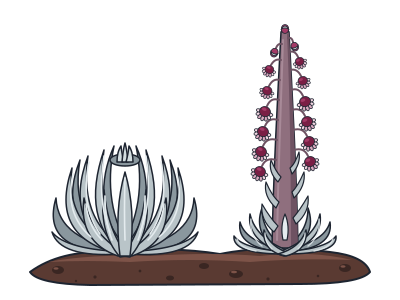
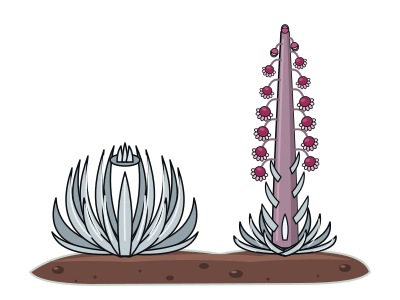
- Haleakalā silverswordA silver ball of leaves on a Hawaiian volcano that flowers once and dies.